
The Meaning of Nero’s Final Performance
Quo VadisThis thematic flow traces how Nero turns both triumph and collapse into theatre, while the novel exposes the moral emptiness of that self-image.
increasing Bearing strength in each event
 decreasing
Bearing strength in each eventdecreasingThe Emperor Performs
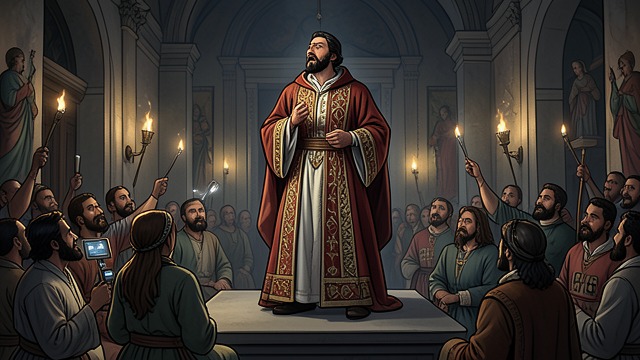
The Emperor Performs
A ruler seeks an audience
Nero sings, declaims, and demands applause from people whose safety depends on pleasing him.
Power and performance merge
He treats the court as both government and audience, confusing admiration with consent.
The Poet at the Fire
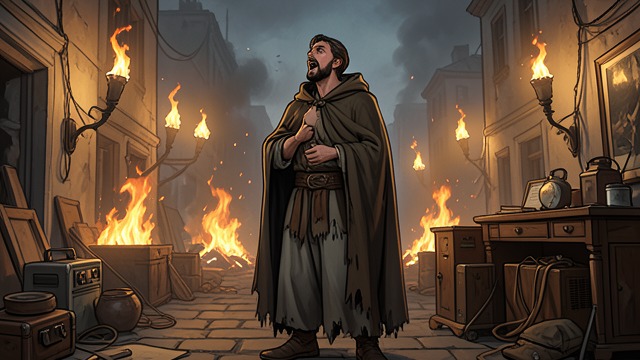
The Poet at the Fire
Disaster becomes a stage
Nero sings about Troy while Rome burns, seeing himself as the central figure in a historical tragedy.
Reality exposes vanity
The city’s suffering reveals how his artistic self-image excludes responsibility for other people.
A Performance of Mercy

A Performance of Mercy
The ruler faces the crowd
Nero gives the sign of mercy only after the audience and prominent observers demand it.
Magnanimity masks constraint
He can present the decision as generosity, though the crowd has forced his hand.
The Last Artistic Pose
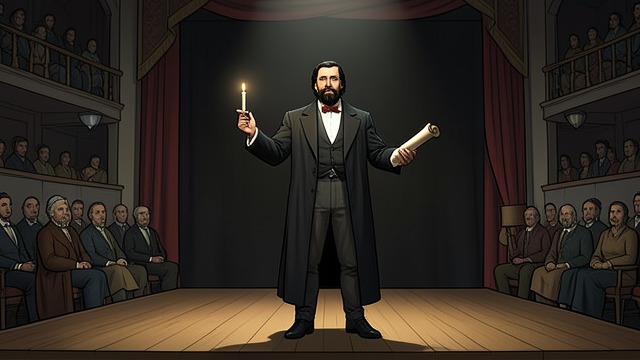
The Last Artistic Pose
The role persists in crisis
Nero quotes poetry and treats his loss of power as a great tragic scene.
Self-dramatization replaces judgment
He remains unable to acknowledge the consequences of his rule except as material for performance.
An Artist Perishes
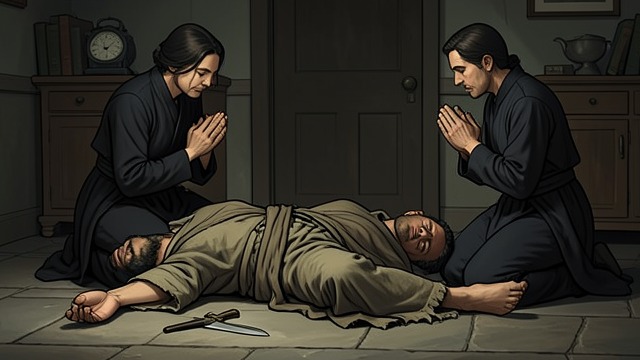
An Artist Perishes
A final claim to fame
Nero laments that an artist is dying as he takes his own life.
The narrative’s judgment
His self-description contrasts with the compassion and courage of those who suffer without making themselves the center of the spectacle.
At the palace feasts
During the Great Fire of Rome
When Nero spares Ursus and Lygia
During Nero’s flight from Rome
At Nero’s death
