
The Phoenix Property Opportunity
Rich Dad Poor DadThis subplot follows a friend’s missed opportunity in Phoenix to show how doubt can defeat an investment even when its potential later becomes visible.
increasing Bearing strength in each event
 decreasing
Bearing strength in each eventdecreasingA Depressed Market
Opportunity in Decline
A Possible Bargain
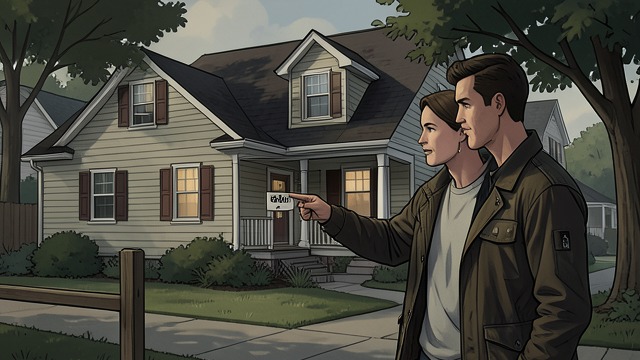
Robert and his wife show their visiting friend Richard properties in a depressed Phoenix market. They identify a two-bedroom townhome priced below comparable units.
Different Readings
Robert sees potential cash flow and appreciation, while the low price makes Richard uneasy. The deal becomes a test of whether he will analyze the opportunity or rely on instinctive caution.
The Townhome Offer

A Concrete Entry Point
The Numbers
The townhome costs $42,000, while similar units are selling for around $65,000. A relatively small down payment could give Richard a start in property ownership.
Decision Approaches
The example shows how a specific opportunity can appear before certainty exists. Robert’s enthusiasm rests on the terms and possible rental income, not on a guarantee of future prices.
The Neighbor’s Warning

Doubt Enters
An Unqualified Opinion
Richard backs out after speaking with a neighbor who is not an investor and believes the property costs too much. His decision shifts from the deal’s figures to another person’s confidence.
The Lost Opening
Robert questions why Richard grants the neighbor’s view more weight than his own investigation. The anecdote frames buyer’s remorse as a force capable of closing off a considered opportunity.
The Market Turns
Changing Conditions
Rental Demand
The same townhome later rents for about $1,000 a month, with higher seasonal rates. Its value has risen substantially from the original offer.
A Counterfactual Made Clear
The later figures do not prove that every rejected deal would succeed. They show what Richard’s particular decision cost him in potential income and experience.
A Lesson in Analysis
Doubt’s Price
The Case Revisited
Richard still has taken no comparable step, while the Phoenix market now offers fewer easy bargains. The story turns one missed purchase into an illustration of how delay can become habitual.
Criticism Versus Examination
The book contrasts untested warnings with careful analysis. Its emphasis is not reckless confidence, but learning enough to judge an opportunity on evidence rather than rumor.
1992, during the Phoenix visit
Later that afternoon in 1992
About two weeks after the purchase
By 1994
After the property’s later appreciation
