Ronia and Birk plan to mine Noddle-Pete’s silver mine
Ronja, the Robber's DaughterRonia and Birk plan to mine Noddle-Pete’s silver mine as a possible livelihood that does not depend on robbery. The prospect links a secret from Noddle-Pete’s youth to the children’s chosen future: they may seek the silver together, but for now they intend to return to Bear’s Cave and manage without it.
A Future Beyond Robbery
The mining plan grows out of a settled refusal, not a desire for treasure at any cost. Noddle-Pete tells Ronia that it soothes his old heart that neither she nor Birk wants to become a robber. He acknowledges that robbery once could be practiced with pleasure, but says it has become tougher and can lead to hanging. Ronia gives her own reason: she could not bear to hear people scream and sob when their belongings were taken. Their objections are related but distinct—Noddle-Pete speaks from age and the dangers of the trade, while Ronia centers the suffering of its victims.
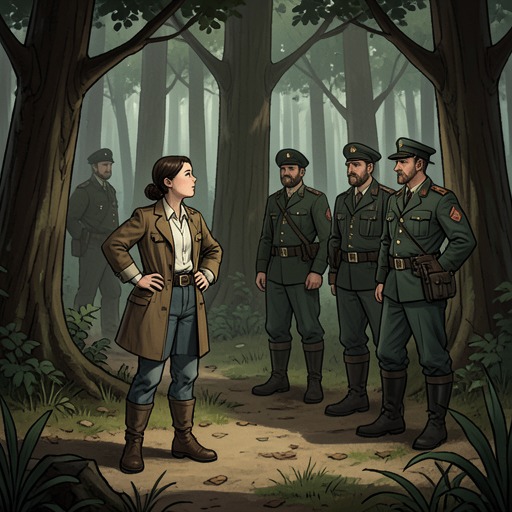
That difference matters because the children are surrounded by adults for whom robbery is inherited work. Matt takes pride in a family line of robber chiefs and expects Ronia to follow him; she refuses. When Matt insists that he takes only from the rich, Ronia’s judgment does not bend toward his justification. Later, when Noddle-Pete imagines a single robber band formed by defeating Borka in single combat, Ronia says that the cleverest course would be to stop robbing altogether. The silver mine enters this moral argument as a practical alternative: the children can imagine supporting themselves without continuing the adults’ occupation.
Noddle-Pete’s Secret
The mine becomes available to Ronia through a confidence Noddle-Pete shares after the feast. He asks her to promise that she will not tell the secret to anyone living except one person. Ronia promises, and he takes her hands in his to warm his own cold ones before explaining its origin. When he was young and spent his time in the woods, he saved a little gray dwarf from harpies intent on tearing him apart. Noddle-Pete describes the gray dwarfs dismissively as riffraff, but says this one was different and was so grateful that he could scarcely get rid of him.
The dwarf’s gratitude led to the disclosure of the silver mine. Noddle-Pete begins to tell Ronia what the dwarf insisted on giving him, but Matt appears at the doorway, interrupting the story because he wants to know why she has stayed away so long. The feast is over, and it is time for the Wolf Song. Ronia insists that she must hear the rest; while Matt waits, Noddle-Pete whispers the remainder in her ear. The account makes the mine more than a rumor of hidden wealth: it is the lasting consequence of an act of rescue, and its location has come to Ronia through a private story rather than through the robber band.
From Inheritance to a Shared Plan
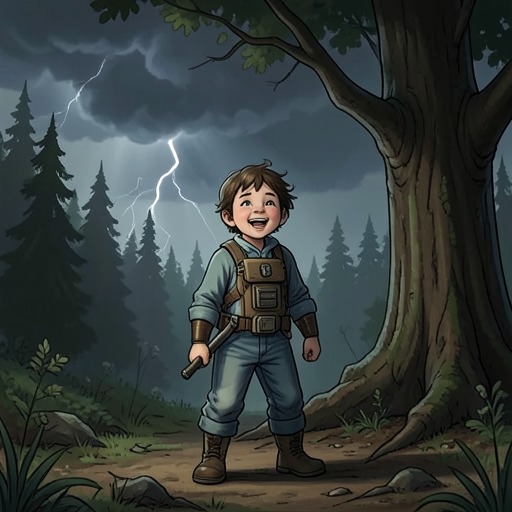
By spring, the possibility has become a proposal between Ronia and Birk. As Birk’s father and the other robbers look forward to beginning their robber life again after winter, the children take pleasure in different prospects: the snow disappearing so they can ride, and the thought of moving back to Bear’s Cave. Ronia tells Birk that she is glad he never wants to be a robber. Birk answers that he has taken an oath against it, then raises the practical question of what the two of them will live on.
Ronia has an answer. She proposes that they become miners and tells Birk the story of Noddle-Pete’s silver mine—the one a little gray dwarf showed him long ago in gratitude for saving his life. She says the silver nuggets are as large as cobblestones, but allows that the story may not be true. Noddle-Pete swore that it was, and Ronia knows where the mine is. Her confidence is enough to turn the secret into a shared possibility, while her qualification preserves the difference between a reported promise and a discovery they have yet to make.
Birk’s response sets a boundary around the plan. There is no hurry, he says, but Ronia must keep the mine secret; otherwise all the robbers will rush to gather the silver. She laughs and recalls Noddle-Pete’s warning that robbers are as eager as buzzards. The warning is not abstract: the band’s established appetite for goods makes secrecy essential if the children’s alternative is to remain theirs. Ronia has promised not to reveal the secret except to one person, and Birk becomes that one confidant.
Secrecy, Independence, and the Cave
Neither child treats mining as an immediate escape into sudden wealth. Birk says they will be all right without silver for the time being, because there are other things they need in Bear’s Cave. His answer places their priorities in the order they choose: first the life they mean to build together, then the uncertain possibility of the mine. The silver is a resource they may investigate, not a reason to abandon their present independence or hurry into another form of dependence.
Their plan also differs sharply from the robber band’s. The adults anticipate the return of their customary work after the long winter, while Ronia and Birk look toward riding and moving back to the cave. They do not seek to reform Matt’s band by taking control of it, nor to join Borka’s household as robbers. Instead, they imagine earning a living together in a way that can coexist with the freedom they have made for themselves. The mine’s secrecy protects that small future from the very people whose habits make it necessary.
Significance of the Plan
The plan gathers several strands of the story into a modest, concrete proposal. Ronia’s rejection of robbery began with her recognition that the goods the robbers bring home have been taken from other people, and her later protest against robbing people makes the cost of the occupation explicit. Birk’s oath gives their refusal a shared basis. The mine supplies a possible means to live by that refusal, though neither child claims to know yet what they will find or when they will go.
Its origin further complicates the idea of wealth. The silver comes into Noddle-Pete’s story through a rescue and a grateful gift, not a raid; the secret is passed on through trust, first from the gray dwarf to Noddle-Pete and then from Noddle-Pete to Ronia, who shares it only with Birk. Against the adults’ expectation that children inherit a robber’s life, the mine represents a future they can choose together. The plan remains tentative, but its decisive change is already clear: Ronia and Birk can imagine making their living without making other people suffer.