“A big lump of summer”
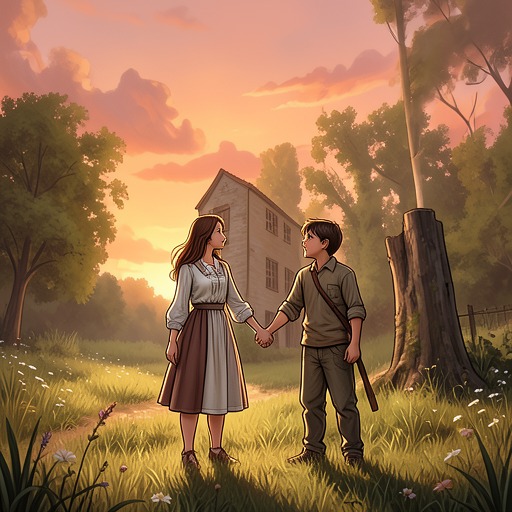
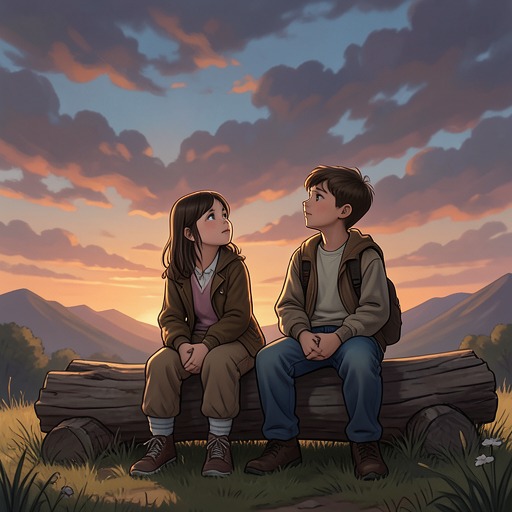
Ronja, the Robber's DaughterRonia’s “big lump of summer” is a metaphor for deliberately gathering the season’s experiences into memory as sustenance for the winter ahead. Spoken during her and Birk’s self-imposed refuge in Bear’s Cave, it gives shape to their effort to live fully in the forest while refusing, for a time, to let approaching hardship govern their days.
A season lived against its ending
The phrase emerges from a summer that both children know cannot last. Birk acknowledges that winter will come, and Ronia knows it too, but they begin living as if summer were endless, trying to draw sweetness from every hour from dawn through night. Their resolve is not ignorance so much as a chosen attention: the future remains real, but they will not allow it to spoil the present before it arrives.
The contrast reaches back to their winter privation. Birk’s family had run short of flour, turnips, peas, and salted fish; they had even melted snow for water when the stream was inaccessible. In the cave, Ronia and Birk face their own dwindling supplies: the flour she brought from home is gone, the last hard loaves have been baked on heated stones, and their milk supply will soon end. They can fish, snare birds, and gather edible plants and berries, but these practical provisions do not make the loss of bread and milk welcome. Against that material uncertainty, summer becomes something more than comfortable weather: it is a resource they can preserve inwardly.
What the summer contains
Ronia explains her metaphor through a vivid inventory. She is drinking in summer like a wild bee taking honey and gathering it into a lump to live on when the season is gone. Its contents are not abstract tokens of happiness but particular experiences: batches of sunrises, blueberry bushes heavy with fruit, the freckles on Birk’s arms, moonlight over the river, starry skies, sunlit fir trees at noon, and a small evening rain. She includes the animals around them—squirrels, foxes, hares, elk, and the wild horses they know—as well as their own swimming and rides through the woods.
The list joins landscape, bodily detail, wildlife, and shared activity. The freckles make the remembered summer intimate; the berries, weather, and animals place that intimacy within a living forest. Ronia’s collecting is therefore both personal and attentive to the world around her. Birk calls her a good summer baker and urges her to continue, extending her image of stored sweetness into a shared practice: she gathers the season, and he recognizes the value of what she is making.
Freedom, memory, and the turn to autumn
The summer they preserve is also the summer of their freedom in Bear’s Cave. After a meal, they laugh over the prospect of living on spring water and decide that the cave is their kingdom, beyond anyone’s power to take away. They arrange food, tools, and weapons, fetch water from a forest spring, set a net in the river, and make a hearth on their platform. Later, they fish and hunt for necessities while spending the rest of their time walking, watching animals and birds, climbing, riding, and swimming in forest lakes. Their chosen freedom is sustained by practical knowledge and by a way of living among the forest’s other inhabitants.
Earlier, when Birk tells Ronia, “Sister mine, it’s summer now,” she answers that she will carry the season in her memory as long as she lives. The “big lump” gives that promise a concrete form: memory can retain what the calendar takes away. Yet the story does not let the image stop time. Cool nights arrive; yellow leaves appear in a birch by the river; later, the Unearthly Ones sing their autumn laments, and persistent rain confines the pair to the cave. The season passes despite their wish to remain within it. Ronia’s expression matters precisely because it does not prevent that change: it names the inward store of lived experience they can carry into a less generous season.