Ronia and Birk’s refuge in Bear’s Cave
Ronja, the Robber's DaughterRonia and Birk’s refuge in Bear’s Cave is a self-chosen sanctuary from the feud between Matt and Borka and from the robber traditions each family expects its children to inherit. Its summer of freedom gives the pair a life organized around companionship and the forest rather than clan allegiance; as autumn approaches, it also forces them to confront whether their bond can endure separation, winter, and the pull of home.
Choosing the Cave
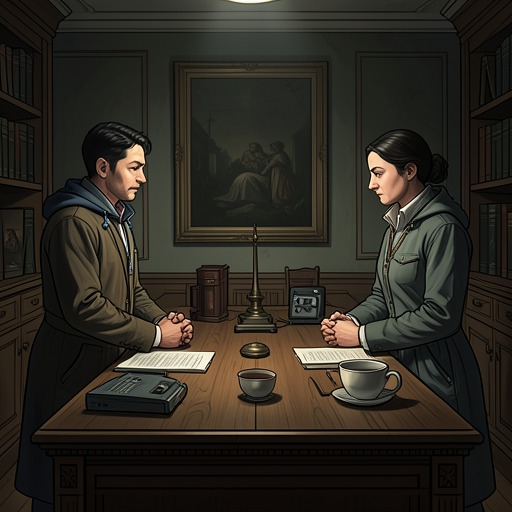
Birk knows that Ronia is his sister fully and always, but he explains why he has kept their summer free of messengers from Matt’s Fort and avoided talking about winter: he believes their shared life has a deadline. He tells her that, without her, he does not much care about living, and expects that she will have to return to her father when the cold comes. His words make the cave more than a hiding place. It is the setting of a chosen family life that both children know may be temporary, even as they try to inhabit it as if it could last.
Birk considers returning to Borka’s Keep, where he knows he would not be turned away, but rejects the refuge offered by his birth family because he would still be without Ronia and would not even be allowed to see her. Instead, he intends to remain in Bear’s Cave alone. He imagines Ronia might sometimes ski down with bread and salt and his wolfskin, a small, practical hope that does not disguise the bleakness of expecting to freeze in the winter forest. The possibility of living apart is already painful; he accepts it as the price of not forcing Ronia to stay.
Ronia challenges the assumption that winter will send her back to Matt’s Fort. Birk replies that he will take her there himself if necessary, while insisting that for now it is summer. Neither can stop the season from changing, but they choose to turn their attention to the time they still have. Their refuge becomes an answer not to winter itself but to the fear of letting anticipation of loss consume the present.
A Summer Lived in the Forest
The two try to draw the sweetness from every hour, from dawn through night, and to push aside the painful thought of winter. Ronia describes gathering summer into a great store to live on when summer is gone: sunrises, berry-covered blueberry bushes, moonlight above the river, stars, warm woods, evening rain, and the animals and rides that fill their days. The image gives their temporary life a form of its own. They cannot keep the season, but they can attend to it closely enough to carry its memory beyond the cave.
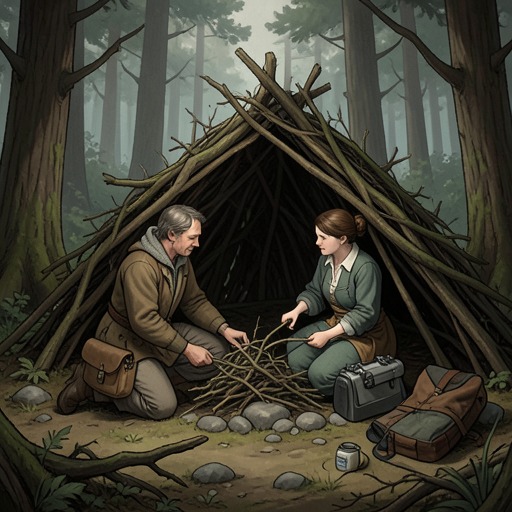
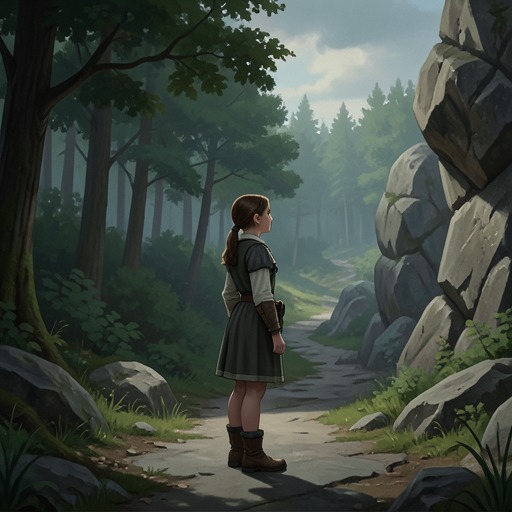
Their ordinary routines make that attention concrete. They fish and hunt for the food they need, while otherwise living peacefully alongside the life around them. They walk for long stretches to watch birds and animals, climb rocks and trees, ride, and swim in forest lakes where no harpies disturb them. The cave is not presented as a retreat from all work or contact with nature: it is the base for a daily life in which survival, exploration, and quiet coexist.
The change of season arrives first in details they do not discuss. The sky grows clearer and cooler; one or two nights turn cold, and yellow leaves appear in a birch by the river. Later, red and gold spread among the green until the riverside seems aflame with autumn color. Sitting by their fire, Ronia and Birk see these signs but say nothing. Their silence registers both their shared awareness and their effort to protect the summer they have left from becoming merely a countdown.
The Refuge Put to the Test
The end of the cave life becomes unavoidable when Matt comes to take Ronia home. Birk understands that the moment has arrived: he must say goodbye and let her return to her father, even though he had wanted to do so and has known for a long time that it would happen. The recognition does not make the parting painless. As he stands there, he urges her inwardly to go quickly, before the hurt grows worse. His willingness to release her is part of the loyalty that makes the refuge possible in the first place.
Matt asks Ronia, with all his heart, to come home to him again. She understands that refusing will hurt her father, but cannot leave Birk alone to freeze in the winter forest. Her decision gives the cave’s central bond its sharpest test: the refuge has depended on the pair’s choice to live together, and now that choice runs directly against a parent’s appeal and the expected return to Matt’s Fort. For Birk, the same choice is difficult in reverse. He does not want Ronia to sacrifice her life for him and tells her he will go wherever she goes, even if living among Matt’s robbers chokes him.
They put out the fire, pack their belongings, and leave Bear’s Cave together. Ronia whispers that they will move back the next spring, telling Birk rather than Matt, so that Matt will not worry unnecessarily. Birk welcomes the thought because it assumes they will still be alive. The departure is real, but the promise prevents it from becoming a renunciation of the life they built there. Matt walks ahead through the forest, singing loudly enough to startle the wild horses into flight; Villain and Savage stay where they are, apparently ready for another race. The movement home carries the pair away from the cave without erasing the future they have imagined for it.
Family, Choice, and the Meaning of Home
The cave refuge stands against an inherited world in which family identity is tied to robbery. Ronia has already rejected Matt’s expectation that she will become a robber chief after him, and she objects to taking goods from people who will be left angry and crying. When she later warns Matt that robbing people would make her refuse to be his daughter, she distinguishes material plunder from harm to human beings. Her moral independence helps explain why the forest life with Birk matters: their chosen attachment offers a way to belong without simply accepting the violent vocation their families pass down.
Ronia’s refusal to inherit her father’s calling does not mean she rejects her relationship with him. At the cave’s end, Matt’s heartfelt request that she come home matters precisely because she loves him and knows her answer will hurt him. But she also treats Birk as her brother in a complete and lasting sense, not as a companion she can abandon when family authority demands it. The choice to leave together is therefore not an easy preference for one household over another; it is a decision to preserve a bond whose obligations she recognizes as real.
The episode also places the pair’s private peace beside the continuing conflict over robber life. Noddle-Pete eventually smiles when Ronia says that the most cunning idea would be to stop robbing, agreeing that she is right while admitting he is too old and feeble to drum it into Matt’s head. The remark echoes the children’s effort to make a different life in Bear’s Cave: their retreat does not settle the wider dispute, but it shows what becomes possible when companionship, care for the living world, and refusal of robbery take precedence. Their spring promise leaves that possibility open beyond the summer that first made it tangible.