
Afghanistan’s Civilian Exposure
September 11Traces the vulnerability of Afghan civilians caught between Taliban rule, threatened invasion, factional violence, and dwindling aid.
increasing Bearing strength in each event
 decreasing
Bearing strength in each eventdecreasingA Country in Ruins
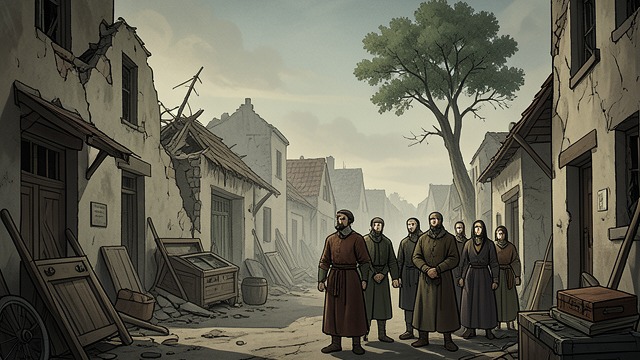
A Country in Ruins
Afghanistan enters the crisis impoverished and devastated by years of conflict.
Civilian Hardship
The population faces displacement, weak infrastructure, and widespread dependence on outside food assistance.
A Vulnerable Setting
Military decisions made elsewhere therefore carry exceptional consequences for ordinary Afghans.
Fear of Factional Rule
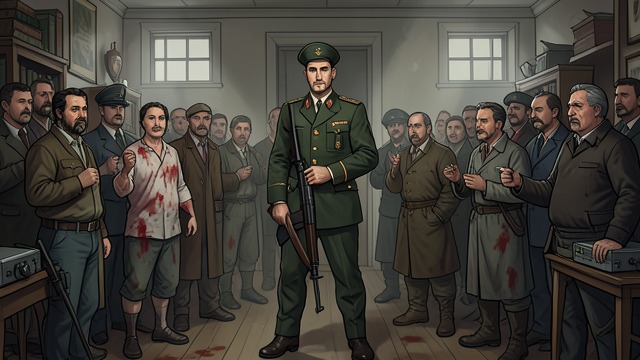
Fear of Factional Rule
Many Afghans fear the Northern Alliance’s return because its factions had previously inflicted severe violence.
Earlier Abuses
Chomsky cites reports of killings, rape, destroyed villages, and mass abuses during the factions’ earlier period of power.
A Desperate Comparison
The history helps explain why some people accepted Taliban rule as an alternative to warlord violence.
The Border Closure
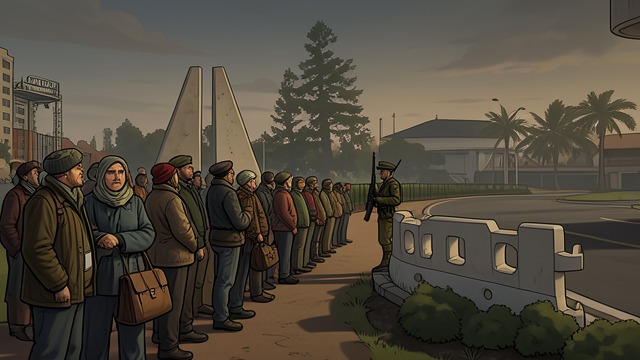
The Border Closure
Pakistan closes its long border with Afghanistan amid American pressure and security concerns.
Refugees Trapped
Afghans seeking escape find routes blocked, while relief organizations face difficulty reaching those in need.
Danger Intensifies
The closure makes an already desperate humanitarian crisis more difficult to relieve.
Bombing and Hunger
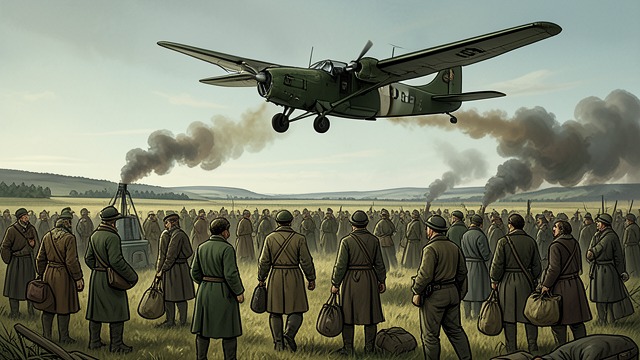
Bombing and Hunger
American air strikes begin while food convoys and aid operations are disrupted.
Compounding Risks
Civilians face both immediate danger from military action and the threat of famine from lost supplies.
The Unseen Majority
Chomsky emphasizes that those who cannot flee are largely absent from the images available to outsiders.
An Uncertain Future
An Uncertain Future
Chomsky describes proposals for a United Nations-backed transitional government and substantial reconstruction aid.
A Possible Alternative
Independent assistance could help rebuild institutions without empowering the most violent factions.
Responsibility Unaccepted
The United States rejects nation-building, leaving Afghans’ future dependent on decisions by outside powers and domestic actors.
Before September 2001
September 2001, before the bombing
September 2001
After October 7, 2001
October 2001, as discussion turns to postwar Afghanistan
