
Chomsky’s Public Intervention
September 11Follows Chomsky’s effort, across the interviews and postface, to challenge retaliation, explain historical context, and mobilize public judgment.
increasing Bearing strength in each event
 decreasing
Bearing strength in each eventdecreasingA Voice in Crisis
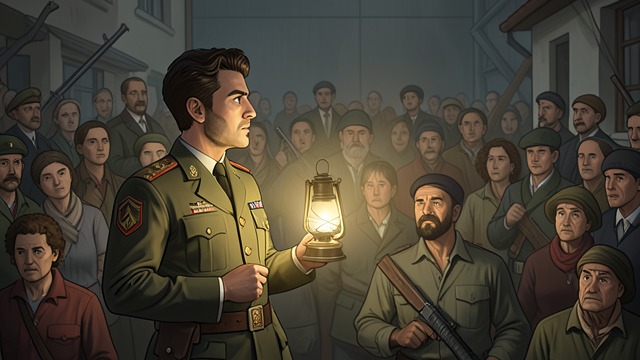
A Voice in Crisis
Chomsky answers interviews across European and American media in the immediate aftermath of the attacks.
A Different Emphasis
Rather than treating the event as detached from history, he insists on examining American policy and earlier interventions.
Public Argument
The interviews make explanation, rather than patriotic silence, part of the crisis response.
Questioning the War Frame
Questioning the War Frame
Chomsky challenges the language of a “war against terrorism” and asks what actions that phrase legitimizes.
Legal Alternatives
He advocates evidence, arrest, trial, and international cooperation.
A Moral Boundary
His argument distinguishes condemning the attacks from endorsing punishment of uninvolved civilians.
Confronting State Violence
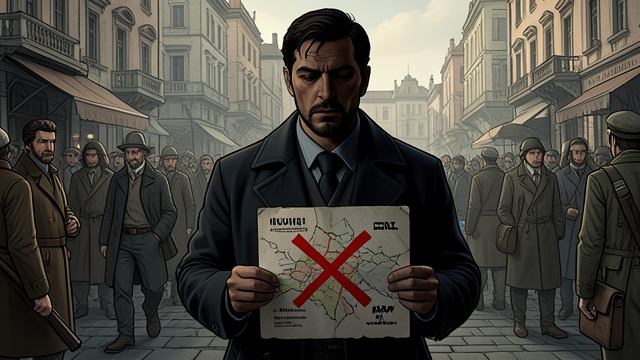
Confronting State Violence
Chomsky draws attention to violence carried out by the United States and its allies.
Suppressed Comparisons
Nicaragua, Beirut, Iraq, and Sudan become examples of harms often left outside mainstream discussion.
Consistency as Method
He asks audiences to use the same moral vocabulary for powerful governments and declared enemies.
Speaking Against Silence
Speaking Against Silence
Chomsky argues that critics should not withdraw from public debate during a national crisis.
More Inquiry
He calls for deeper attention to the historical conditions behind terrorist violence.
Civic Possibility
Public discussion can influence government choices and help prevent a wider cycle of retaliation.
The Continuing Obligation
The Continuing Obligation
The postface extends Chomsky’s immediate arguments into a durable test of political responsibility.
Universal Standards
If an action is wrong when others perform it, it remains wrong when performed by one’s own government.
Active Citizenship
The work of preventing violence requires honest memory, public pressure, and attention to consequences.
September 18–22, 2001
September 19–21, 2001
September 21, 2001
September 30–October 5, 2001
In the postface, several months after September 11
