
The Afghan War’s Origins
September 11Follows the making of the foreign-backed Afghan forces, their later dispersion, and the blowback that Chomsky sees in subsequent violence.
increasing Bearing strength in each event
 decreasing
Bearing strength in each eventdecreasingThe Afghan Trap
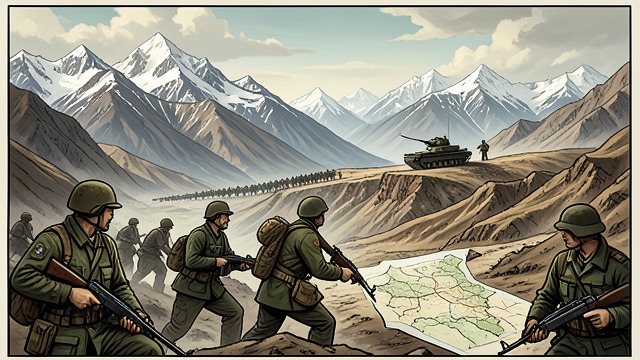
The Afghan Trap
Chomsky recounts Zbigniew Brzezinski’s claim that covert support for Afghan fighters preceded the Soviet intervention.
Strategic Calculation
The stated purpose was not simply to aid Afghan resistance; the policy aimed to draw the Soviet Union into a costly conflict.
A Risky Foundation
This account makes later violence part of a chain of political choices rather than an isolated eruption.
Recruiting the Fighters
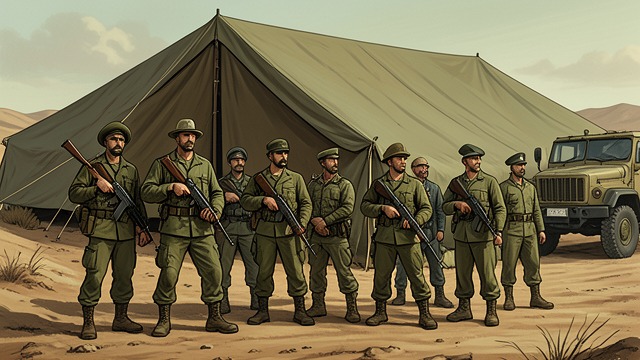
Recruiting the Fighters
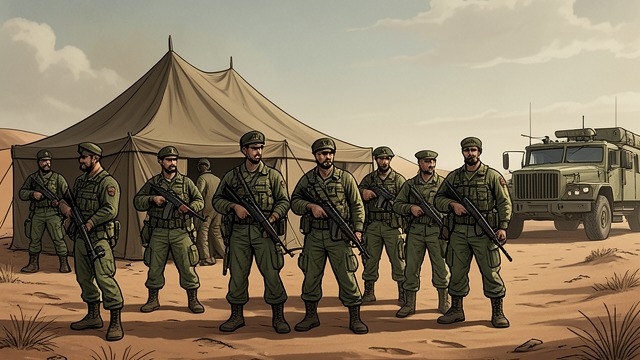
The CIA and allied services recruit, train, and arm Islamist militants for the Afghan conflict.
An International Force
Many recruits called “Afghans” came from elsewhere, forming a network larger than the local war itself.
Future Consequences
The military infrastructure created for immediate strategic purposes outlives the original purpose and helps establish later networks.
Victory and Dispersal
Victory and Dispersal
After the Soviet withdrawal, the militants’ shared campaign ends without dismantling their networks.
New Arenas
Chomsky traces fighters and associated groups into conflicts in places including Bosnia and Chechnya.
A Changed Direction
Formerly useful forces increasingly pursue their own objectives, illustrating how proxy armies may escape their sponsors’ control.
The Network Turns
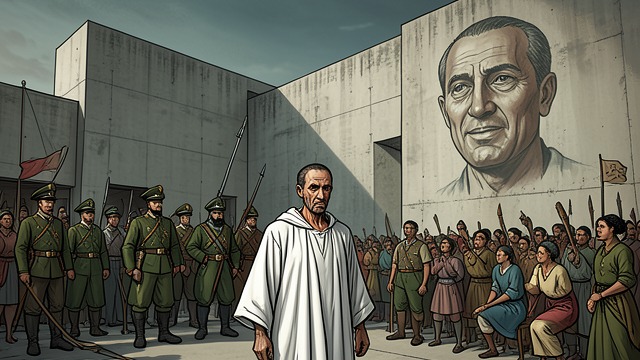
The Network Turns
Bin Laden and associates describe American military presence in Saudi Arabia as an occupation and direct hostility toward the United States.
Former Patrons
The reversal follows years in which American and allied support helped organize militant forces.
Sacred Geography
Saudi Arabia’s religious significance intensifies the political meaning of foreign troops for the movement.
The September Attack
The September Attack
Chomsky considers it plausible that the network connected to bin Laden was involved, while cautioning against certainty about who planned the operation.
Limits of Attribution
A decentralized organization complicates claims about command and direct responsibility.
Blowback, Not Excuse
The history helps explain conditions and connections, but it does not excuse the killing of civilians.
Mid-1979
After the Soviet invasion in December 1979
1989
After U.S. forces establish a permanent presence in Saudi Arabia
September 11, 2001
