
The Contest Between Civilizations
September 11Traces Chomsky’s rejection of a simple West-versus-Islam framework through examples of cross-cutting alliances and violence.
increasing Bearing strength in each event
 decreasing
Bearing strength in each eventdecreasingWestern Support for Suharto
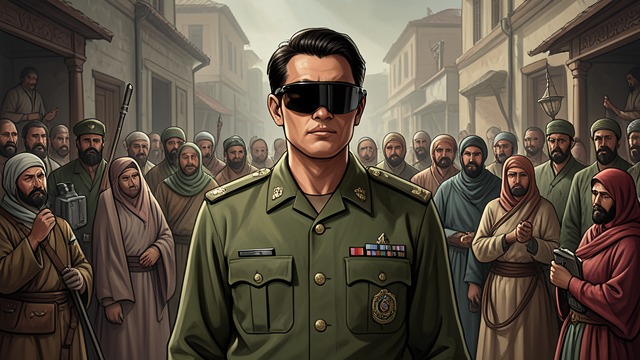
Western Support for Suharto
The United States supports Suharto after a military takeover in Indonesia accompanied by mass killings.
A Muslim-Majority State
The example disrupts the claim that Western and Muslim societies form opposing blocs.
Selective Memory
Chomsky notes how Western enthusiasm for the regime later gives way to historical silence.
Support for Militants
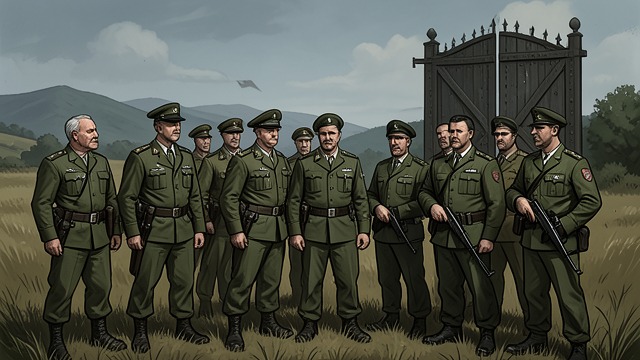
Support for Militants
The United States and allies arm Islamist militants against the Soviet Union in Afghanistan.
Strategic Alignment
Religious identity does not prevent cooperation when the groups serve a powerful state’s immediate interests.
A Challenge to the Binary
This history complicates claims that Western policy consistently opposes Islamic fundamentalism.
The Central American Example
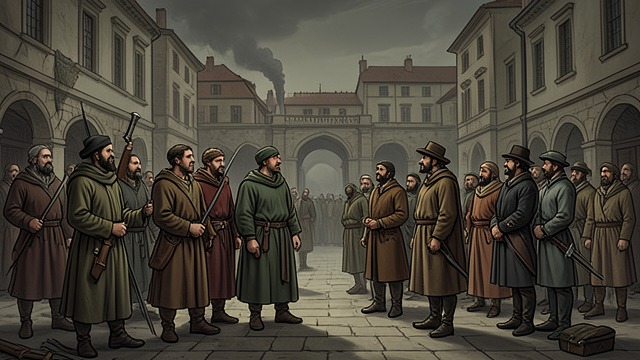
The Central American Example
Chomsky describes American-backed violence in Central America as directed in part against a church supporting poor communities.
An Unexpected Enemy
The conflict crosses religious categories, with Catholic institutions opposing policies supported by Western powers.
Power over Identity
Political obedience, rather than civilization or faith, better explains many alliances and hostilities.
The Civilizational Claim
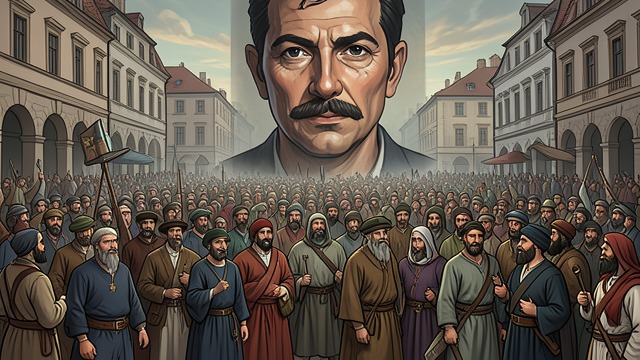
The Civilizational Claim
Commentators describe the crisis as a clash between Western and Islamic civilizations.
An Appealing Simplification
The frame converts political conflicts into a contest between entire cultures.
Chomsky’s Objection
He considers the explanation historically shallow and politically convenient.
A False Universal Divide

A False Universal Divide
Chomsky rejects a global conflict between Islam and the West as an account of the crisis.
Mixed Histories
States, religious movements, and communities have formed changing alliances across supposed civilizational boundaries.
Better Questions
The analysis should focus on power, policy, and violence rather than treating cultures as unified enemies.
From 1965 onward
During the 1980s
During the 1980s
September 2001
In the interviews of September and October 2001
