
Memory, Forgetting, and Public Conscience
September 11Traces how selective memory shields state violence and how recovering suppressed histories becomes a condition for ethical judgment.
increasing Bearing strength in each event
 decreasing
Bearing strength in each eventdecreasingA Forgotten Massacre
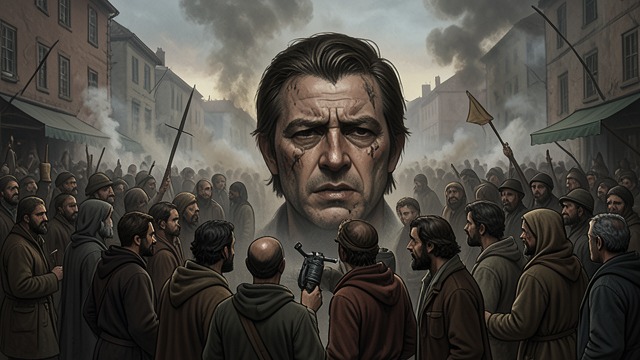
A Forgotten Massacre
Chomsky recalls mass killings in Indonesia that received enthusiastic coverage in parts of the West.
Convenient Approval
The victims were largely landless peasants and had not harmed the countries celebrating the political outcome.
Memory Rewritten
The episode later becomes difficult to remember because it implicates Western power.
Nicaragua’s Ruins
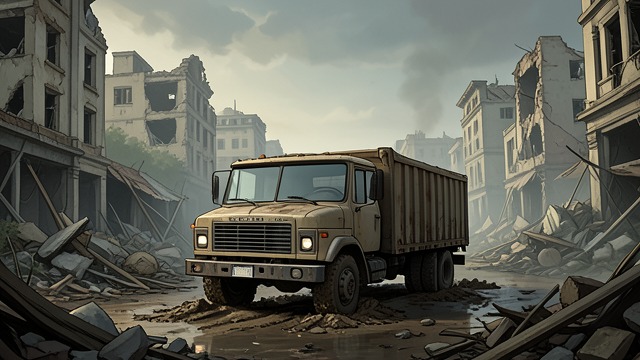
Nicaragua’s Ruins
The American war and economic pressure leave Nicaragua deeply damaged.
Public Celebration
Chomsky quotes Western coverage that presented the outcome as a political success.
Victims Reduced to Detail
The suffering of ordinary people becomes secondary to a narrative of strategic victory.
Al-Shifa’s Quiet Consequences
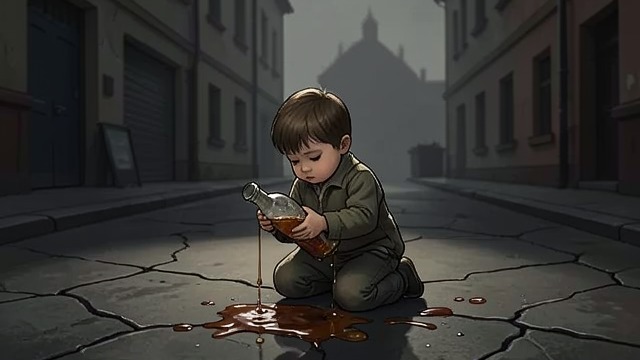
Al-Shifa’s Quiet Consequences
The destruction of Sudan’s pharmaceutical plant is treated as a brief episode despite its continuing effects.
Evidence Available
Journalists report medicine shortages, preventable illness, and wider humanitarian costs.
Selective Attention
Chomsky asks why such consequences draw less outrage than violence against Western targets.
The Reaction to Comparison
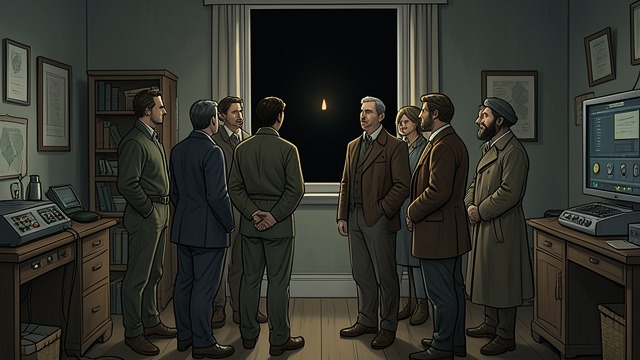
The Reaction to Comparison
Chomsky reports intense criticism when he compares American actions with the September attacks.
A Revealing Taboo
The strength of the reaction suggests that some audiences treat their own state’s violence as beyond comparison.
A Test of Conscience
The controversy exposes the limits of public willingness to examine national responsibility.
Looking in the Mirror

Looking in the Mirror
Chomsky argues that honest judgment requires confronting the record of one’s own government.
Memory as Responsibility
Forgetting protects perpetrators and leaves victims without recognition or redress.
A Basis for Change
A more truthful public memory can help prevent future violence and strengthen demands for accountability.
After the Indonesian killings of 1965
After the American campaign of the 1980s
1998–2001
September 2001
In the closing pages of the postface
