
The Limits of Intelligence
September 11Traces the gap between expanded surveillance and actual security, emphasizing political choices and the structure of decentralized networks.
increasing Bearing strength in each event
 decreasing
Bearing strength in each eventdecreasingThe Sudanese Warning

The Sudanese Warning
Sudan offers information and cooperation about suspected militants, but American officials do not accept the offer.
Intelligence Available
Chomsky cites later reporting that the material included significant data on bin Laden’s network.
Political Obstruction
The case suggests that diplomatic hostility can prevent intelligence from being used.
A Sudden Surprise
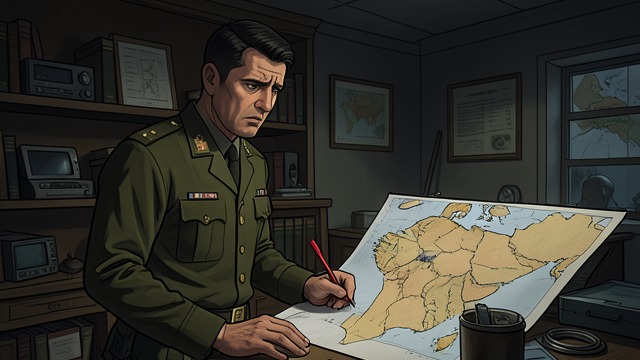
A Sudden Surprise
The attacks expose a major failure by American and Western intelligence services.
Security Assumptions Shaken
The existence of a known militant network had not prevented the operation.
A Harder Problem
Chomsky questions the assumption that more monitoring alone can solve the threat.
A Decentralized Network
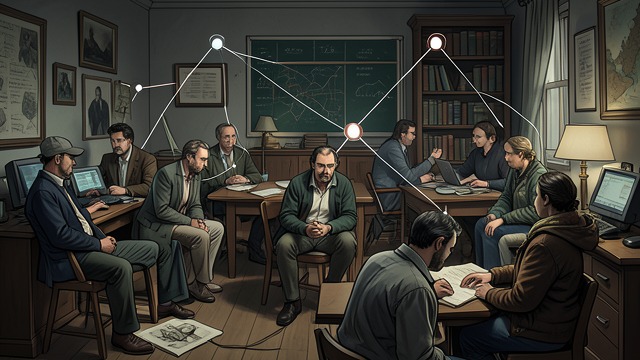
A Decentralized Network
Chomsky describes the bin Laden network as dispersed, nonhierarchical, and difficult to penetrate.
Operational Challenge
Loose organization limits the value of conventional surveillance focused on a single command structure.
More Than Technology
Security depends on understanding political conditions as well as gathering information.
The Failure Reconsidered

The Failure Reconsidered
The rejected Sudanese cooperation becomes relevant to questions about how the attacks might have been prevented.
Retrospective Evidence
A former intelligence source calls the refusal a grave failure, according to reporting Chomsky cites.
Institutional Lesson
Security failures may reflect policy choices, not simply inadequate technical capacity.
Beyond Big Brother

Beyond Big Brother
Chomsky is skeptical that a more powerful surveillance system will reliably stop a decentralized network.
Repeated Intelligence Limits
He notes the long record of intelligence failures against targets easier to observe.
Causes and Restraint
Reducing the threat also requires addressing its political sources and avoiding policies that generate more recruits.
Before the August 1998 strike on Al-Shifa
September 11, 2001
In the immediate post-attack analysis
After September 11, 2001
In the interviews of September and October 2001
