
The Possibility of Peace
September 11Traces the book’s movement from warnings about escalation toward a conditional hope for lawful action, public pressure, and humanitarian responsibility.
increasing Bearing strength in each event
 decreasing
Bearing strength in each eventdecreasingA Familiar Cycle

A Familiar Cycle
Chomsky warns that retaliatory violence can reproduce the conditions that invite further violence.
Historical Pattern
Conflicts in Ireland, the Middle East, and the Balkans show how escalation can become self-sustaining.
A Choice, Not Fate
The pattern is familiar but not inevitable; governments and publics can choose differently.
Law as an Alternative
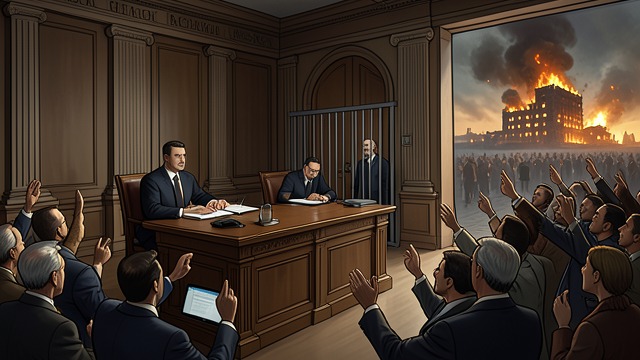
Law as an Alternative
Chomsky points to criminal investigation, evidence, and trial as practical alternatives to indiscriminate force.
Existing Precedents
He cites the response to the IRA and the prosecution after Oklahoma City.
Justice with Restraint
Law can punish those responsible while avoiding collective harm to innocent populations.
Humanitarian Responsibility
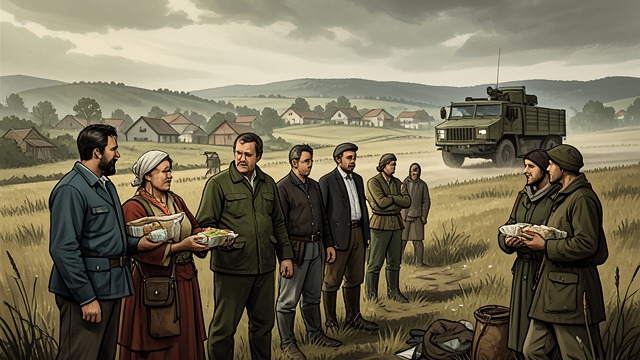
Humanitarian Responsibility
Chomsky argues that states must not cut off food and aid to a population facing famine.
Civilian Need
Afghans’ vulnerability makes continued relief essential regardless of military aims.
Credibility at Stake
Humanitarian language is meaningful only when policies actually protect people in danger.
Public Pressure
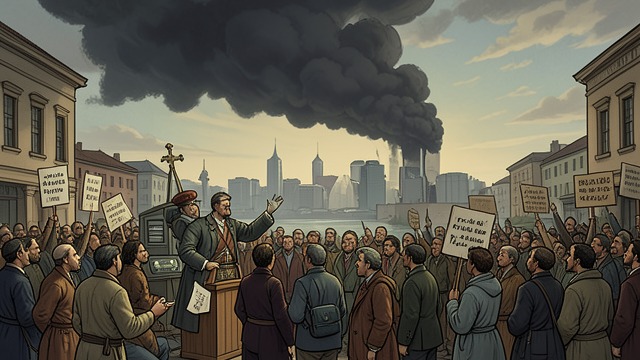
Public Pressure
Chomsky believes organized public opinion can push governments toward more humane policy.
Democratic Influence
Citizens may affect whether leaders choose legal cooperation or large-scale violence.
Sustained Effort
That influence requires continued discussion rather than retreat into silence.
An Open Future
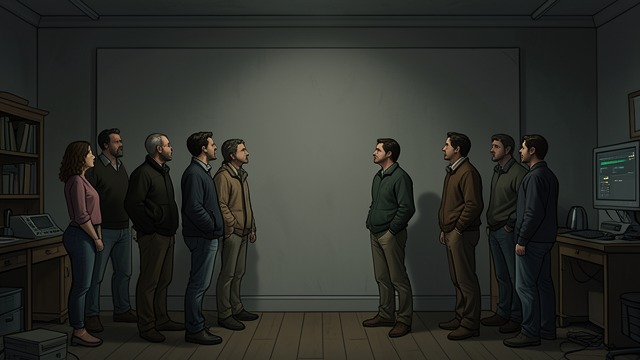
An Open Future
The book ends without certainty about long-term consequences but insists that outcomes remain politically shaped.
Responsibility of Power
Powerful states must justify threats of violence and accept the same principles they impose on others.
Conditional Hope
A less violent future depends on law, honest historical inquiry, and a public willing to demand consistency.
September 2001
September 20–22, 2001
September and October 2001
As the coalition debate unfolds in autumn 2001
In the final postface
