
The Convenient Moral Divide
September 11This thread traces how an unargued division between virtuous insiders and wicked outsiders shields powerful claims from historical scrutiny.
increasing Bearing strength in each event
 decreasing
Bearing strength in each eventdecreasingThe Simple Counterclaim
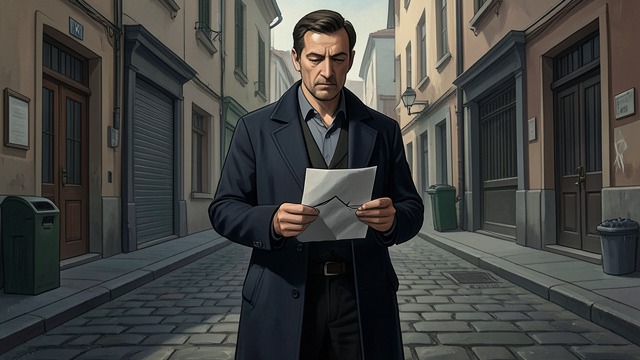
The Simple Counterclaim
A ready-made answer
The argument begins with a convenient response: one side is good and the other bad. Its simplicity makes it difficult to challenge through ordinary reasoning.
Assumptions in place of proof
The passage presents this division not as a conclusion demonstrated by evidence, but as a premise commonly left unexamined.
The Hidden Premise
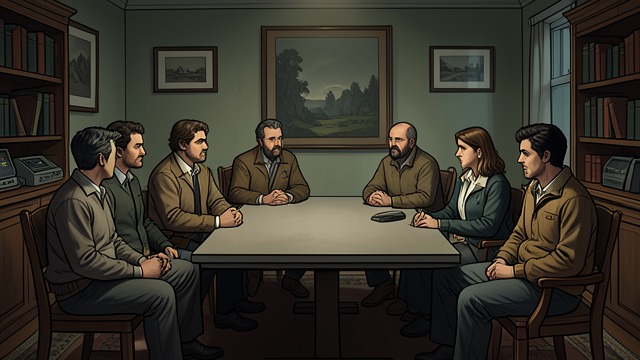
The Hidden Premise
Unspoken consensus
Commentary and specialist studies, as the author describes them, often reveal the same moral assumption beneath public argument. It supplies a framework before evidence is considered.
Consequences for debate
Because the premise is treated as obvious, opposing accounts can be dismissed without addressing their historical claims.
Historical Challenges
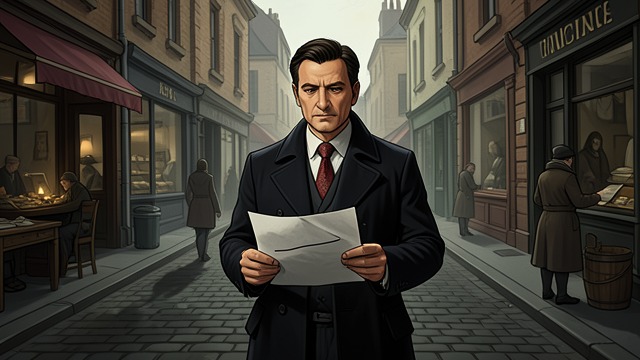
Historical Challenges
Testing the premise
Occasional observers challenge the moral division by recalling recent or contemporary history. Their intervention shifts debate from declared virtue toward specific conduct.
An uncomfortable comparison
The passage suggests that such comparisons are rare precisely because they expose inconsistencies that the easy counterclaim conceals.
Defensive Reactions
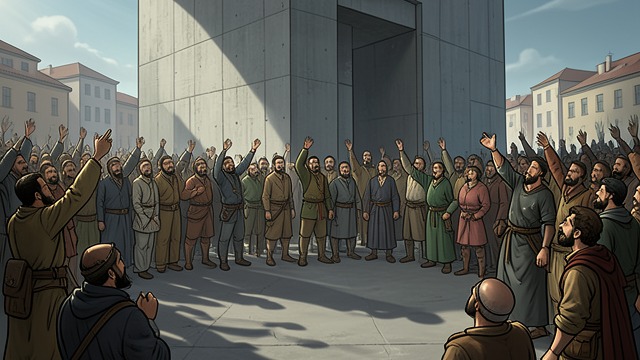
Defensive Reactions
Policing the boundaries
The author focuses on the backlash that greets challenges to the assumed moral division. Reactions reveal which questions dominant culture treats as acceptable.
A protected orthodoxy
The controversy becomes evidence in its own right: efforts to prevent historical comparison help preserve the premise from examination.
A Continuing Problem
A Continuing Problem
No new invention
The passage does not claim that influential institutions invented this pattern. It instead locates the pattern within a broader and older political culture.
Looking ahead
Attention to these norms matters because understanding the present may clarify what lies ahead. The argument closes by making scrutiny a civic necessity.
At the opening of the closing discussion
Immediately after the opening counterclaim
During the discussion of dissenting observers
After historical comparisons enter public debate
At the conclusion of the moral argument
