
A Case for Law Over Retaliation
September 11Traces Chomsky’s argument for treating terrorism as a crime and pursuing suspects through evidence and international law.
increasing Bearing strength in each event
 decreasing
Bearing strength in each eventdecreasingThe Nicaragua Precedent
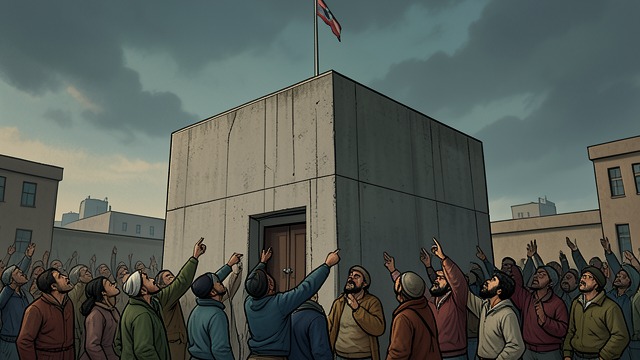
The Nicaragua Precedent
Nicaragua takes its case against American force to the International Court of Justice and the United Nations.
Legal Findings
The Court rules in Nicaragua’s favor, but the United States rejects the judgment and vetoes a Security Council resolution.
A Model Ignored
Chomsky presents the case as an example of law’s availability and of the powerful refusing its constraints.
The Criminal Analogy
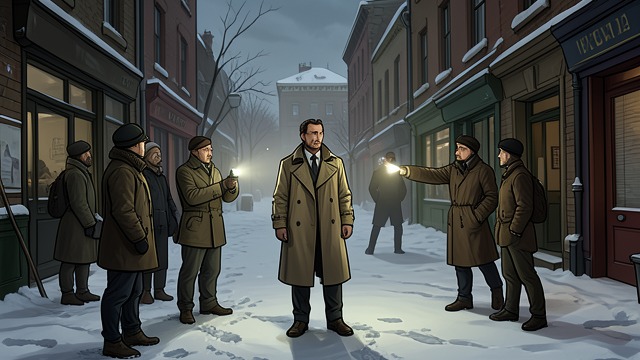
The Criminal Analogy
Chomsky compares terrorism to other crimes, arguing that the appropriate response is to find and prosecute those responsible.
Domestic Precedents
The IRA campaign and the Oklahoma City bombing show that authorities can pursue perpetrators without bombing entire communities.
Motives and Prevention
A serious response investigates grievances as well as punishing offenders, reducing the chance of recurrence.
Demanding Proof

Demanding Proof
Governments and commentators call for evidence identifying those responsible for the September attacks.
International Cooperation
Chomsky argues that proof could support a broad legal operation to arrest and try suspects.
Credibility Matters
Without credible evidence, force risks being treated as punishment by assertion rather than lawful accountability.
The British Dossier
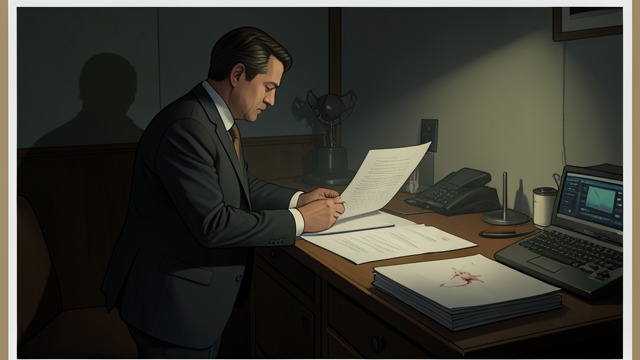
The British Dossier
Tony Blair presents evidence intended to establish the responsibility of bin Laden and the Taliban.
Chomsky’s Objection
Chomsky considers the material surprisingly thin, more like accusation than proof sufficient for a criminal trial.
A Stated Objective
An American official says the aim is to destroy bin Laden’s organization, revealing a military rather than judicial priority.
A Police Operation

A Police Operation
Chomsky cites a proposal for an international police operation to capture suspects and bring them before a court.
Fair Trial
The proposal requires proof, a fair hearing, and proportionate punishment if guilt is established.
Universal Application
Its reasonableness also exposes a difficulty: powerful states may resist a procedure that could be used against their own officials.
In the 1980s, after the International Court of Justice ruling
September 20, 2001
September and early October 2001
October 5, 2001
In the postface, several months after September 11
