
The Machinery of Blowback
September 11Traces how covert support, rejected cooperation, and later security failures form a chain connecting earlier policy to new danger.
increasing Bearing strength in each event
 decreasing
Bearing strength in each eventdecreasingThe Afghan Recruitment
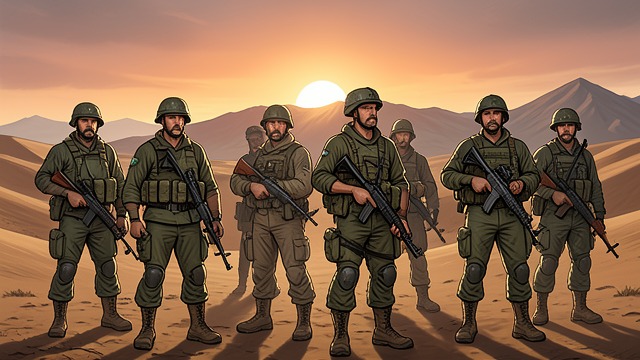
The Afghan Recruitment
American and allied intelligence services help recruit, train, and arm militant Islamists for the war against the Soviet Union.
A Proxy Force
The recruits include many non-Afghans and become part of a broader network.
Long-Term Risk
The effort creates capabilities and relationships that remain after the strategic alliance ends.
The Sadat Assassination
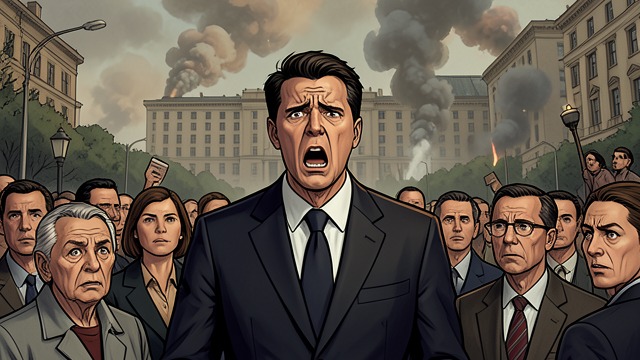
The Sadat Assassination
Militants associated with the wider Islamist movement assassinate Egyptian president Anwar Sadat.
A Former Organizer
Sadat had supported the creation of forces used in the anti-Soviet campaign.
Early Blowback
The attack illustrates how groups assembled for one purpose can become threats to former partners.
The 1993 Plot

The 1993 Plot
A bombing at the World Trade Center connects American territory to the activities of militants shaped by the Afghan war.
Network Continuity
Chomsky recounts claims that techniques taught during the earlier conflict informed the operation.
An Unheeded Warning
The earlier attack makes later claims of complete surprise harder to accept.
Sudan’s Rejected Offer

Sudan’s Rejected Offer
Sudan offers information and cooperation concerning bin Laden and suspected militants, but Washington rejects the offers.
A Missed Opportunity
Chomsky cites reporting that Sudan held suspects and offered detailed intelligence before the United States struck Al-Shifa.
Relations Sour
The attack and rejection of cooperation help explain why Sudan later releases suspects in anger.
An Intelligence Failure

An Intelligence Failure
Reporting cited by Chomsky suggests Sudan possessed information that might have helped track Al-Qaida before the attacks.
Political Obstacles
The refusal to work with Sudan is attributed to hostility between governments, not simply a lack of available information.
A Costly Aftermath
The episode complicates claims that surveillance alone can prevent attacks while political choices obstruct cooperation.
From 1979 through the 1980s
1981
1993
Before and after the American missile attack in August 1998
After September 11, 2001
