
Administrative Reform and Human Cost
Serve the People!The restructuring narrative tests claims of administrative efficiency against the displacement of soldiers and the uneven distribution of its rewards.
increasing Bearing strength in each event
 decreasing
Bearing strength in each eventdecreasingThe Promise of Simplification
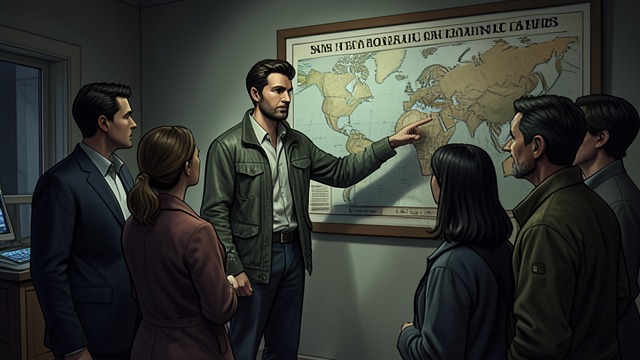
A Policy Ideal
Fewer and better
The novel recalls the argument that a smaller, more efficient administration can serve the people. The proposal is presented as a potentially beneficial reform rather than merely a slogan.
Public justification
The ideal gives leaders a language for asking individuals to accept sacrifice. Its moral force makes it difficult to distinguish genuine public purpose from institutional convenience.
The Pilot Begins
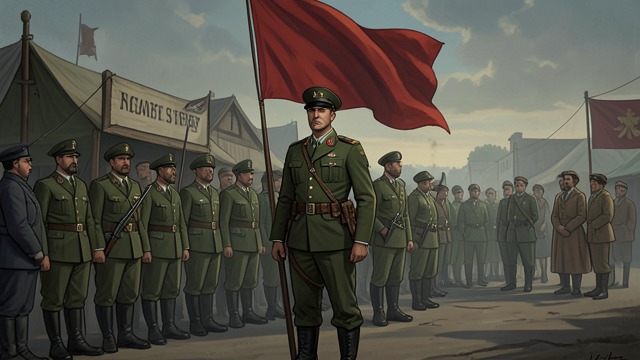
Reform Put into Motion
A volunteer division
The Division Commander accepts the role of testing a restructuring plan. The choice sets the division apart and places its members in the path of extensive change.
Decisions from above
The soldiers have little say in the policy that will determine their futures. Administrative reform reaches the barracks as an order, not as a shared deliberation.
Departure and Dislocation
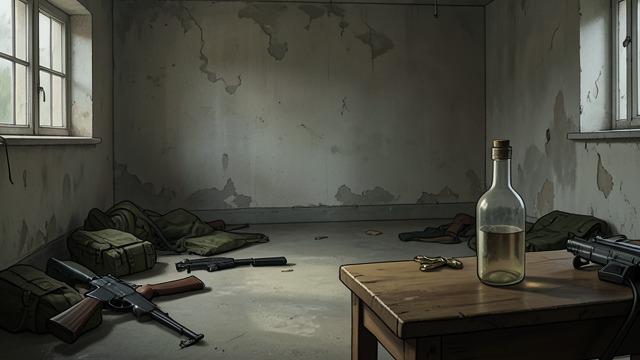
Units Scattered
Transfers and demobilization
Companies depart for distant assignments or return to civilian life. Familiar barracks empty, and comrades face separation without certainty about their futures.
Costs made visible
Damaged equipment, bitter graffiti, and farewell drinking register losses that official language cannot quantify. The reform’s human consequences contradict its smooth administrative presentation.
A Selected Exception
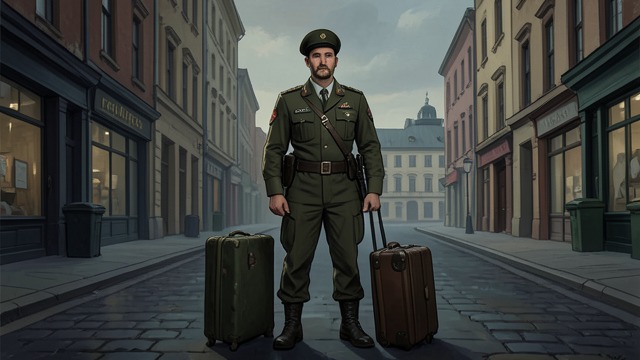
Unequal Outcomes
Favorable assignment
Wu Dawang receives a city job and family housing while other soldiers wait to learn their fate. The arrangement is officially justified by his record of service.
Questions without answers
His connection to Liu Lian and the Commander complicates the clean public explanation. The novel leaves open whether the reward reflects merit, influence, or a need to move him out of the division.
The Formation Erased
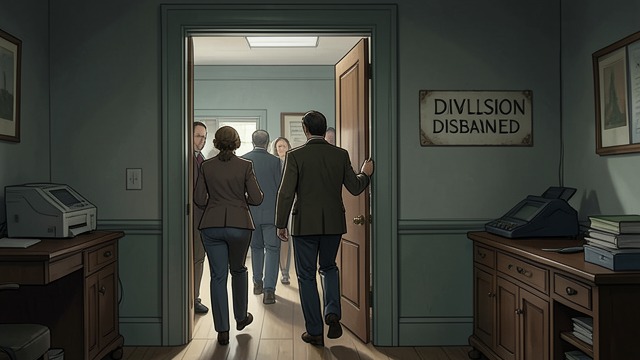
Institutional Disappearance
Final dispersal
The division is formally demobilized and its members scatter. The institution that organized their work, loyalty, and personal identity no longer exists as a shared formation.
A question of memory
The novel’s account of amnesia and erasure suggests that bureaucratic change can remove not only units but also the record of individual lives. Its costs continue after the paperwork is complete.
Before the pilot restructuring
At the Commander’s Beijing conference
During the first weeks of restructuring
During Wu Dawang’s discharge process
Three days after Wu Dawang leaves
