Liu Lian and the Division Commander’s marriage
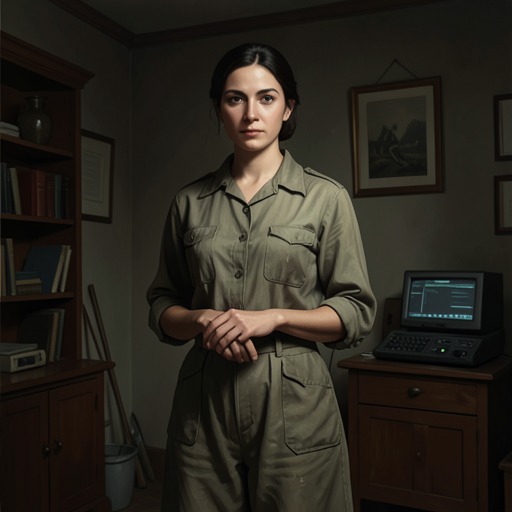
Serve the People!Liu Lian and the Division Commander’s marriage is a union of outward prestige and private disappointment, shaped by the Commander’s authority and revolutionary past. The marriage gives Liu Lian a prominent position, but she later reveals to Wu Dawang that the Commander is impotent; although she develops a deep attachment to Wu, she refuses to ask her husband for a divorce. Her decision makes the marriage both the barrier to a possible life with Wu and the structure within which she tries to help him secure advancement and a city home for his family.
Selection and Marriage
The relationship begins with the Commander’s choice of Liu Lian during an inspection tour of the hospital. She recalls that he noticed her straightaway, and her account retains the pride she felt at being singled out. She links his attention to her ability to recite Mao Zedong’s quotations: she says that she once recited a hundred to the Commander, including their punctuation, and believes this impressed him. Promotion came first, she says, and marriage followed; she insists she had been willing to marry him and that he did not need to pressure her into it.
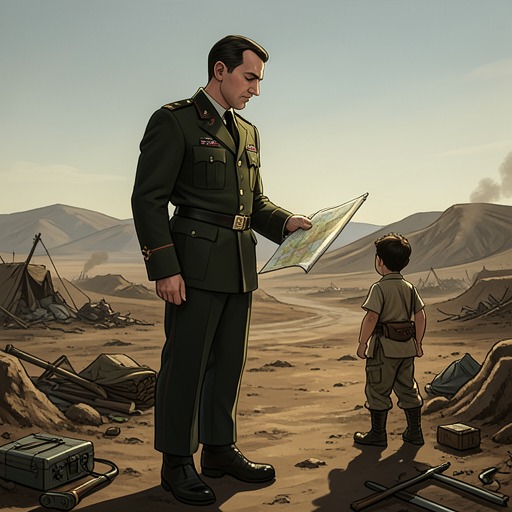
Liu Lian’s account also connects the marriage to the Commander’s accumulated standing. He had joined the Communists at fourteen to fight the Japanese, had been wounded four times by 1945, and carried two bullets from the Civil War. His medals and honours, and his age and rank, weigh heavily in her recollection. When he later knelt before her and wept, she could not bring herself to divorce a man who had given so much to the Revolution. Her continued marriage is therefore presented not as simple contentment, but as a choice bound up with gratitude, public history, and personal responsibility.
Private Reality and Disclosure
The contrast between the Commander’s public position and the private state of the marriage becomes explicit when Liu Lian tells Wu Dawang that the Commander is impotent. She further says that his first wife divorced him for that reason. This disclosure changes the meaning of Liu Lian’s apparent good fortune: being the wife of a powerful commander may make her an object of envy, but it has not given her the conjugal life she expected.
The text leaves Liu Lian’s sorrow present but not fully explained. After disclosing the Commander’s impotence, she sighs and changes the subject, turning to Wu’s ambition to become an official. Her abrupt movement from intimate pain to his career concerns shows how readily the marriage’s private difficulty is folded into practical arrangements. Her account of having once considered divorce is followed by the memory of the Commander kneeling and crying; admiration and pity, rather than desire for the marriage itself, keep her from leaving.
Wu Dawang and the Limits of Escape
Liu Lian’s marriage becomes the decisive constraint on her relationship with Wu Dawang. When Wu asks whether she would marry him, she answers that she would, but says it is impossible because her husband is the Division Commander. She makes clear that she will not ask him for a divorce. The exchange places emotional commitment and practical choice side by side: Liu Lian can acknowledge her desire for Wu while declining the action that would end her existing marriage.
Instead, she offers a form of support compatible with remaining the Commander’s wife. She promises to do whatever it takes to secure Wu’s promotion and have his family moved to the city, telling him she will make sure he gets what he wants. This promise echoes the bargain in Wu’s written pledge to Zhao Ezi, which binds his marriage to efforts to gain commendations, join the Party, become an official, and move his wife to a city. Liu Lian’s marriage thus intersects with Wu’s ambitions not by replacing his existing obligations, but by giving her influence within the household where those ambitions may be advanced.
Rank, Institutional Change, and Consequence
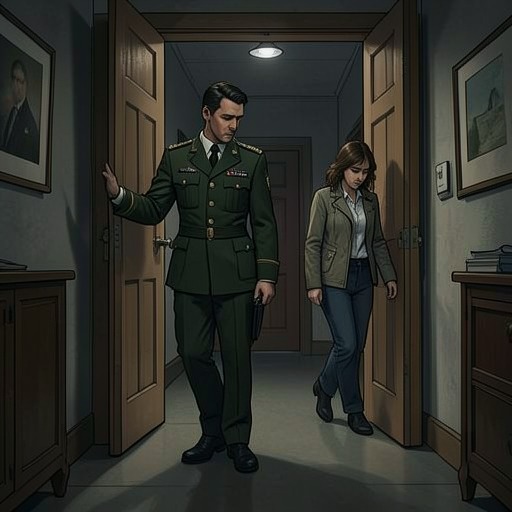
The Commander’s position governs the practical limits of Liu Lian’s choices. Later, after he volunteers to test a plan to streamline and restructure the army, his Division is set to be disbanded. Amid the resulting personnel instability, the Commander’s household sees a high turnover of orderlies, and the Commander’s temper becomes uncertain. Liu Lian tries to smooth matters over, but Wu is instructed not to return to his former post or visit the house except on pressing business. The marriage is therefore not only a private relationship: the Commander’s rank organizes access to the household and affects the course of Liu Lian and Wu’s affair.
The same institutional change closes off the possibility of an easy reunion. The Commander’s decision to volunteer for restructuring leads toward the Division’s disappearance, while Wu is offered a city job and a move for his family. Liuian’s earlier promise to help him is set against this impending separation: the household that gave her practical influence is also a place he is now told to avoid. The marriage remains intact in the evidence presented, while its consequences unfold through rank, employment, domestic access, and the lovers’ constrained choices.
Significance
Liu Lian’s marriage is defined by a persistent division between public honour and private need. The Commander’s record of service makes divorce morally difficult for her, even after she discovers the intimate fact that undermines the marriage. Her refusal to leave is not evidence that her attachment to Wu is insincere; she asks Wu whether he would marry her and admits she would marry him, yet draws a firm line at seeking a divorce.
That tension gives the marriage its importance in the novel’s web of obligations. Liu Lian’s place as the Commander’s wife restricts her future with Wu, but it also lets her offer help within the military hierarchy. Their relationship is shaped not by a clean choice between love and duty, but by the collision of personal feeling with a marriage sustained by gratitude, status, and the Commander’s revolutionary history.