
A Novel Rehearsed by Life
Serve the People!The framing voice presents fiction as a rehearsal for real events, then closes by placing the story beside an authentic political speech.
increasing Bearing strength in each event
 decreasing
Bearing strength in each eventdecreasingThe Opening Claim

Art and Fact
Fiction’s function
The narrator says that fiction can bring certain truths into view and introduces this story as resembling real people and events. The claim makes the novel’s political satire part of its subject.
Life imitating art
The narrator suggests that life has rehearsed the plot of the novel. Readers are asked to notice how political language and personal conduct can echo each other beyond the page.
A Hero by Doctrine
Official Virtue
Exemplary service
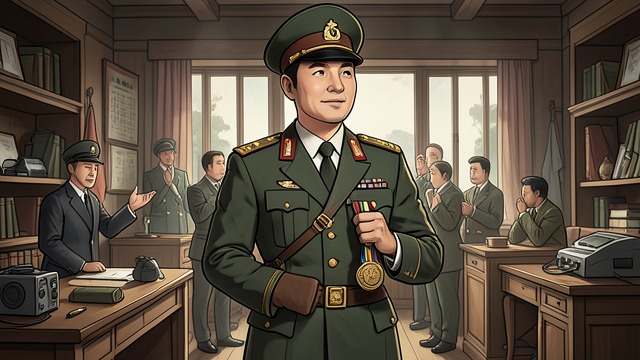
Wu Dawang’s public identity rests on awards, recitations, and disciplined labor. The army’s terms define him as a model soldier before the affair disrupts that image.
Narrative irony
The narrator’s elevated political vocabulary repeatedly frames ordinary household events as matters of state. This style exposes the distance between ideological performance and private motive.
The Affair as Theatre
Performed Roles
A maintained facade
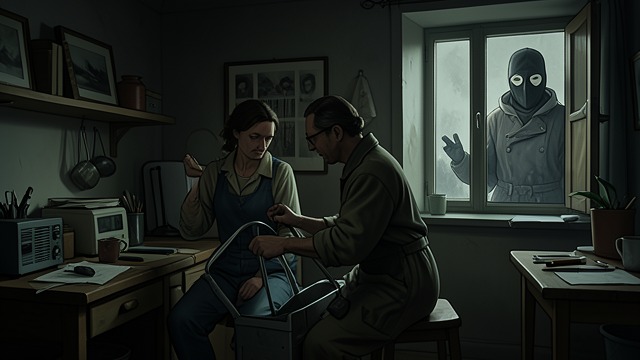
The lovers continue household chores and public routines to make the compound appear unchanged. They act as orderly and Commander’s wife before outsiders while privately living as lovers.
Roles become real
The narrator compares their conduct to theatre, but the characters become emotionally invested in the performance. Their invented domestic world begins to feel more consequential than its official setting.
The Story Turns Political
Private Plot, Public Cost
A widening frame
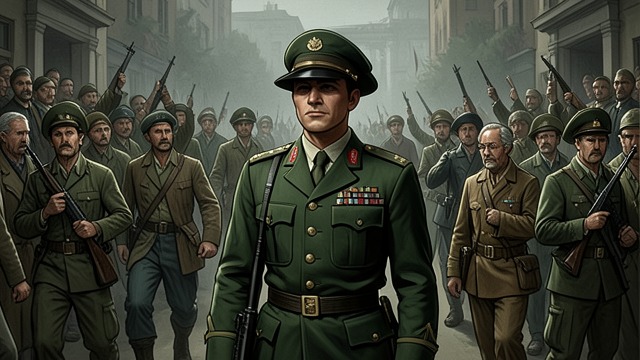
As the Division’s restructuring unfolds, the narrator links the lovers’ household to the fate of officers and soldiers across the formation. The affair no longer seems merely personal.
Uncertain causation
Wu Dawang suspects that events have been choreographed but cannot establish what the Commander knows or intends. The narrative preserves uncertainty rather than reducing the affair to a simple explanation.
The Historical Coda
A Speech After the Story
A change of register
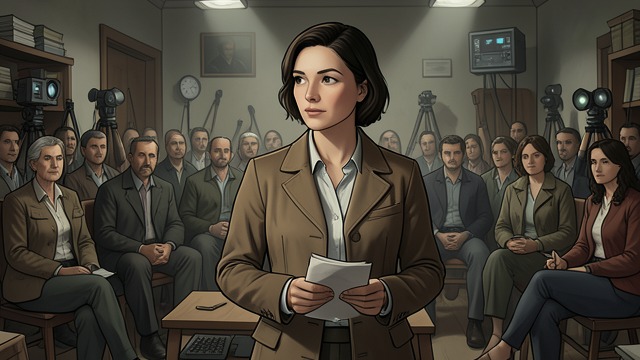
The final pages reproduce a speech about Zhang Side and service to the people. The change from comic narrative to political address asks readers to test the story against declared ideals.
Interpretation left open
The speech commends correction, care, and useful sacrifice. Its placement does not settle the novel’s moral questions; it sharpens them by setting doctrine beside the compromises just witnessed.
Before Wu Dawang appears
In the opening household scenes
After the affair has become routine
During the division’s dissolution
At the book’s end
