
The Alternatives to Chemical Warfare
Silent SpringThis flow follows the book’s final turn from broad chemical attack toward selective and biological means of control.
increasing Bearing strength in each event
 decreasing
Bearing strength in each eventdecreasingTwo Roads
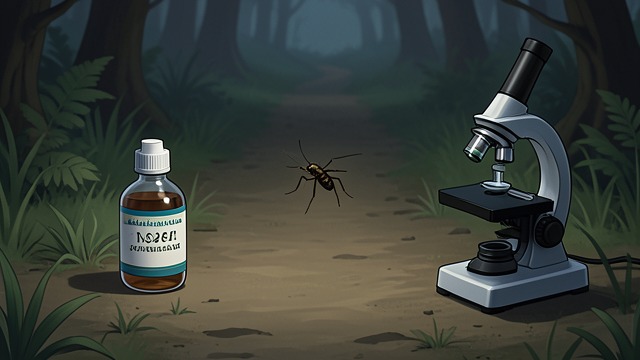
A Choice of Direction
The Easy Road
Carson describes chemical control as a fast route that promises simple results but may lead to disaster. Its apparent efficiency hides cumulative ecological costs and the risk of resistance.
The Other Road
The alternative begins with knowledge of living organisms and their relationships. It demands patience and research, but offers a chance to preserve the conditions that sustain life.
Sterile Insects Tested
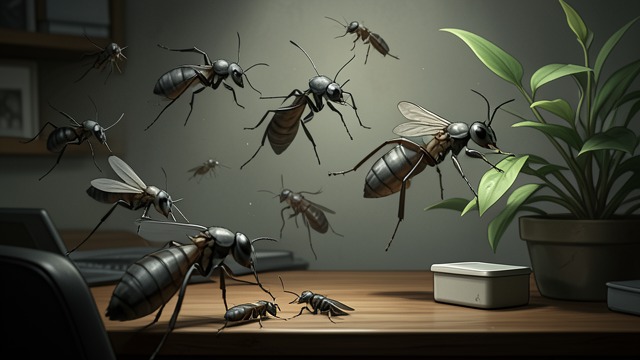
Turning Reproduction Against a Pest
A New Proposal
Edward Knipling proposed releasing sterilized males so that repeated mating with wild females would reduce future populations. Radiation offered a way to sterilize insects without poisoning an entire habitat.
A Field Demonstration
The method succeeded against screw-worm flies in Curaçao and later across the southeastern United States. Its success illustrated how biological knowledge and persistence could replace indiscriminate spraying.
Specific Microbial Control
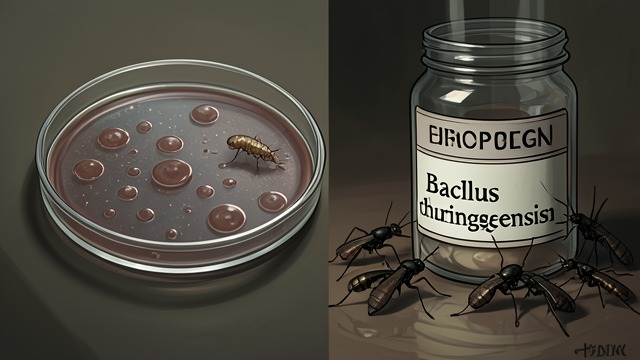
Disease as a Selective Tool
Insect Pathogens
Carson describes bacteria and viruses that attack particular insect groups. Bacillus thuringiensis could stop feeding quickly in susceptible larvae while avoiding the broad toxicity of many chemical sprays.
A Different Safety Profile
Microbial agents may be specific to their targets rather than destructive to whole communities. Their use requires research and testing, but their selectivity makes them promising alternatives.
Lures Replace Blanket Sprays
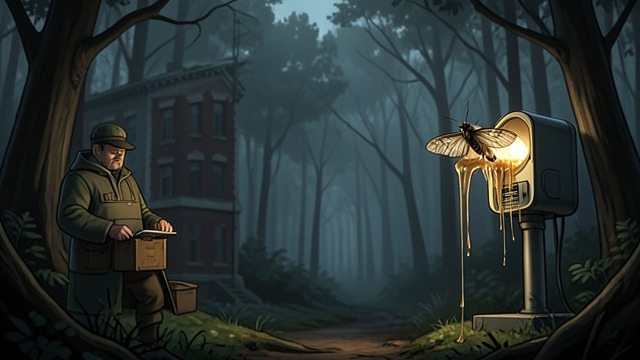
Behavior as a Control Method
Chemical Signals
Researchers synthesized attractants such as Gyplure to draw male moths into traps or disrupt their search for females. Other experiments used methyl-eugenol to attract male fruit flies to limited bait stations.
Reduced Environmental Spread
By concentrating poison in specific devices, attractant methods could avoid broadcasting chemicals across broad landscapes. The work suggested that understanding insect behavior could produce more targeted intervention.
Integrated Practice

Accommodation With Life
More Than One Method
The final chapter gathers microbial agents, parasites, predators, sterilization, and careful application into a broad alternative to chemical dependence. No single technique suits every problem.
A New Standard
Successful control should preserve the ecological relationships that limit pests naturally. Carson ends by rejecting conquest as a governing idea and asking for humility before the complexity of life.
At the opening of Chapter 17
From the mid-1950s through 1959
Field trials during the early 1960s
During experimental attractant programs
At the book’s conclusion
