
The Public Health Promise and Resistance Trap
Silent SpringThis flow follows the rise of insecticide-based disease control and the emergence of resistance that undermined it.
increasing Bearing strength in each event
 decreasing
Bearing strength in each eventdecreasingA Dramatic Early Success
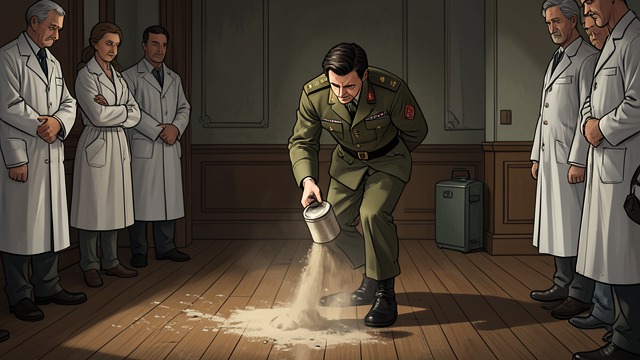
DDT Against Lice
Wartime Control
In Italy, Allied authorities used DDT dusting against lice and typhus. The intervention became one of the best-known early public-health uses of the new insecticide.
Confidence Grows
The rapid success encouraged belief that chemical treatment could bring disease vectors under control. Carson later uses this history to show how early triumphs could obscure the possibility of resistance and collateral harm.
Residual Sprays Expand
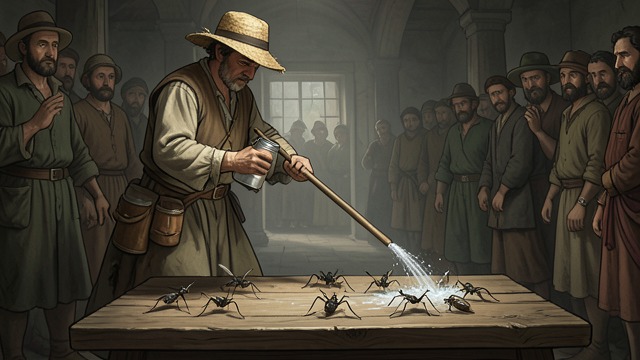
Mosquito Programs Grow
A Broader Application
Residual insecticide spraying followed the early anti-lice campaign, particularly in efforts to control malaria mosquitoes. Repeated treatment exposed large populations of insects to sustained chemical pressure.
A New Problem Appears
Within a few years, houseflies and mosquitoes began showing resistance in some locations. The success of the initial campaigns proved temporary where populations adapted.
Replacement Chemicals Lose Force

The Substitution Cycle
One Chemical After Another
Chlordane and other compounds were introduced when DDT control weakened. Each could provide a period of success before resistant insects appeared.
Resistance Spreads
By the early 1950s, multiple chemicals had become ineffective against some fly populations. The escalating cycle left control agencies increasingly dependent on new products.
Malaria Programs Face Limits

Resistance Among Vectors
A Rapid Rise
Carson cites a sharp increase in malaria mosquito species displaying resistance. Mosquitoes could avoid treated interiors or survive contact with chemicals that once killed them.
Disease Risk Returns
Where insecticide effectiveness diminished, malaria and other illnesses could reappear. The book challenges the claim that resistance is a minor technical issue, presenting it as a threat to public-health capacity.
Sanitation and New Methods
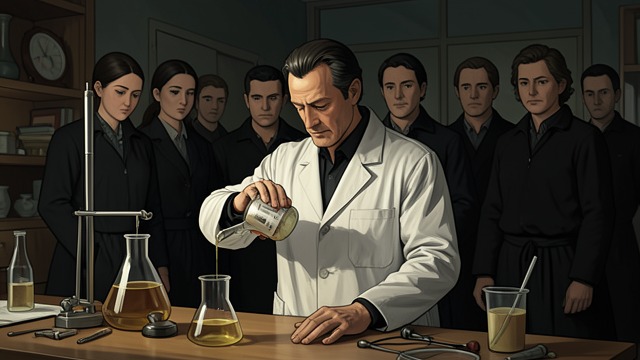
A Different Public-Health Strategy
Chemical Limits
Experts concluded that some housefly control could no longer rely on insecticides alone. Sanitation and changes to the conditions that support pests became essential.
Lessons for Disease Control
Carson argues that public health must anticipate adaptation rather than chase it with stronger poisons. Prevention and biological understanding offer more durable options than an endless sequence of replacement chemicals.
1943
From 1945 onward
Late 1940s through 1951
From 1956 to 1960
Near the close of Chapter 16
