
The Dutch Elm Disease Decision
Silent SpringThis flow traces how communities chose between spraying trees and sanitation, and the consequences of each approach.
increasing Bearing strength in each event
 decreasing
Bearing strength in each eventdecreasingA Diseased Tree and Its Carrier
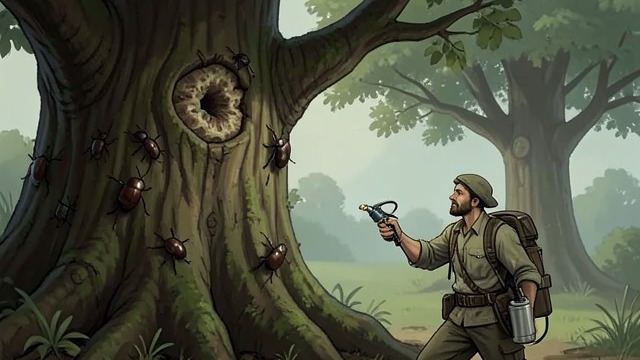
A Threat to Town Elms
Disease Transmission
A fungus spread through elm trees and was carried from diseased to healthy trees by elm bark beetles. Communities faced a serious threat to trees that shaped streets and public spaces.
A Simple Target
Because the beetle transmitted the disease, spraying appeared to offer a direct response. The plan risked treating whole neighborhoods to kill a carrier insect.
Spraying Becomes Routine
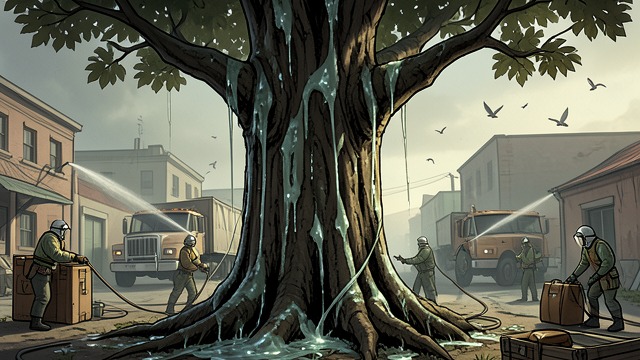
Chemical Protection Promised
Municipal Programs
Many communities, especially in the Midwest and New England, adopted intensive spraying against the beetle. The programs treated the trees as the central value to preserve.
Collateral Effects
Birds and other wildlife became unintended victims, particularly where repeated treatments contaminated food sources. The effort to save one tree species threatened other parts of the same landscape.
The Elms Keep Dying
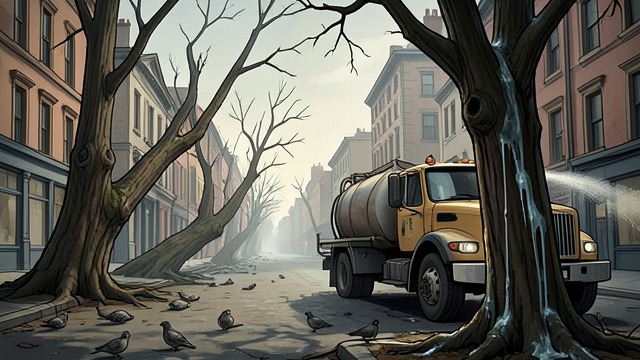
Results Disappoint
High Losses Remain
Urbana lost a large proportion of its elms despite years of spraying. Greenwich also experienced heavy disease losses after a period of regular treatments.
A False Promise
The continuing decline weakened the claim that salvation lay at the end of a spray nozzle. Communities paid heavily while birds and other organisms suffered and disease continued.
Sanitation Shows an Alternative
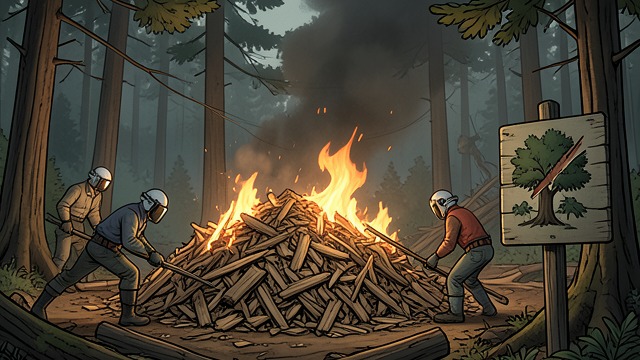
Remove Breeding Wood
Focused Intervention
New York State relied on removing diseased trees and elm wood in which beetles could breed. Burning, peeling, or properly storing the wood before spring reduced sources of disease transmission.
Better Outcomes
New York communities recorded lower disease rates without relying on blanket spraying. The method required knowledge of beetle behavior but could preserve more of the surrounding ecological community.
Neither Birds Nor Elms Need Be Sacrificed
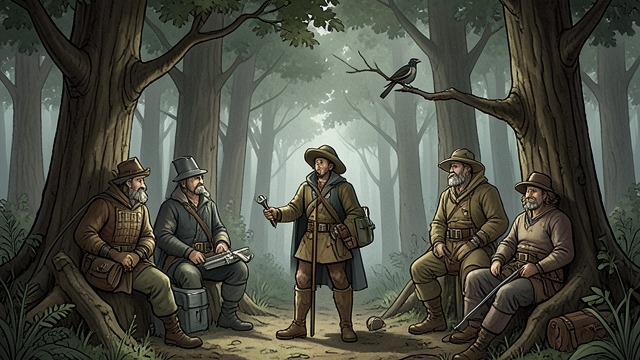
Reframing the Choice
Beyond a False Dilemma
The public debate often sounded like a choice between birds and elms. Carson argues that spraying could end by saving neither, while sanitation offered a more informed response.
Variety and Resilience
Replanting a diversity of trees could reduce vulnerability to future disease. The conflict ultimately concerns whether communities manage landscapes as living systems or as collections of isolated targets.
After Dutch elm disease reached the United States
During the 1950s
By 1959 in several sprayed communities
As New York State’s experience accumulated
Near the end of Chapter 8
