
The River of Poison at Austin
Silent SpringThis flow follows insecticide waste from industrial sewers into the Colorado River and downstream fisheries.
increasing Bearing strength in each event
 decreasing
Bearing strength in each eventdecreasingA Sudden Fish Kill

Dead Fish Appear
The First Discovery
Dead fish appeared in Town Lake and the Colorado River below Austin after none had been reported the previous day. Soon reports indicated that the kill was moving downstream.
A Traveling Hazard
The advancing wave suggested contamination moving with the river rather than a local disease. Investigators faced an urgent task: identify the substance before it reached more waters.
The Sewer Trail
Following the Odor
Industrial Clues
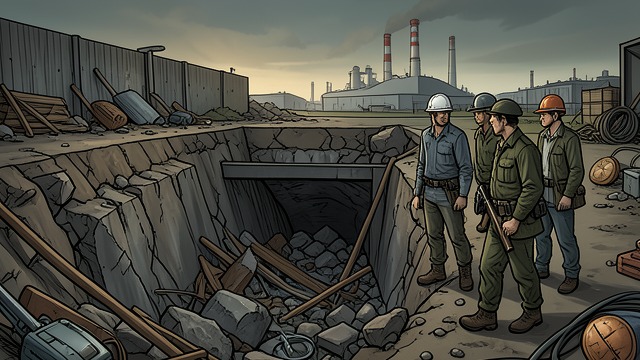
Game and fish investigators traced an insecticide odor from a storm sewer toward a chemical plant. The plant acknowledged that insecticide residues had entered the sewer system over a long period.
A Hidden Deposit
The sewer contained accumulated gravel, sand, and rubble where residues could remain. The source had not necessarily been a single recent discharge but years of routine disposal.
A Flush Releases the Poison
Debris Removal Becomes a Trigger
The Sewer Is Cleared
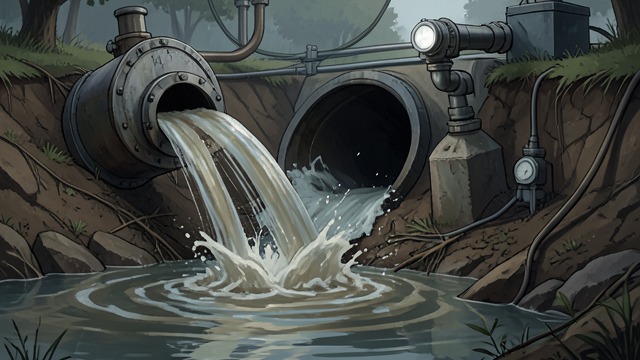
Several million gallons of high-pressure water were used to flush the storm-sewer system. The operation likely dislodged insecticides that had accumulated in the debris.
A Lethal Discharge
The residues entered Town Lake and then the river, carrying poison downstream. A maintenance action transformed long-standing contamination into an acute environmental disaster.
The River Loses Its Fish
A Hundred-Mile Impact
A Broad Kill
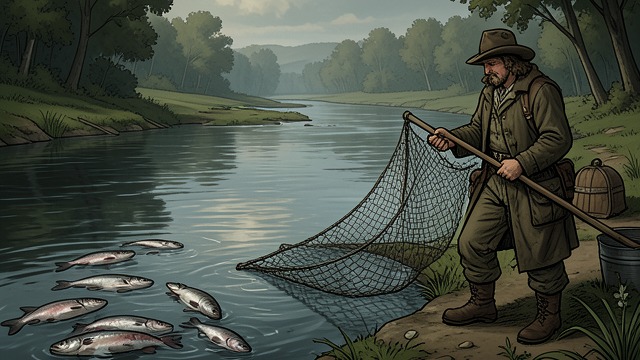
The toxic wave continued far downstream, killing fish from many species. Seines used afterward found empty stretches where a varied fish community had lived.
Long Recovery Expected
Officials expected the population pattern to remain altered for years. Some species at the edge of their natural range might not return without extensive stocking.
The Bay Is Protected, the Gulf Receives the Waste

A Consequence Beyond the River
Diversion From the Estuary
Authorities closed locks to keep the toxic water from Matagorda Bay, whose fisheries included oysters and shrimp. The contaminated outflow was diverted toward the Gulf of Mexico.
The Unanswered Reach
Carson asks what effects the toxic water had in open marine waters and what other rivers carried toward the sea. The event turns one river disaster into a question about cumulative coastal exposure.
January 15, 1961
During the week after the first deaths
A few days before the fish kill
Late January 1961
By the end of January 1961
