
From Eradication to Biological Control
Silent SpringThis flow traces the book’s challenge to eradication campaigns and its contrasting examples of durable biological control.
increasing Bearing strength in each event
 decreasing
Bearing strength in each eventdecreasingEradication Becomes a Promise
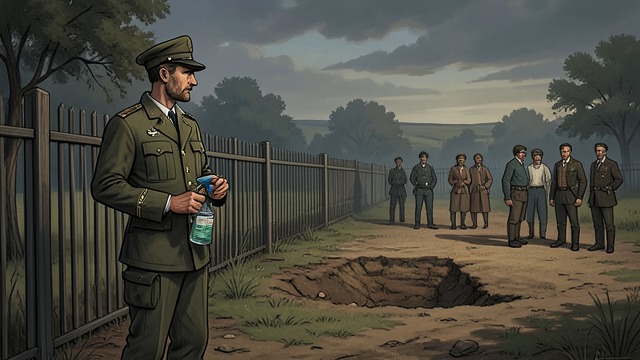
The Appeal of Finality
A Simple Objective
Government programs promised to eradicate pests through large-scale chemical treatment. The language suggested that a complex biological problem could be permanently removed by a single campaign.
Repeated Eradications
When the target returned, agencies sometimes announced another eradication effort. Carson points out the contradiction in claiming final success while repeatedly treating the same species.
The Klamath Weed Is Controlled
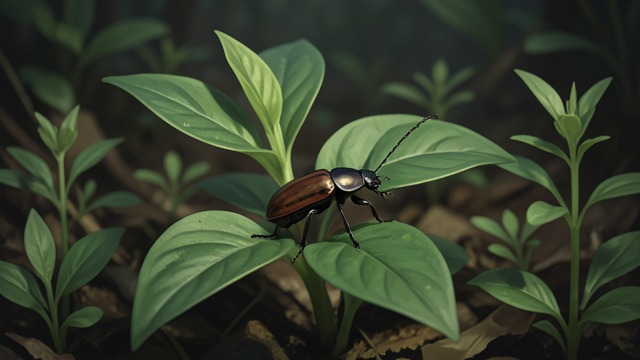
A Biological Importation
A Plant-Eating Beetle
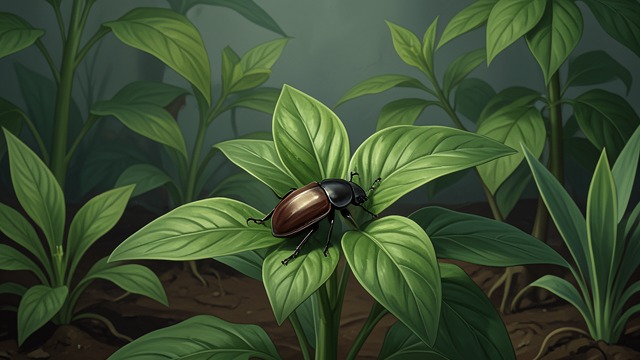
Researchers brought beetles from Europe to attack Klamath weed in California. The insects fed and reproduced on the plant, thinning its stands while allowing desirable range plants to return.
A Durable Result
A decade-long survey found the weed reduced to a small fraction of its former abundance. A limited remnant remained useful by supporting the beetle population that helped prevent renewed spread.
Australia’s Prickly Pear Retreat
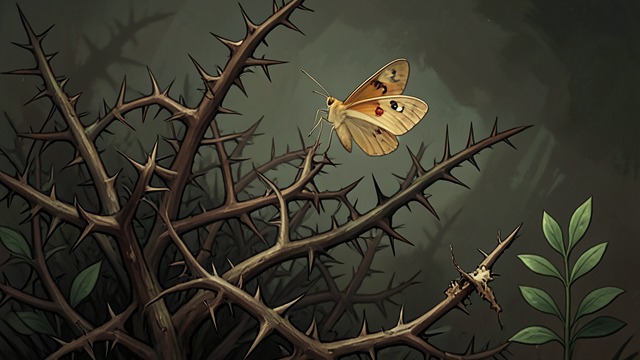
A Vast Invasion Reversed
A Continent-Sized Problem
Prickly pear spread across tens of millions of acres in Australia, making large areas difficult to use. Earlier chemical efforts had been costly and unsatisfactory.
A Moth Provides Control
After researchers studied natural enemies in the plant’s native range, an Argentine moth was released. Within years, dense growths had been destroyed at far lower cost than chemical treatment.
California’s Scale Control Is Undone
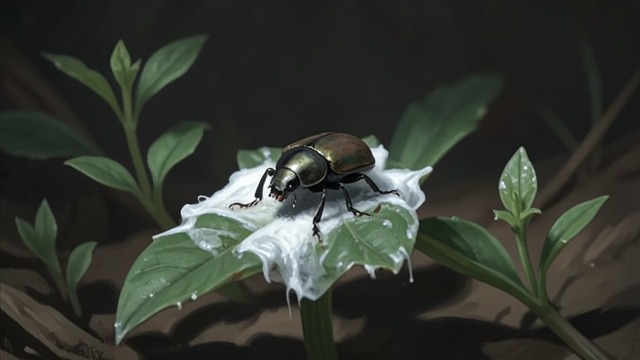
A Lady Beetle’s Success
The Vedalia Campaign
Albert Koebele brought the vedalia beetle from Australia to control cottony cushion scale threatening California citrus. Within a few years, the scale was under control across growing areas.
Chemicals Reverse the Gain
Later insecticide use eliminated many vedalia populations. The scale returned, demonstrating how a successful natural-control system could be destroyed by treatments aimed at other insects.
Control Means Working With Nature
A Lasting Alternative
Selectivity and Persistence
Biological controls may be inexpensive, durable, and free of poisonous residues, though they require careful research and ecological understanding. Their power comes from relationships already present in nature.
A New Measure of Success
Carson contrasts lasting population management with repeated chemical rescue attempts. The final standard is whether a control method solves a problem without damaging the systems that make future life possible.
During large pest programs of the 1950s
From 1944 through the 1950s
From 1920 through 1937
From the 1880s through the 1940s
At the conclusion of Chapter 17
