British Trust for Ornithology
Silent SpringThe British Trust for Ornithology appears in Rachel Carson’s account as a recipient and recorder of reports about widespread bird deaths in Britain after insecticides were added to agricultural seed treatments. Its collaboration with the Royal Society for the Protection of Birds helped turn scattered reports into a documented record of poisoning, including a joint tally of 67 bird kills in the spring of 1960.
Role in the Reports of Bird Deaths
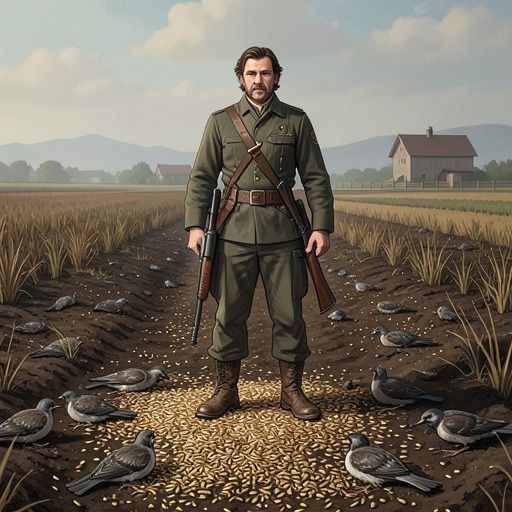
In the spring of 1960, reports of dead birds reached British wildlife authorities and organizations, including the British Trust for Ornithology. The reports followed a change in seed treatment: around 1956, insecticides such as dieldrin, aldrin, or heptachlor had begun to be added alongside fungicide to combat soil insects. Carson presents this change as the point after which the situation worsened.
The reports conveyed the effects across several kinds of birds and locations. A landowner in Norfolk described numerous dead birds on his property, while further accounts included deaths among partridges and other birds. The Trust’s significance in this episode lies in its place within the network receiving such local evidence, rather than in any single reported incident attributed to the organization alone.
Joint Record and Findings
The British Trust for Ornithology and the Royal Society for the Protection of Birds prepared a joint report listing 67 bird kills in the spring of 1960. The book emphasizes that the list was far from complete, so the total represents a documented portion of the destruction, not a comprehensive count.
The report associated 59 of the 67 recorded kills with seed dressings and eight with toxic sprays. This distinction made the agricultural treatment itself visible as a major pathway in the reported deaths. By gathering separate incidents into a shared record, the two organizations provided evidence that the losses were not confined to an isolated property or a single kind of application.
Renewed Losses in 1961
The account describes a further wave of poisoning the following year. Reports included 600 birds dying on one Norfolk estate and 100 pheasants dying elsewhere. These later figures show that the 1960 record did not mark a settled or completed episode; bird deaths continued to be reported in 1961.
Carson’s portrayal places the Trust within a broader effort to make the consequences of pesticide use legible through reports and compiled evidence. The incomplete tally, its breakdown by treatment type, and the renewed losses together frame the organization’s role as part of the documentation of a continuing wildlife problem.