FDA pesticide-residue tolerance system
Silent SpringThe FDA pesticide-residue tolerance system is a regulatory framework for setting maximum permissible levels of pesticide contamination in food. In Rachel Carson’s account, however, a permitted residue is not the same as a demonstrated safe exposure: limits are based on incomplete information, enforcement leaves most interstate food shipments uninspected, and people encounter mixtures of chemicals from multiple sources. The system’s decisive weakness is the gap between the apparent certainty of a numerical tolerance and the unknowable, cumulative exposure it is supposed to govern.
Purpose and operation
The Food and Drug Administration establishes maximum permissible contamination limits known as tolerances. If a farmer follows the instructions on a pesticide label, agricultural use is supposed to produce residues no greater than those permitted by the agency. Yet Carson stresses that this assurance addresses only the level of a particular chemical on a particular food, not the full range of chemicals a person may consume or otherwise encounter.
The reach of the system is also constrained by jurisdiction and enforcement. The agency’s authority is limited, and its facilities are too few to inspect food shipments at a level that would produce statistically significant coverage. More than 99 percent of interstate food shipments pass without inspection. Food produced and sold within a state is less reliably covered still, because many states have inadequate laws. A tolerance may therefore look like an enforceable safeguard while leaving the great majority of food outside effective scrutiny.
The gap between a limit and actual exposure
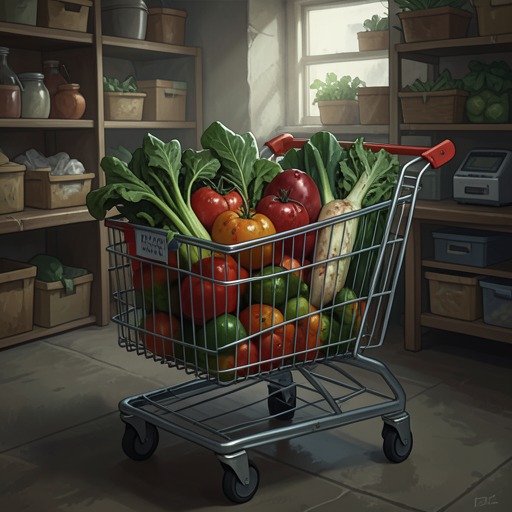
The system evaluates residues chemical by chemical, but human exposure does not arrive in such orderly units. A meal might include lettuce with seven parts per million of DDT and other foods bearing their own allowable residues; food residues, in turn, may represent only a portion of a person’s total exposure. The combined intake from different foods and other sources is difficult or impossible to measure, so the safety of one specified residue cannot establish the safety of the whole exposure.
This problem is intensified by accumulation in the body. DDT storage begins with very small intake, including residues present on foodstuffs, and continues as the chemical is slowly excreted. Because DDT is fat-soluble, it collects in fatty tissues and organs; these stores can magnify the amount retained relative to the amount consumed. Carson connects this cumulative storage to the risk of chronic poisoning and degenerative changes in the liver and other organs. A tolerance that considers a single portion of food cannot by itself account for this continuing accumulation.
Nor do chemicals necessarily act independently after exposure. Food and Drug Administration scientists found that simultaneous administration of malathion and certain other organic phosphates could produce poisoning up to 50 times as severe as predicted by adding the separate effects together. Carson uses this finding to show why a system that considers isolated chemicals or residues may miss the consequences of combinations. People are not laboratory animals exposed under rigidly controlled conditions: their exposures are multiple, often unknown, and not readily measured or controlled.
Defects and reversals in regulation
Carson identifies several ways in which tolerances can create paper security rather than reliable protection. Some have been established against the better judgment of agency scientists; others rest on inadequate knowledge of the chemical involved. Later information may lead to a tolerance being reduced or withdrawn, but such correction comes only after the earlier limit has already shaped permitted use and consumer expectations.
The uncertainty is not merely theoretical. Research into heptachlor’s properties followed rather than preceded a control program, and the basic facts prompting concern were already available in published research. The episode illustrates a broader weakness: regulatory action can proceed before relevant knowledge is gathered or applied. A numerical limit can then convey assurance without a sufficiently informed basis for it.
Who bears the costs
In Carson’s analysis, tolerances do more than regulate contamination; they authorize a certain amount of it. The system permits poisonous chemicals in public food supplies so farmers and processors can benefit from cheaper production, then requires consumers to support a policing agency intended to prevent a lethal dose. The costs and benefits are divided unevenly: agricultural and processing advantages are immediate, while the consumer bears exposure and finances the attempt to monitor it.
Carson questions whether any level of poison on food should be treated as acceptable, especially when a person’s total exposure cannot be calculated. She also notes that certain chemicals, including heptachlor, endrin, and dieldrin, have been subject to zero tolerances on particular crops. Such prohibitions offer an alternative to permitting residues, but a zero tolerance on paper is of limited value when inspection is so sparse. She calls for a more vigilant and aggressive Food and Drug Administration, with substantially greater capacity, while making clear that a stricter written rule alone cannot solve the enforcement problem.
Significance
The tolerance system’s central contradiction is that it turns an uncertain, mixed, and cumulative biological exposure into a set of apparently precise permitted quantities. Its limits can authorize residues without establishing that the combined exposure is safe; its enforcement cannot reliably verify compliance across the food supply; and its later revisions reveal how provisional the underlying knowledge may be. Carson’s criticism is not simply that a particular tolerance might be too high. It is that the framework encourages confidence in isolated numerical limits where the real conditions of exposure are interconnected and difficult to know.