Syracuse
Silent SpringSyracuse is presented as a striking example of how sustained sanitation could contain Dutch elm disease without resorting to broad chemical treatment. After losing nearly 3,000 elms in six years, the city removed diseased trees and likely breeding sources for the elm bark beetle; annual losses subsequently fell well below 1 percent.
Disease and the city’s losses
Before 1957, Syracuse had no effective program against Dutch elm disease. Between 1951 and 1956, it lost nearly 3,000 elms, a rapid decline that made the absence of organized control consequential. The city’s experience thus establishes the scale of the problem before the intervention and gives a clear basis for judging what followed.
A sanitation program
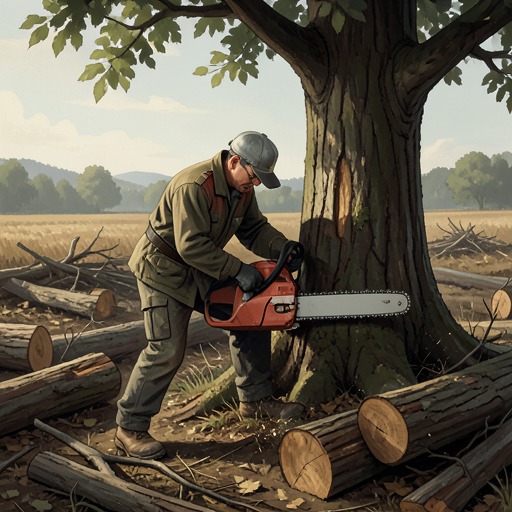
Under the direction of Howard C. Miller of the New York State University College of Forestry, Syracuse undertook an intensive campaign in 1957. The effort targeted both diseased elm trees and possible sources of beetle-breeding elm wood. By removing infected trees and material that could support the insect responsible for spreading the disease, the program addressed its transmission rather than attempting to eliminate vegetation indiscriminately.
Results and significance
After the campaign, Syracuse’s annual elm losses fell to well below 1 percent. The contrast with the nearly 3,000 trees lost in 1951–56 makes the result particularly compelling: control did not require wholesale destruction of the city’s elms. In the book’s comparison of disease-management approaches, Syracuse shows how targeted sanitation could slow losses while preserving the urban tree population.