
Public Judgment and Private Desire
Simple PassionTraces the pressure between the narrator’s private sexual life and the social conventions that make its disclosure feel dangerous.
increasing Bearing strength in each event
 decreasing
Bearing strength in each eventdecreasingA Confession at the Salon
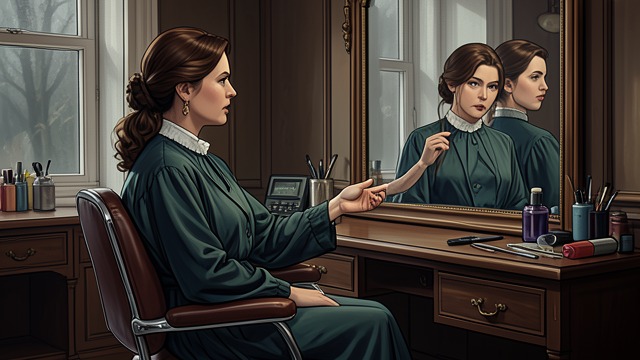
A Confession at the Salon
An Observed Reaction
A woman at the hairdresser’s announces she is being treated for her nerves.
The staff respond with distance, as if disclosure proves her abnormality.
Fear of Naming Passion
The narrator imagines receiving the same judgment if she names her affair.
Social reaction makes silence feel like self-protection.
The Hidden Relationship
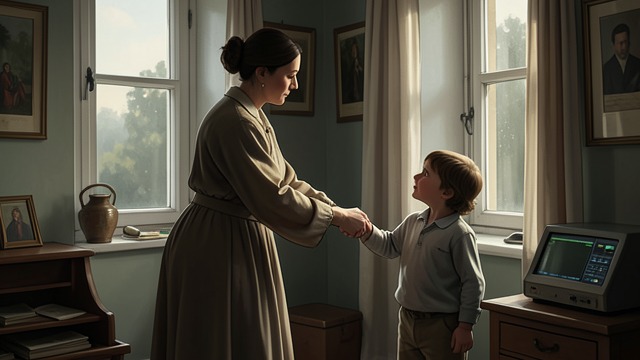
The Hidden Relationship
Controlled Information
The narrator gives her sons only the practical arrangements necessary for A’s visits.
She prefers to keep her children outside the sexual truth of her life.
Family Boundaries
She connects this secrecy to a broader difficulty between parents and children.
Intimacy remains real even when those closest cannot fully witness it.
Women’s Magazine Judgment
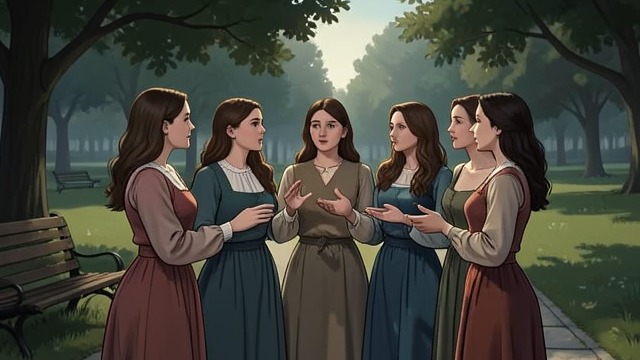
Women’s Magazine Judgment
A Condemning Panel
The narrator recalls young people criticizing their mothers’ love affairs.
One girl reduces a mother’s lovers to instruments of escape into dreams.
A Different Measure
The narrator finds the judgment insufficient and asks who could demand more.
The question defends the value of lived desire against respectability.
Publication Anxiety
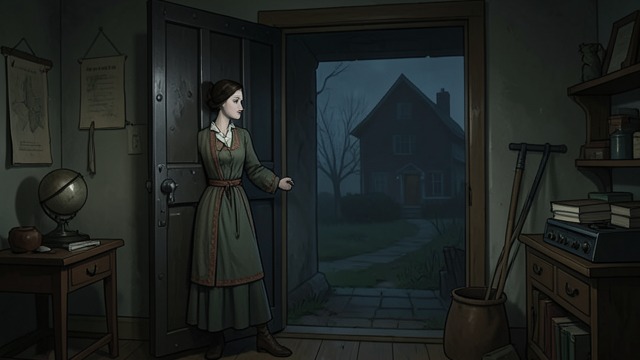
Publication Anxiety
Private Certainty
While the pages remain handwritten and personal, the narrator can treat them as harmless.
Her passion once felt similarly free of future consequences.
The Reader Arrives
Publication brings her nearer to social judgment and demands for explanation.
The prospect threatens to turn unguarded experience into a defensible case.
The Refusal to Justify
The Refusal to Justify
No Search for Causes
The narrator rejects an account that would trace passion to childhood or diagnose it as disorder.
Explanation, she fears, could imply that the experience was a mistake.
Description as Position
She chooses to describe what happened without asking permission for it.
The form resists moral judgment while making private experience public.
during the affair
during the narrator’s meetings with A
after A’s departure
after completing the first manuscript pages
in the book’s closing reflections
