Kim’s Childhood Cycle of Friday-Night Domestic Violence
SpontaneousKimani Cannon’s childhood cycle of Friday-night domestic violence made weekends a source of dread rather than relief. Her father’s drinking and beatings were followed by apologies and temporary tenderness, while Kimani cared for her mother’s injuries and watched the family try to resume its ordinary life. The pattern shaped both Kimani’s ambitions and her later difficulty accepting her mother’s insistence that forgiveness was necessary for moving on.
The Weekly Pattern
Fairs were among the few places where Kimani remembered her father as behaving normally. After taking the family to one, he might stay sober for several weeks; eventually, however, Friday nights returned to their familiar course. He finished work, went to a nearby bar with his friends, and relied on someone in the group to bring him home so he would not drive. That intervention prevented him from driving drunk, but it did not protect his family from what followed.
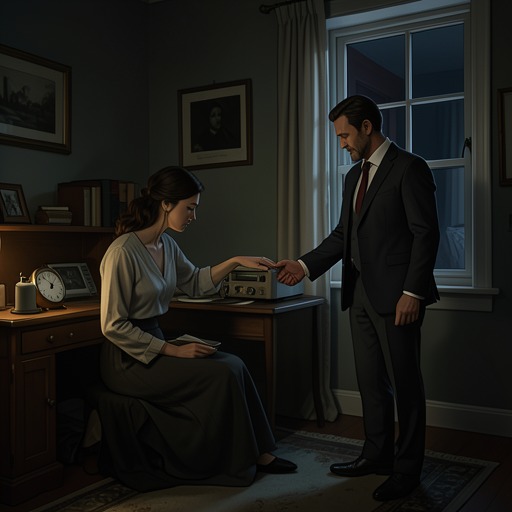
Kimani wished his friends had taken him to a hotel instead. When they brought him home, he beat Wynona Cannon-Longleaf-Higgins-Gunter. The violence did not end with the night: Kimani’s father slept late on Saturday while his daughter bandaged her mother’s wounds. Around noon, he would wake, see the bruises, apologize, and promise it would not happen again. He then resumed the role of loving husband and father, and Wynona, eager to believe the best of him, eventually forgave him. The sequence—drinking, violence, injury, apology, and renewed forgiveness—repeated often enough that Kimani came to dread Fridays while other children looked forward to the weekend.
Kimani’s Burden and Interrupted Ambition
As a child, Kimani was drawn into the consequences of her father’s violence as a caregiver. She later described tending the bruises Wynona suffered at his hands. During Kimani’s senior year of high school, one beating sent her mother to the emergency room. That crisis became a turning point for Wynona: in tears, she told Kimani she had decided that no man would beat her again, and that she did not want her daughter to learn that physical abuse was something a woman had to tolerate.
The violence also collided with Kimani’s long-held ambition to become a doctor. Wynona worked extra hours and saved money to help make that future possible. When it was time for Kimani to go to college, however, her father took the savings from their bank account. The theft of the money turned a dream he knew about into another casualty of his actions, compounding the harm beyond the injuries Kimani helped treat at home.
Wynona eventually found the strength to leave her husband, but Kimani believed her mother still held on to the idea that a woman needed a man to survive. In Kimani’s account, that belief contributed to her mother’s later marriages to three stepfathers. None treated Wynona abusively as her first husband had, but Kimani considered the relationships lacking in substance, and none lasted more than a year or two.
Memory, Forgiveness, and Family Difference
As an adult, Kimani explained the Friday-night pattern to Duan Jeffries while they were walking together. The fairs remained part of the memory, but so did the contrast between the rare periods when her father seemed normal and the violence that resumed afterward. Kimani told Duan that weekends had not meant freedom from school; they meant anticipating what would happen at home, then dressing her mother’s wounds the next morning. She said that the experience had left her with little ease around forgiveness, a point her mother did not seem to understand.
The conversation also brought the two families’ histories into comparison. Duan Jeffries told Kimani that he had been angry when his mother abandoned her husband and children, and that he had taken on responsibility for his younger brother, Terrence Jeffries, while Olivia Jeffries Westmoreland tried to fill their mother’s place. He admired their father, Orin Jeffries, for raising the children without complaint. Kimani’s account of violence and Duan’s account of abandonment were different injuries, but each disclosed the lasting work children had taken on when a parent failed the family.
That difference also informed their views of forgiveness. Duan had searched for his mother as an adult hoping to tell her he had forgiven her and find closure, but the encounter did not bring the reconciliation he had sought. Kimani, by contrast, remained unwilling to treat forgiveness as an easy next step. Later, Wynona urged her to forgive her father, saying that she had done so herself and regarded him as part of a past she would not repeat. Kimani questioned whether Wynona could be sure of the man she now loved, showing how her childhood had made reassurance about a partner’s character difficult to accept at face value.
The Pattern’s Adult Echo
Wynona’s later relationship with Edward Villarosas brought a new, distinct danger into the family’s story. While in Las Vegas with him, she called Kimani from a stranger’s phone at a fast-food restaurant after her own phone’s battery died. Edward had accused her of wanting to contact Bennie and, after arriving in Las Vegas, began accusing her of having an affair with him. Kimani told her mother not to return to Edward’s car and to call emergency services. Wynona initially minimized the situation, suggesting that Edward only needed time to think about what he was saying.
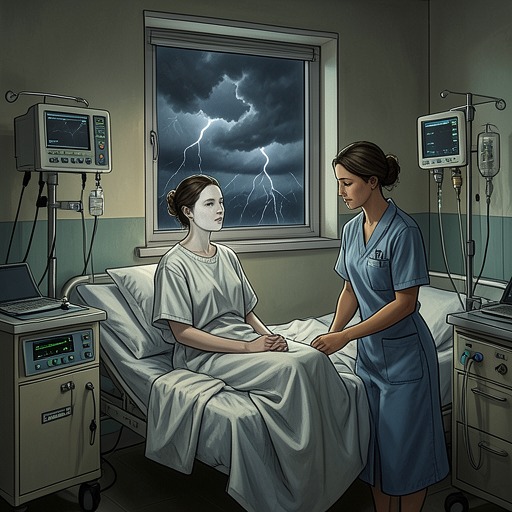
This episode did not repeat the childhood beatings: the evidence describes accusations and a frightening attempt to seek help, not physical violence. Its significance lies in the contrast between Wynona’s childhood marriage, which Kimani remembered as a cycle of abuse and apology, and her later hope that a new partner would make her happy. After Wynona returned to Shreveport on a law-enforcement plane and was sedated to rest, Kimani stayed beside her and arranged extra time away from work to care for her. She wondered whether her mother would recognize that happiness could not depend entirely on another person. Kimani also understood that she would have to face her own coming separation from Duan Jeffries, carrying the family’s unresolved history of harm and forgiveness into her understanding of love.