
Laughing at the Human Condition
Stranger in a Strange LandThis thread traces Smith’s long failure to laugh and the painful discovery through which he finally understands laughter as a human response to suffering.
increasing Bearing strength in each event
 decreasing
Bearing strength in each eventdecreasingAn Unfamiliar Sound
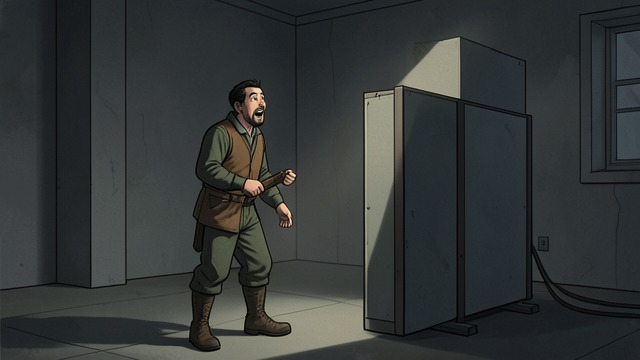
Laughter as Noise
A frightening reaction
Smith hears humans laugh before he understands what the sound means. He copies it awkwardly, but the result is distressing rather than joyful.
A missing piece
Harshaw tells him that laughter belongs to human identity. Smith stores the lesson, unable to grasp why people would respond to an event with laughter instead of solemn analysis.
A Joke Without Fiction
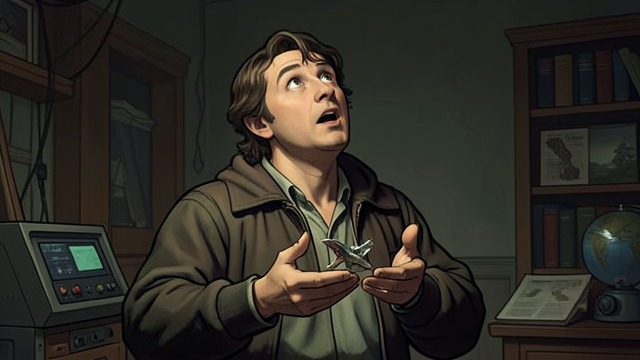
Literal Learning
Stories mistaken for history
Smith reads Shakespeare and assumes the characters lived. Harshaw struggles to explain fiction because Smith has no Martian concept to anchor it.
Meaning does not arrive on command
The episode shows that recall and intelligence do not guarantee understanding. Smith must wait for concepts to become meaningful through experience.
The Human Injustice

A Pattern of Pain
Repeated wrongness
Smith encounters cruelty, hierarchy, and everyday injustices across books and lived experience. He can identify them as painful but still does not understand why people sometimes laugh.
A question without an answer
He suspects that human humor must arise from something his Martian education could not provide. The unresolved question persists as he studies religion and society.
The Monkeys’ Cycle
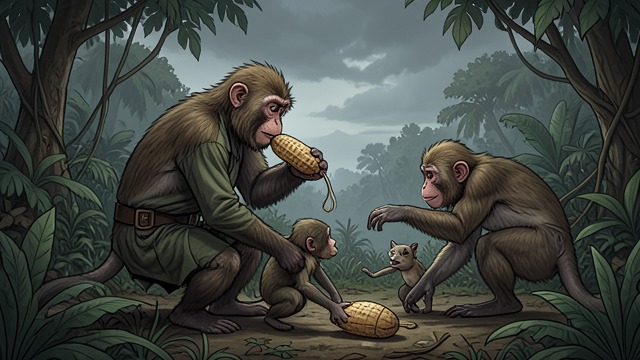
Pain Repeated Downward
A chain of injury
A larger capuchin takes a peanut and beats a smaller monkey. The victim then attacks a still smaller animal, repeating the violence through the group.
Recognition breaks through
Smith suddenly sees human cruelty reflected in the animals’ behavior. The recognition hurts so sharply that he laughs uncontrollably, frightening Gillian and nearby visitors.
Laughter as Courage
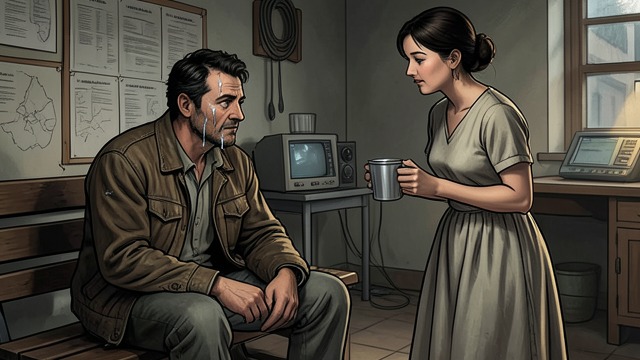
A Painful Diploma
A new interpretation
Smith tells Gillian that people laugh because pain and sorrow become otherwise unbearable. Laughter does not make suffering harmless; it lets people endure and share it.
Becoming human
He finally understands laughter as a human response to tragedy, not merely to pleasant events. The insight completes a central part of his education without making him less alien in every other respect.
During Smith’s first days on Earth
During Smith’s early studies with Harshaw
During Smith’s later study of human society
At Golden Gate Park near the end
Immediately after Smith returns from the zoo
