
The Martian Model and Human Limits
Stranger in a Strange LandThis thread follows the contrast between Martian social assumptions and human experience as Smith’s attempt to translate one society into another changes.
increasing Bearing strength in each event
 decreasing
Bearing strength in each eventdecreasingA Different Social Species
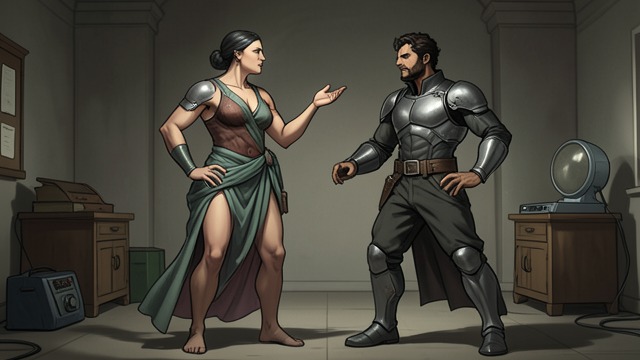
Opposite Reproductive Worlds
Different bodies and roles
Martian nymphs and adults occupy sharply different life stages, and the species has no human-style marriage or sexual psychology. Human assumptions cannot simply be transferred to them.
A warning against analogy
The contrast explains Smith’s alien perspective without making it a universal template. His upbringing gives him extraordinary tools but does not make every Martian custom suitable for Earth.
No Property on Mars
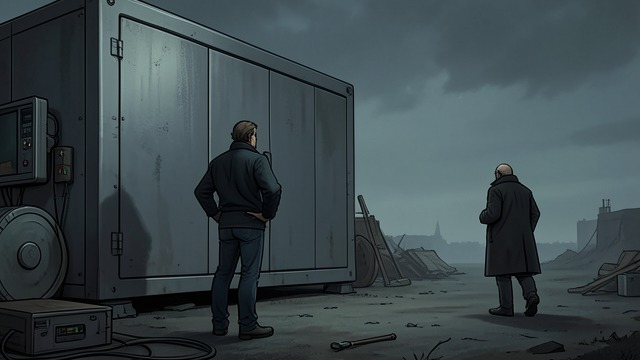
Ownership as an Earthly Abstraction
A difficult concept
Smith struggles to understand why humans treat money and property as extensions of identity. On Mars, the Old Ones’ presence makes individual ownership seem unnecessary.
Wealth as a trap
His inheritance could distort his life and invite competing claimants. Harshaw recognizes that legal control of the fortune matters less than keeping it from becoming a means of imprisoning Smith.
Words Make Maps
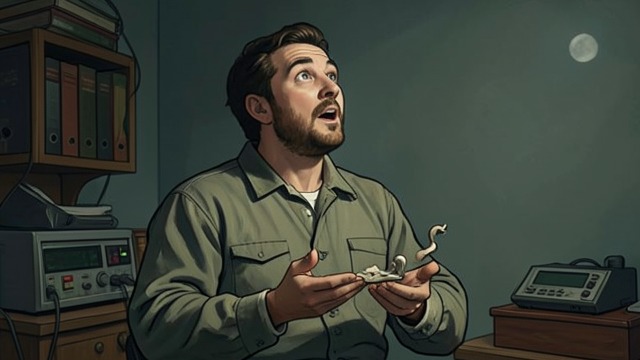
Language Shapes Thought
More than vocabulary
Mahmoud describes Martian as a radically different map of the universe. A word such as “grok” joins meanings that English separates into understanding, feeling, and identification.
Translation remains partial
English can communicate events but cannot reproduce the conceptual world behind them. Learning Martian therefore requires a change in thought, not merely memorizing equivalent words.
An Earthly Discipline
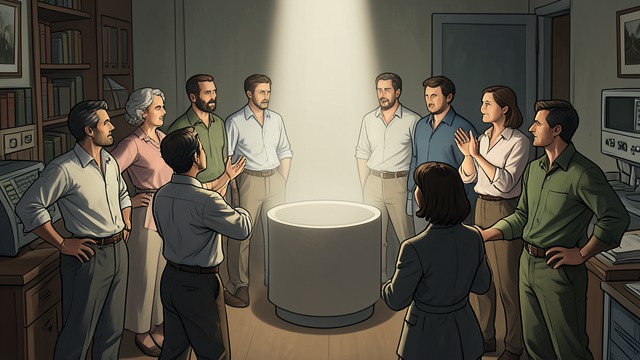
Adaptation Rather Than Copying
A practical method
Smith’s community teaches study, self-control, and shared responsibility. It does not ask members simply to imitate Martians or accept Smith’s authority by faith.
Human difference persists
The discipline must account for human bodies, competition, and history. Smith gradually learns that a correct principle can produce different outcomes when the underlying lives are different.
The Limits of Reform
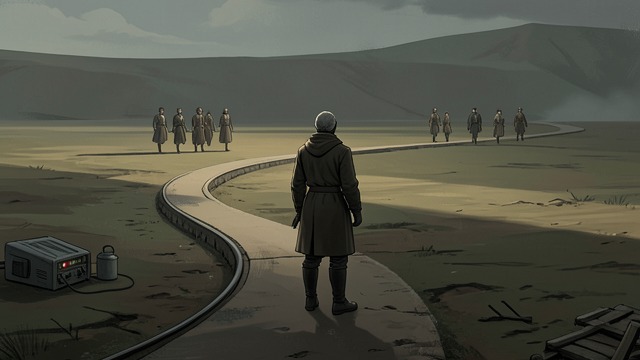
A Teacher Revises His Theory
Human resistance
Smith recognizes that his followers are few and that humans may not accept his teaching at the rate he expected. His early hope that Martian harmony could spread easily proves incomplete.
Waiting instead of conquest
Harshaw reminds him that the movement’s small success is not proof of failure. Smith returns to patience, accepting that human change must proceed through freely chosen discipline.
When the novel explains life on Mars
During Harshaw’s lessons about Smith’s inheritance
During Mahmoud’s language discussions
During the founding of the Church of All Worlds
Near the ending, during Smith’s confession to Harshaw
