
Lewis and Barfield's Great War
Surprised by JoyThis thread traces an enduring friendship of argument that challenged Lewis's assumptions about history, knowledge, and the nature of mind.
increasing Bearing strength in each event
 decreasing
Bearing strength in each eventdecreasingThe Antiself Appears
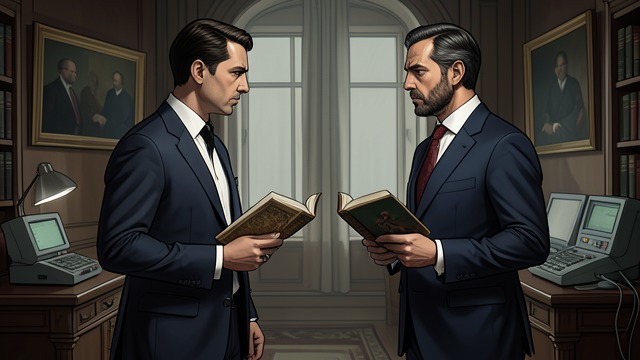
The Antiself Appears
Difference Within Friendship
Lewis described Barfield as a friend who shared his interests but approached nearly every book from a different angle. Their conversations were marked by persistent disagreement rather than easy agreement.
Productive Opposition
The debates fascinated and irritated both men. Lewis came to see that their differences could create a community of thought rather than merely divide them.
Anthroposophy Divides Them
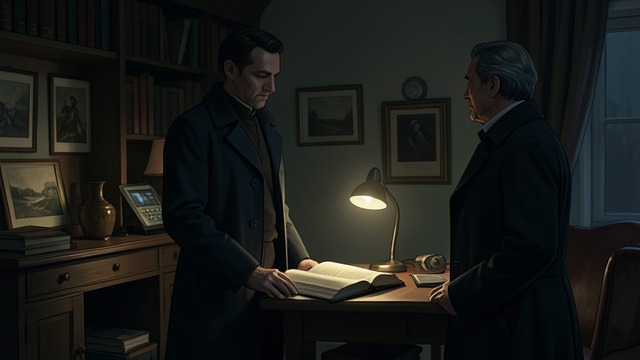
Anthroposophy Divides Them
A Shock to Lewis
Barfield and Harwood embraced Steiner's doctrines, which seemed to Lewis to revive the supernatural speculation he had tried to exclude. His surprise was intensified by their importance as close friends.
Disputation Begins
Lewis argued against the new beliefs with anger and suspicion. Barfield did not retaliate in kind, allowing their disagreement to become a long intellectual contest rather than a personal rupture.
Chronological Snobbery Challenged
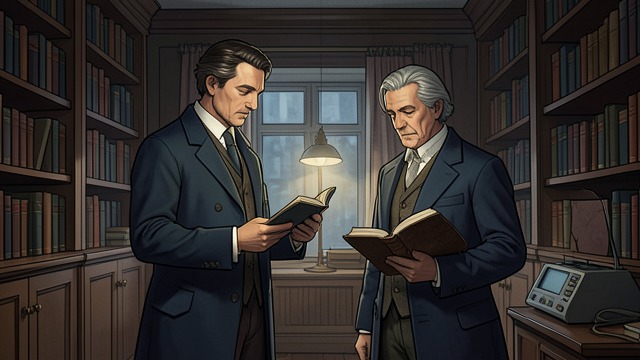
Chronological Snobbery Challenged
History Requires Examination
Barfield forced Lewis to question the assumption that a belief was discredited simply because it belonged to the past. Lewis began asking whether an idea had been answered or had merely lost fashion.
The Present Becomes Historical
The challenge exposed the characteristic assumptions of Lewis's own era. His confidence in modern intellectual superiority weakened as he learned to treat the present as one period among others.
The Problem of Knowledge
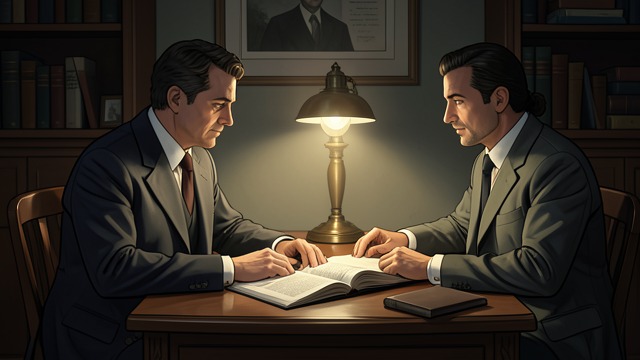
The Problem of Knowledge
A Contradiction Exposed
Barfield challenged Lewis's attempt to treat sensory reality as fundamental while also granting objective authority to logic, ethics, and aesthetic judgment. Lewis found that his position could not comfortably support both claims.
Mind Reconsidered
Rather than accept a behaviorist account of thought and value, Lewis moved toward a view in which mind was fundamental to reality. The debate carried consequences far beyond the original disagreement.
Friendship Beyond Agreement
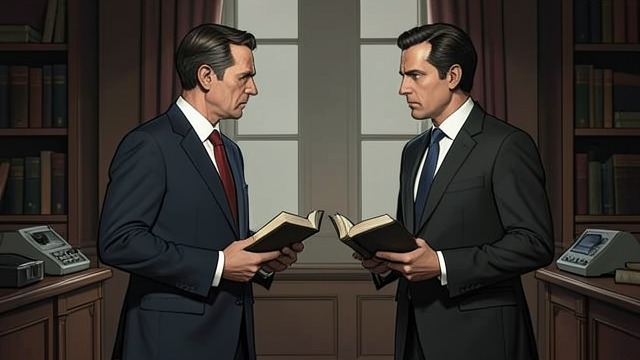
Friendship Beyond Agreement
Lasting Dispute
The intellectual war lasted for years but did not become a personal quarrel. Their arguments repeatedly forced Lewis to examine positions he had once regarded as secure.
A Lasting Debt
Barfield never made Lewis an Anthroposophist, but his challenges dismantled important assumptions. Their friendship demonstrated how sustained disagreement could enlarge rather than destroy intellectual affection.
After Lewis returned to Oxford in 1919
Early 1920s, during Lewis's New Look period
During the years of their Oxford debates
As Lewis reconsidered realism at Oxford
By the later years of Lewis's conversion story
