
The War of Status and Spontaneity
Surprised by JoyThis thread examines Lewis's account of Wyvern's competitive culture and the limited spaces where uncalculated attachment could survive.
increasing Bearing strength in each event
 decreasing
Bearing strength in each eventdecreasingStatus as the School's Currency
Status as the School's Currency
Advancement Governs Conduct
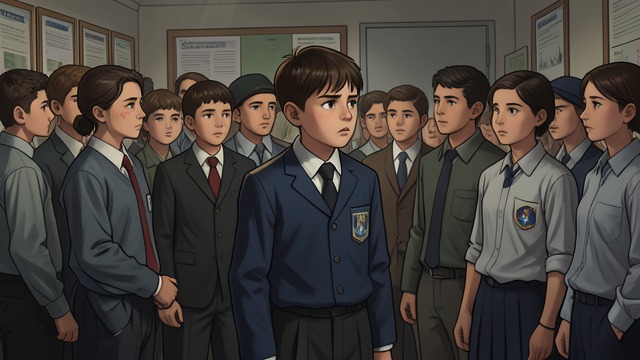
Lewis saw boys choose clothes, friends, games, and amusements according to their prospects in the school hierarchy. Social position shaped conduct more completely than money did.
Spontaneity Reduced
Competition encouraged flattery, strategic friendship, and abandonment of those who could not advance a boy's interests. Lewis judged this culture unusually calculating for a community of children.
Games Without Play
Games Without Play
Compulsory Enthusiasm
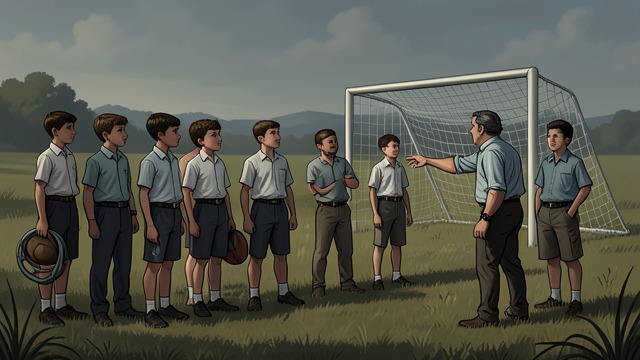
Organized sport was treated as the center of school life, though many boys preferred not to play. Watching and cheering also became duties through which the ruling boys received attention.
Competition Replaces Recreation
For ambitious pupils, games were routes to status rather than play. Lewis argued that the intensity of rivalry had driven the element of genuine play from school life.
A Space Outside the Hierarchy

A Space Outside the Hierarchy
Library Sanctuary
The Gurney offered silence, books, and temporary freedom from fagging. Reaching it was difficult because clubs, matches, and older boys could claim a junior's time.
Intellectual Refuge
In the library, Lewis explored poetry, mythology, and language without having to perform athletic enthusiasm. The refuge preserved a life of attention outside the school's social contest.
Eros Against Calculation

Eros Against Calculation
An Imperfect Counterweight
Lewis argued that the school's erotic relationships were morally compromised, yet could sometimes interrupt the social calculation governing the Bloods. A privileged boy might briefly forget his status in an uncalculated attachment.
A Complicated Judgment
He did not present the system as harmless or endorse its abuses. His point was that even a distorted form of affection could preserve traces of spontaneity in a deeply competitive world.
A Wider Moral Measure

A Wider Moral Measure
Cruelty Reassessed
Lewis resisted treating sexual transgression as the only or greatest evil in the school. He argued that cruelty, ambition, and the pursuit of worldly status deserved serious moral attention.
From School to World
The hierarchy became an example of a broader danger: a life ordered around advancement and recognition. Lewis's criticism extended beyond school customs to the moral pressures of adult society.
Lewis's first years at Wyvern
During Lewis's years in the Wyvern school system
When Lewis managed to reach the Gurney
Lewis's later reflections on Wyvern
After Lewis became a Christian
