
Lewis's Moral Awakening
Surprised by JoyThis thread traces Lewis's movement from treating virtue as irrelevant to his intellectual life toward recognizing moral obligation as a personal demand.
increasing Bearing strength in each event
 decreasing
Bearing strength in each eventdecreasingVirtue Outside His Concerns
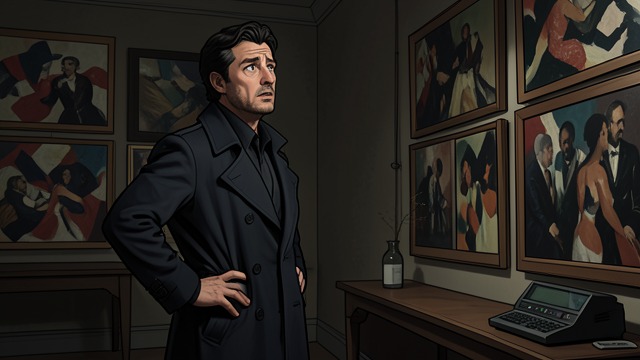
Virtue Outside His Concerns
Intellectual Interests First
Lewis could care intensely about beauty, literature, and philosophical questions while assuming that strict veracity or chastity was not his kind of concern. He did not yet connect intellectual life with disciplined conduct.
A Narrow Moral Imagination
Kindness and loyalty seemed familiar, but other virtues remained abstract. Lewis later recognized that his self-understanding had excluded moral obligations without serious examination.
Johnson's Conscience

Johnson's Conscience
A Different Standard
Johnson treated conscience and principle as ordinary obligations. His example unsettled Lewis because it came from a person with similar intellectual interests and no evident need to perform moral superiority.
The First Opening
Lewis began to suspect that the severer virtues applied to him as well. The shift came through friendship and example rather than a formal argument.
Imitation Before Transformation

Imitation Before Transformation
Accepting Standards
Lewis did not claim that he immediately became virtuous. He accepted Johnson's principles internally and tried not to defend his earlier life against them.
A Beginning in Shame
He argued that imitating courteous people can be better than remaining unashamed of one's behavior. The boundary between pretending to be better and beginning to improve seemed less simple than moral judgment often allows.
Friends Who Live Their Beliefs
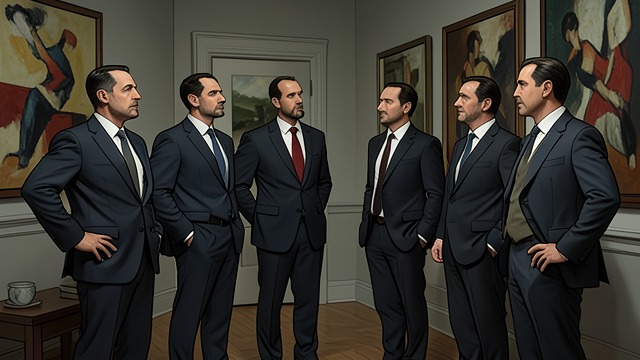
Friends Who Live Their Beliefs
Moral Examples Multiply
At Oxford, Lewis found friends who treated veracity, public spirit, chastity, and sobriety as obligations. Their conduct made ethical standards visible in ordinary relationships.
Principles Become Practical
These examples helped prepare Lewis to take virtue seriously before he accepted Christianity. Moral change developed through communities as well as through argument.
Virtue as a Command

Virtue as a Command
Self-Examination Changes Purpose
As Lewis tried to bring his conduct into harmony with Spirit, he discovered a disorder of desires and fears. Abstract ideals could no longer remain merely intellectual positions.
The Need for Help
He found that he could not sustain virtue by will alone. The effort made the idea of a living, responsive God increasingly difficult to evade.
Before Lewis encountered Johnson in France
During Lewis's service with the army
During the army friendship with Johnson
After Lewis returned to Oxford
During Lewis's approach to theism in 1929
