
The Making of a Christian Reader
Surprised by JoyThis thread traces how literature repeatedly unsettled Lewis's unbelief and helped him recognize what his theories could not explain.
increasing Bearing strength in each event
 decreasing
Bearing strength in each eventdecreasingMyth Before Belief
Myth Before Belief
Imaginative Enjoyment
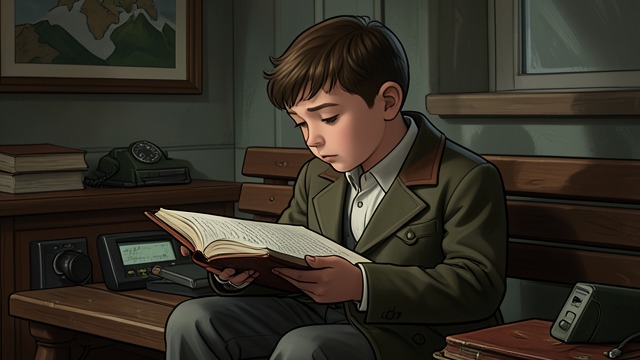
Lewis loved stories of animals, ancient worlds, and distant landscapes without believing they were real. Imagination remained distinct from fantasy that inserted him as a hero.
A Private Education
Reading formed his tastes before he had a concept of a literary world. Books became a route to experiences he could not find in ordinary entertainment.
Classics and Religious Doubt
Classics and Religious Doubt
Pagan Religion in Schoolwork
Lewis encountered classical religious ideas presented as human error, while Christianity remained an unexplained exception. The contrast made inherited belief seem intellectually arbitrary.
A Question Without Answer
No teacher showed him how pagan religion might prepare for or be fulfilled by Christianity. The omission helped turn his literary education into a source of doubt.
Wagner and Imaginative Renewal

Wagner and Imaginative Renewal
Northernness Returns
The Ring stories, records, and illustrations restored Lewis's imaginative longing after years of prosaic reading. The response felt more important than his school ambitions or his religious doubts.
A Different Kind of Value
The experience included something like adoration without requiring belief or imposing duties. Lewis later wondered whether it had prepared a capacity for worship.
Authors Against the Theory
Authors Against the Theory
Christian Writers Impress
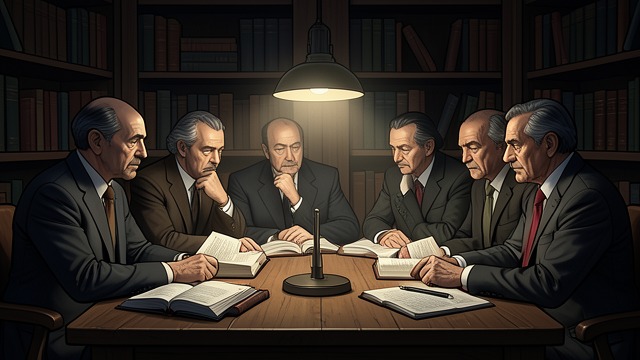
MacDonald, Chesterton, Herbert, Milton, and other religious writers seemed to Lewis to convey life with unusual depth. Their Christianity appeared to be a supposed defect attached to their strongest work.
Reading Resists Explanation
Irreligious authors often seemed thin by comparison, despite Lewis's theoretical sympathy with them. His actual responses as a reader increasingly contradicted his account of religion.
The Everlasting Man
The Everlasting Man
A Coherent Christian Outline
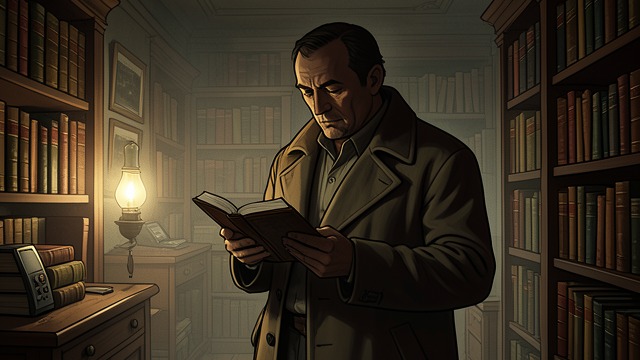
Chesterton's account of history helped Lewis see Christianity as an intelligible interpretation rather than a mere inherited myth. It weakened his confidence that he had already disposed of the Christian claim.
A Continuing Resistance
Lewis did not immediately accept the faith presented in the book. Its argument nevertheless prepared him to take seriously the possibility that myth and history could meet.
Childhood and early adolescence
During Lewis's years at Chartres
Early adolescence at Chartres
During Lewis's Oxford years
Before Lewis's final conversion to theism
