
Faith Lost and Rediscovered
Surprised by JoyThis thread follows Lewis from childhood religious belief through apostasy and eventual surrender to God and Christianity.
increasing Bearing strength in each event
 decreasing
Bearing strength in each eventdecreasingBelief Without Intensity
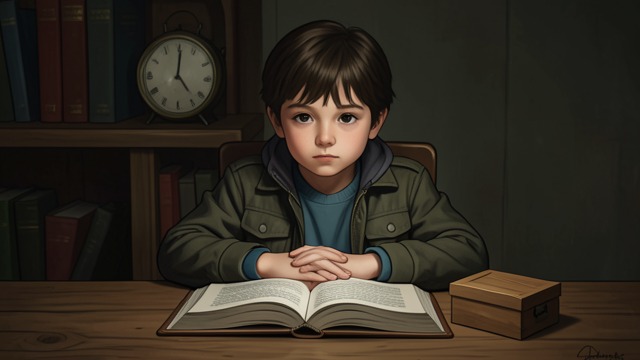
Belief Without Intensity
Inherited Practice
Lewis was taught prayers, taken to church, and accepted religious instruction without much personal interest. His home life was not the strict Puritan environment later readers sometimes imagined.
A Dormant Beginning
Religion initially remained part of routine rather than a vivid encounter. This quiet beginning made the later seriousness of his school-age faith a distinct change.
Awakening at Belsen

Awakening at Belsen
Christian Teaching
In the school's Anglo-Catholic church, Lewis heard Christian doctrine taught by people who appeared to believe it. Ritual initially alienated him, but the convictions behind it made his inherited faith real.
Prayer and Conscience
He began praying seriously, reading the Bible, and attempting obedience. Fear of damnation formed part of this awakening, especially during moonlit nights in the dormitory.
The Burden of Prayer
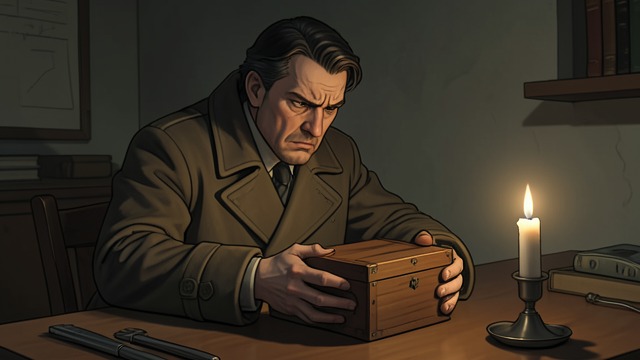
The Burden of Prayer
Scrupulous Repetition
Lewis worried that he had not concentrated properly during prayer and repeatedly tried to produce vivid inner realizations. Each attempt created fresh doubt about whether the previous attempt had been sincere.
Faith Becomes Unbearable
The practice turned prayer into a nightly ordeal. His desire to escape this burden prepared him to welcome ideas that loosened his religious commitments.
Apostasy at Chartres
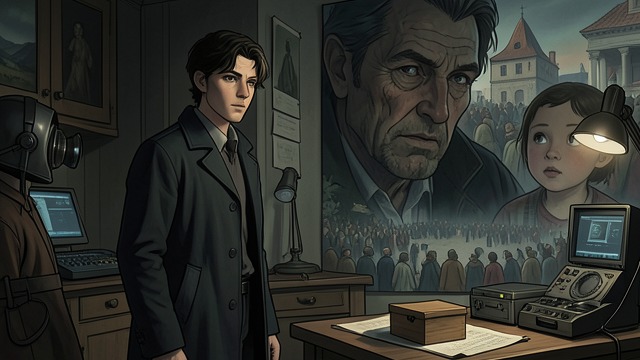
Apostasy at Chartres
New Explanations
Occult speculation introduced Lewis to the possibility of unseen worlds, while classical studies presented pagan religion as a natural human error. He struggled to see why Christianity should be treated as uniquely true.
Relief in Rejection
Pessimism, resentment of authority, and the burden of prayer reinforced one another. Lewis gradually abandoned Christianity with little sense of loss and considerable relief.
Surrender and Incarnation
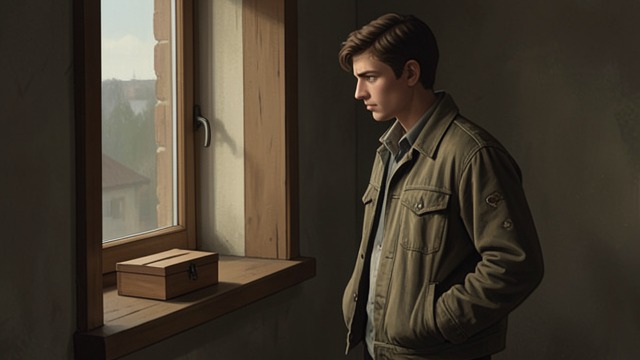
Surrender and Incarnation
Theism Accepted
After years of intellectual resistance, Lewis admitted that God was God and knelt in prayer at Magdalen. The surrender felt reluctant, but it ended his attempt to preserve a private territory beyond divine claim.
Christianity Recognized
His move to Christian belief followed as he considered the Gospels' historical character and their relation to earlier religious longings. On the journey to the zoo, belief in Christ became real to him.
Early childhood before 1908
1908 to 1910 at Belsen
Early years at Chartres after Belsen
1911 to 1913 at Chartres
Trinity Term 1929 and the following journey to Whipsnade
