
Cust’s Changing Self-Image
The A.B.C. MurdersThis thread traces Cust from an overlooked, insecure salesman into a man who believes himself a notorious murderer, and finally toward recovered agency.
increasing Bearing strength in each event
 decreasing
Bearing strength in each eventdecreasingA Life of Being Overlooked
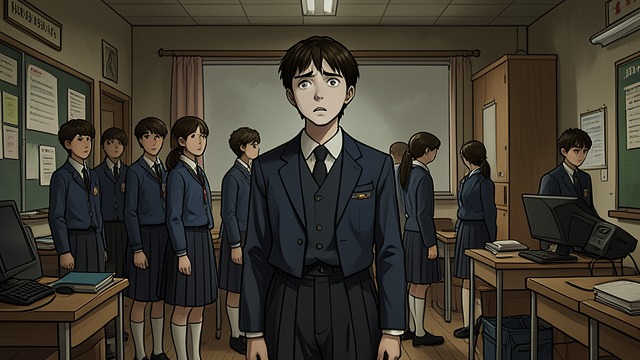
The Timid Clerk
Childhood humiliation
Cust’s grand names invite mockery at school, while repeated failures convince him that other people regard him as stupid. He internalizes a sense of inadequacy.
Work and illness
He struggles in clerical employment and is discharged from the army after epilepsy becomes known. Financial insecurity further narrows his choices.
A Promised Job
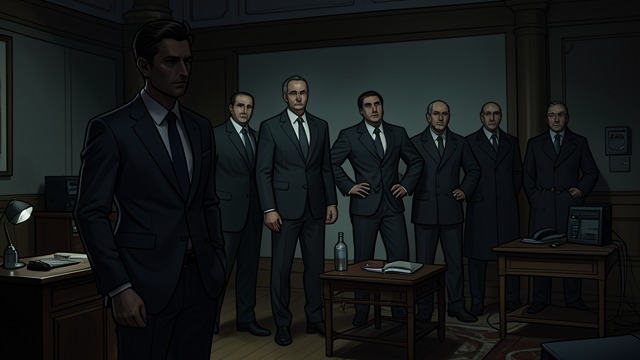
The Salesman’s Opportunity
A chance to earn
The hosiery work offers Cust a salary and commission when he badly needs money. The apparent employer’s letters and supplies make the offer credible.
Dependence on instruction
Cust follows routes and lists without seeing their larger purpose. His desire to be reliable will later make him carry out a criminal itinerary.
Fear of His Own Mind
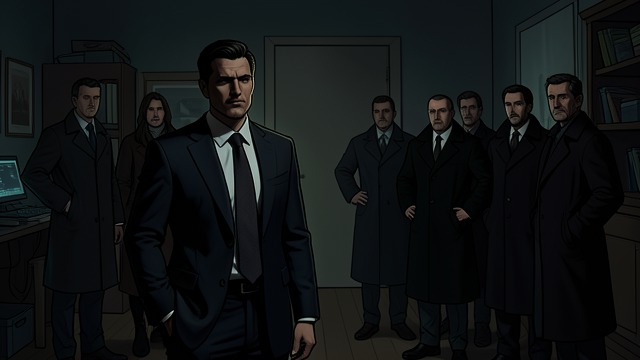
A Pattern Turns Inward
Coincidences accumulate
Cust has been near several murder locations and reads newspaper accounts describing the ABC pattern. His epilepsy gives him a frightening explanation for gaps in memory.
Identity collapses
He begins to suspect that he may be killing without awareness. The planted clues exploit an existing fear rather than creating it from nothing.
Evidence in the Coat

A False Confession Begins
Blood and a knife
Cust discovers blood on his sleeve and a knife in his possession. He cannot remember the attack and interprets the evidence as confirmation of his worst fear.
A hunted escape
He leaves his lodging and eventually collapses at a police station. The frightened man behaves like a fugitive because he believes he is guilty.
Truth Without Understanding
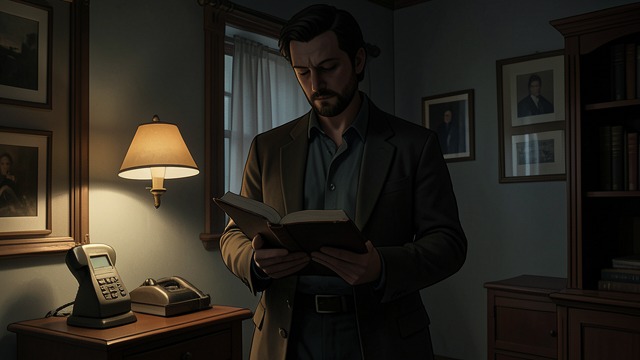
Guilty in Belief
The confession
Cust admits to Poirot that he believes he committed the murders, though he cannot explain the motive. His sincerity is real, but his conclusion is false.
A possible future
After Clarke’s exposure, Cust begins to accept that he was manipulated. He looks toward paid writing and medical help for his headaches, recovering some confidence.
Before 1935
Early summer 1935
After the Churston murder
September 11, 1935, after the Doncaster murder
Near the end, during Poirot’s interview
