
The Stocking Seller Clue
The A.B.C. MurdersThis thread traces scattered mentions of stockings into the key lead that reveals a travelling sales identity and connects Cust to the crime scenes.
increasing Bearing strength in each event
 decreasing
Bearing strength in each eventdecreasingA Neighbor’s Complaint
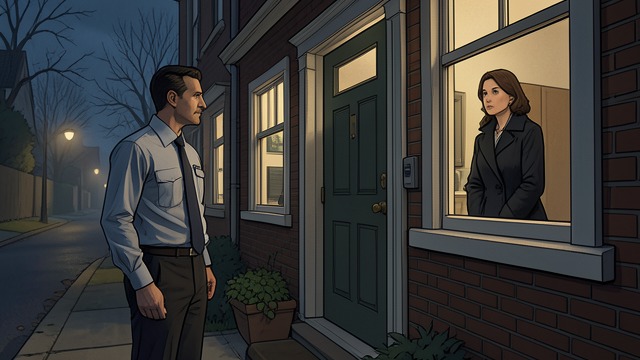
Salesmen at the Door
A commonplace nuisance
Mrs Fowler recalls door-to-door sellers of goods, including stockings. Her complaint initially seems like neighborhood talk rather than evidence.
A detail retained
Poirot pays for information even when it seems trivial. The remark remains available for later comparison when similar references emerge.
A Household Purchase
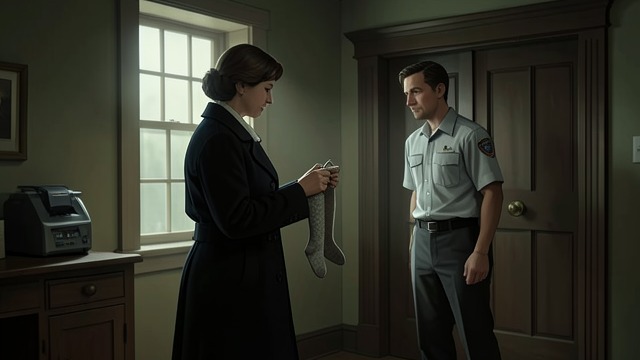
A Gift Bought
The Barnards’ memory
Mrs Barnard buys Betty a pair of stockings shortly before her death. The gift becomes emotionally charged because Betty never receives it.
A repeated object
Megan’s account echoes the earlier mention of salesmen. Poirot senses a pattern connecting domestic memories to the murders.
The Visitor at Combeside
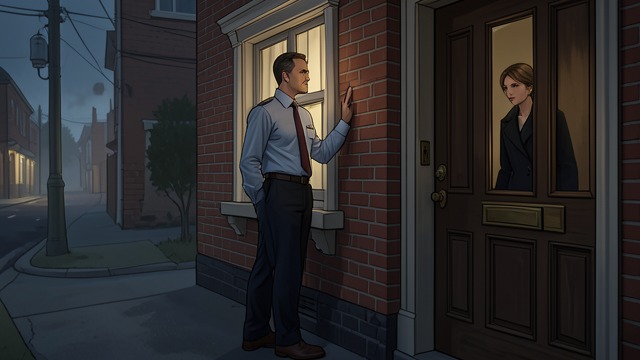
A Salesman Remembered
Thora recalls a caller
Thora Grey remembers a shabby man with glasses who came selling stockings at Combeside. She had initially forgotten the encounter when questioned.
Three instances align
Poirot connects her memory with Mrs Fowler’s complaint and the Barnards’ purchase. Repetition turns a mundane sales visit into a likely reconnaissance method.
The Sales Route

A Travelling Cover
Business provides access
Police discover that Cust visited homes and businesses in the towns where murders occurred, selling hosiery. The route offers a credible reason for his presence.
A suspect emerges
The sales work links Cust to each location, though it was arranged by Franklin Clarke. A genuine clue points toward an innocent tool as well as the real planner.
A Clue Reinterpreted

The Salesman as Decoy
A planted itinerary
Clarke uses the stocking job to make Cust appear repeatedly near the murders. Ordinary commerce disguises surveillance and creates incriminating coincidence.
The clue’s double edge
The stockings correctly reveal the stalking horse but not the mastermind. Poirot must distinguish the visible suspect from the person controlling his movements.
June 22, 1935, during Poirot’s inquiry
July 24, 1935
July 30, 1935, late morning
After the Doncaster murder
During Poirot’s final explanation
