
Victims as Individuals
The A.B.C. MurdersThis thread contrasts the alphabetical label imposed on the victims with the different private histories that make each death a distinct human loss.
increasing Bearing strength in each event
 decreasing
Bearing strength in each eventdecreasingAlice Beyond the Letter A
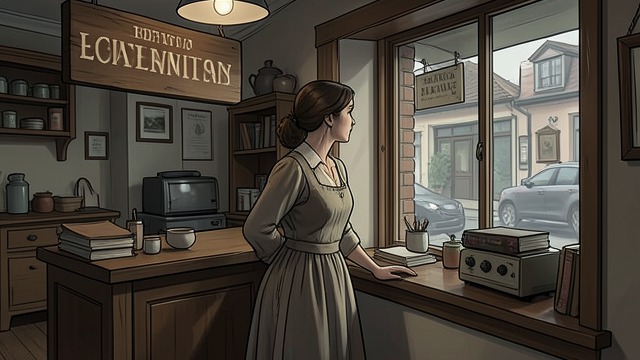
A Life Reduced to a Clue
A shopkeeper’s routine
Alice runs a modest shop and supports herself despite a painful marriage. Her work and care for Mary define a life much larger than a letter.
The series obscures her
The railway guide makes her death seem selected by alphabet. Poirot’s visit to her home recovers the human life the pattern suppresses.
Betty Beyond the Letter B
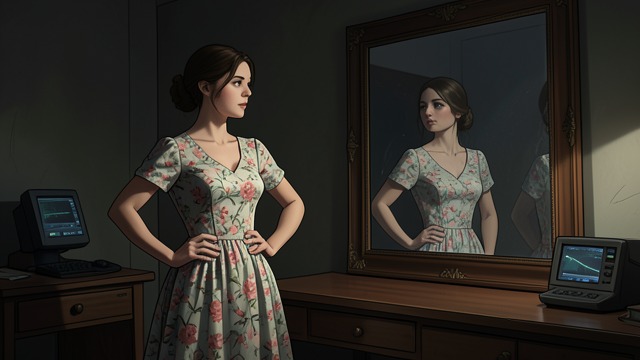
A Young Woman’s Choices
More than innocence
Betty enjoys flirtation and dancing and has a complicated relationship with Donald. Her actual character is neither the press’s ideal nor a moral explanation for her murder.
A victim, not a symbol
The alphabetical story risks replacing her with a letter and a belt. Megan’s honesty restores her contradictions and affection to view.
Carmichael Beyond the Letter C

A Collector and Husband
A personal world
Sir Carmichael is a retired throat specialist, devoted to Chinese art and worried about his wife. His nightly walk belongs to a settled private life.
A family crime
The ABC label disguises an attack by his own brother. His individuality matters because his death benefits a particular person.
Earlsfield Beyond the Letter D
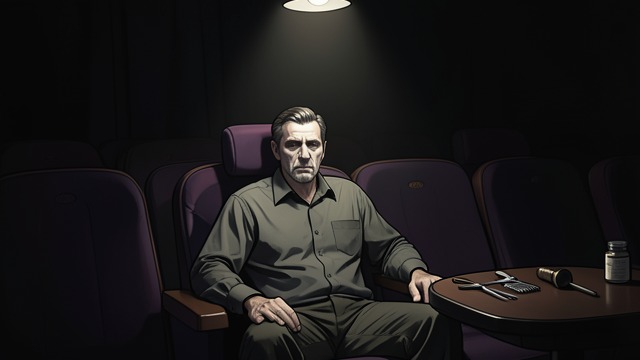
The Wrong Victim
A man in a cinema
George Earlsfield is a barber whose resemblance to Roger Downes makes him an unintended victim. The alphabet does not protect or explain him.
The cost of error
The mistaken attack exposes the carelessness of the supposed system. His death is not an abstract failed letter but an individual life ended by Franklin’s plan.
A Pattern Cannot Explain Grief

Human Loss Outlasts the Puzzle
Different survivors
Mary grieves for her aunt, Megan for her sister, and Lady Clarke for her husband. Their losses cannot be reduced to a single serial method.
The solved case
Poirot’s explanation identifies the criminal design, but the victims’ histories give the solution its moral weight. Detection must restore persons as well as facts.
June 22, 1935
July 25, 1935
July 30, 1935
September 11, 1935
After the murders are solved
