
Speech as a Trap
The A.B.C. MurdersThis thread traces Poirot’s belief that conversation exposes hidden motives, from informal witness interviews to the decisive encounter with Cust and Clarke.
increasing Bearing strength in each event
 decreasing
Bearing strength in each eventdecreasingInformation Is Selected
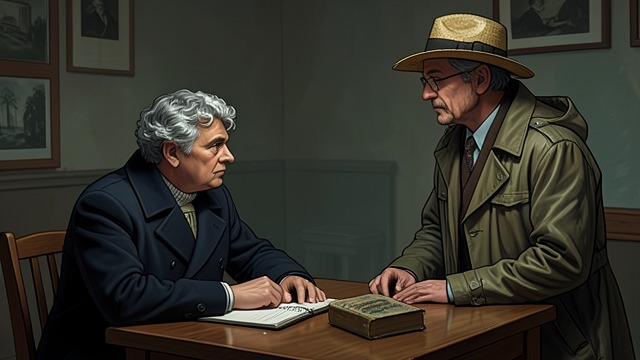
What Witnesses Leave Out
Ordinary omissions
Poirot observes that people report what they think matters and omit trivial details. Their accounts can therefore conceal the very fact that would help.
Conversation loosens memory
Repeated discussion may restore significance to an event. Poirot seeks not just testimony but the unplanned details that accompany it.
A Legion of Reminiscence
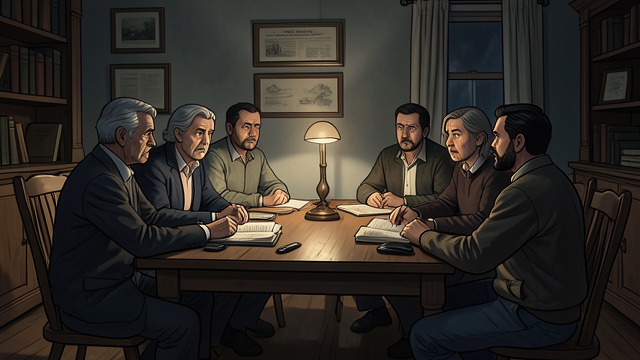
Talking Together
Memories compared
Poirot gathers relatives and witnesses to recount the days around each crime. The group’s separate recollections may form a picture no one person possesses.
Skepticism and purpose
Megan questions the speeches, but Poirot uses them to keep discussion moving. His performance matters less than the details it elicits.
The Stocking Conversation

A Word Unlocks a Clue
Associations surface
Thora’s remembered caller, Megan’s story of the stockings, and the neighbor’s earlier remarks connect through discussion. Each recollection had been incomplete alone.
A face imagined
The salesman emerges as the kind of person witnesses do not notice. Conversation gives Poirot a practical avenue toward identifying the travelling suspect.
The Truth Game

Questions With a Purpose
Odd questions asked
Poirot asks Franklin about hats, Donald about holidays, and Thora about a possible marriage. Their replies reveal less through content than through emotional reaction.
A lie anticipated
He does not expect every answer to be truthful. The questions are instruments for watching how each person handles pressure.
Cust Gives Himself Away

Speech Reveals the Hidden Self
Gentle prompting
Poirot lets Cust speak about childhood, illness, work, and the prophecy that he would become famous. The conversation reveals how the false ABC identity entered his mind.
A lie points to truth
Poirot expects Franklin to lie and reads the lie as evidence. Speech becomes a way to discover what a speaker most needs to hide.
After the first Andover interviews
After the third murder
September 1935, during the Legion meeting
During the Legion’s later meeting
Near the ending, during their private interview
