
The False ABC Evidence
The A.B.C. MurdersThis thread follows the railway guides and warning letters as props that manufacture a serial-killer identity and ultimately expose the scheme’s author.
increasing Bearing strength in each event
 decreasing
Bearing strength in each eventdecreasingA Letter to Poirot
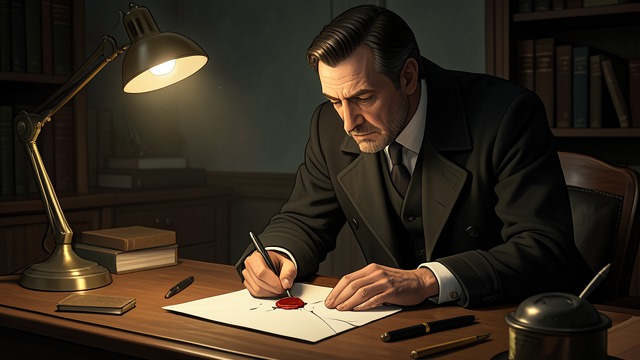
The First Performance
A taunting voice
A printed letter challenges Poirot and names Andover. Its theatrical confidence invites the reader to imagine a boastful killer seeking an audience.
A chosen recipient
The warning goes to a private detective rather than directly to police. This choice later proves necessary for the planned misdirection.
A Guide Left Behind
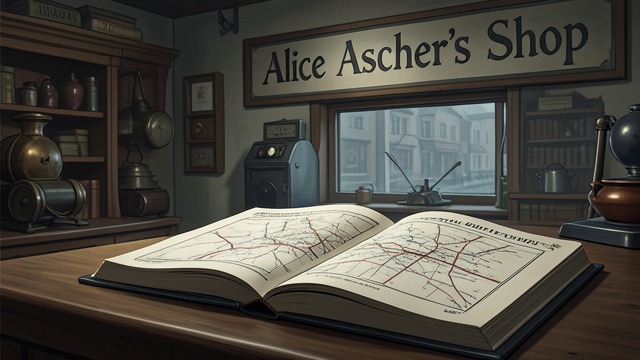
The Railway Signature
Evidence without prints
A railway guide is found at Alice Ascher’s shop, wiped of fingerprints. It appears to authenticate the letter’s alphabetical theme.
A manufactured system
The guide encourages investigators to treat the killing as a puzzle about letters and places. Its symbolic force is greater than its practical evidentiary value.
Warnings Grow Bolder
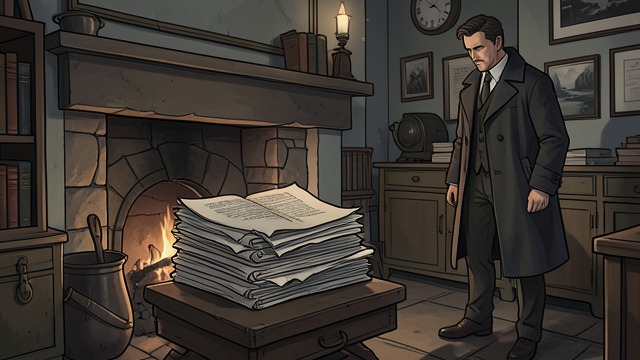
A Serial Identity
Escalating taunts
Letters announce Bexhill, Churston, and Doncaster while mocking Poirot’s failures. The correspondence supplies a narrative that the public and police begin to inhabit.
Publicity as camouflage
The warnings make each death look like one episode in a campaign. The attention directed at an imagined maniac helps hide a private inheritance murder.
The Misaddressed Letter
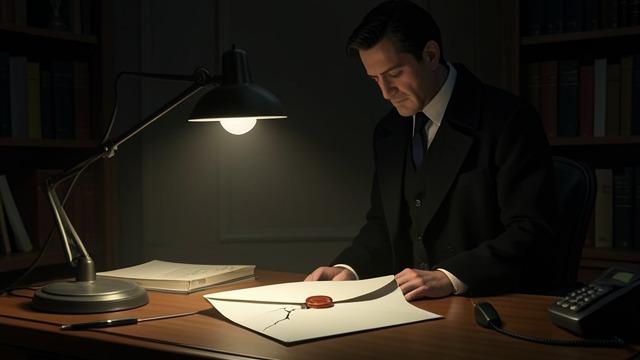
A Calculated Delay
Whitehorse instead of Whitehaven
A warning is sent to an incorrect address and arrives too late to protect Sir Carmichael. The mistake is too useful to be accidental.
Why a private address
Poirot eventually realizes that a letter to Scotland Yard could not be made to go astray in the same way. The error is a structural part of the plot.
The Letters Reframed

Sane Writing, False Story
A false voice
Poirot recognizes that the letters imitate madness while serving a calculated purpose. Their apparent irrationality distracts investigators from the rational murder of Sir Carmichael.
The author exposed
Franklin’s need for misdirection explains why the letters target Poirot and why one is delayed. The correspondence becomes evidence of design rather than mania.
June 1935
June 21, 1935, at Andover
July–September 1935
July 30, 1935
Near the ending, during the explanation
