
Crome and Poirot’s Rivalry
The A.B.C. MurdersThis thread traces how professional pride and competing theories create friction between Crome and Poirot before their different strengths converge.
increasing Bearing strength in each event
 decreasing
Bearing strength in each eventdecreasingA Patronizing Introduction
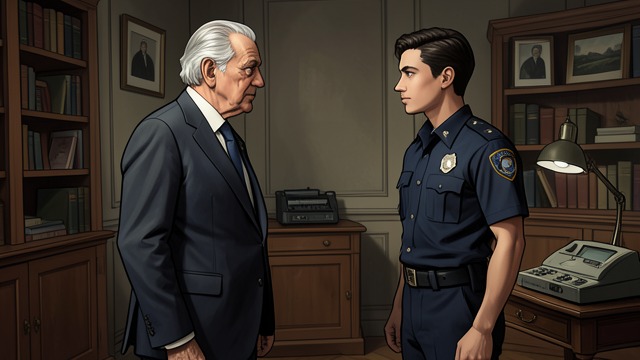
Old Detective and New Inspector
Generational posture
Crome presents himself as a modern expert, subtly treating Poirot’s methods as outdated. Poirot remains courteous, but notices the inspector’s confidence.
An early imbalance
Hastings dislikes Crome’s manner, yet cannot deny his official authority. The investigation begins with a hierarchy that Poirot does not accept intellectually.
A Shared Psychological Theory

Agreement on the Surface
Notoriety as motive
Crome argues that the killer wants publicity and will eventually become careless. Dr Thompson supports the behavioral account.
Poirot’s reservation
Poirot agrees that attention matters but asks why the killer needs the murders at all. The difference between describing behavior and discovering motive becomes the central dispute.
The Stocking Lead
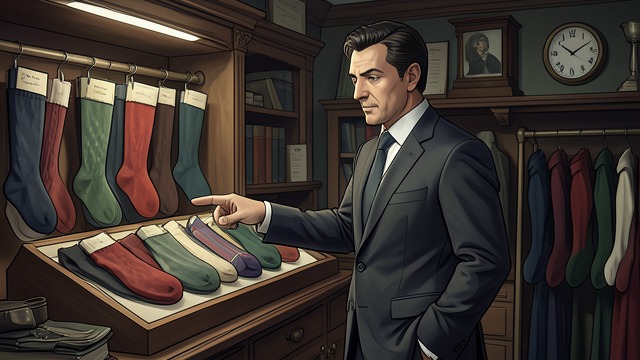
A Useful Suggestion
Poirot proposes a search
The recurring salesman clue leads Poirot to recommend checking hosiery firms. Crome adopts the investigation while remaining skeptical of Poirot’s broader interpretations.
Evidence accumulates
The police verify Cust’s routes and discover items in his lodging. The lead improves the case but creates the danger of a premature conclusion.
Cust in Custody
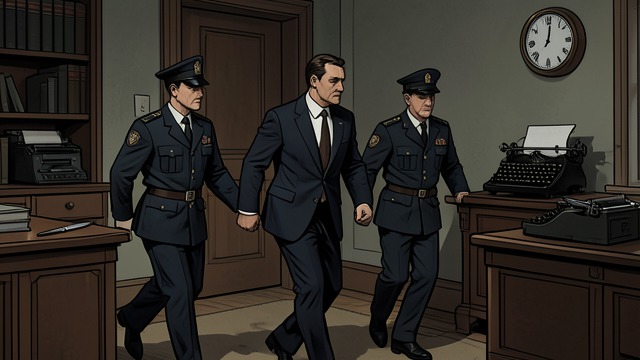
A Case That Looks Complete
Crome’s confidence
The knife, blood, guides, and typewriter appear to prove Cust’s guilt. Crome believes only the suspect’s capture remains.
Poirot’s dissatisfaction
Poirot insists that the man’s character and motive are unresolved. The investigator’s refusal to accept closure strains his relationship with the police and delays resolution.
Two Methods Reconciled
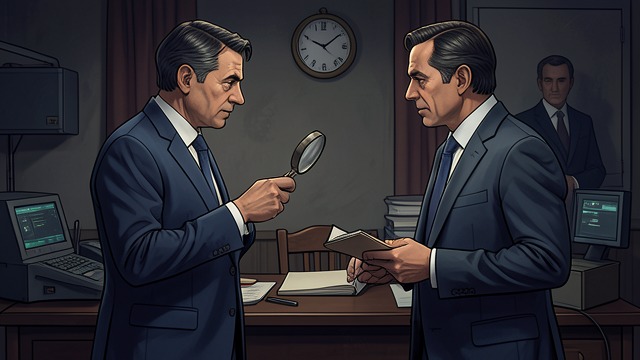
Evidence Meets Interpretation
The real culprit
Poirot identifies Franklin Clarke and explains how the material evidence was arranged around Cust. Crome’s procedures helped supply the trail, but not its meaning.
A more complete victory
The solution requires both police work and psychological insight. Their rivalry gives way to a fuller account of how the crime was constructed.
July 25, 1935, during the journey to Bexhill
After the Bexhill murder
September 1935, before Doncaster
After the Doncaster murder
At the final confrontation
