Combeside
The A.B.C. MurdersCombeside, the modern house Sir Carmichael Clarke built near Churston, is both the site of his murder and a setting for the investigation that follows. First presented against an expanding seaside landscape, it later reappears with its rooms closed and shuttered, its domestic openness replaced by an atmosphere of melancholy.
Setting and Design
Sir Carmichael had bought about two acres commanding an uninterrupted view of the sea. The house was a white, modern rectangle, modest in size apart from two large galleries that housed his collection. Its clean geometry and coastal prospect set it apart from the older, sparsely occupied landscape once characteristic of the area.
Churston lies roughly halfway around the curve of Torbay, between Brixham to one side and Paignton and Torquay to the other. Until about a decade earlier, the vicinity had consisted largely of a golf links and countryside descending toward the sea, with only a farmhouse or two. Recent building development between Churston and Paignton had brought small houses, bungalows, and new roads along the coast. Combeside therefore stood within a landscape in transition, where open ground and new construction met.
The Murder and Investigation
The house is the home from which Sir Carmichael would take his customary after-dinner walk each evening. When police called after eleven and learned he had not returned, a search party followed his usual route and found his body. He had been killed by a heavy blow to the back of the head; an open A B C lay face down on him.
The investigators arrived at Combeside at about eight in the morning. An elderly butler opened the door, his shaking hands and disturbed expression showing the effect the tragedy had had on him. The house’s rooms and household thus carried the immediate aftermath of the murder even as the inquiry moved outside: Inspector Crome asked to be shown the ground along Sir Carmichael’s nightly walk, and Franklin Clarke led the way through a French window, accompanied by Miss Grey.
A House Changed by Loss
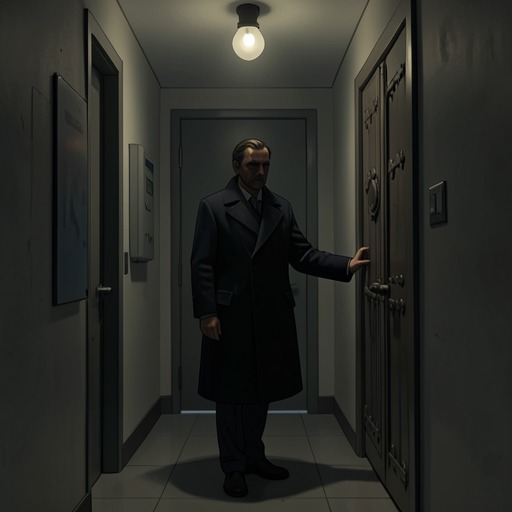
When the visitors returned to Combeside for a second time, it had acquired a markedly different character. The downstairs rooms were closed and shuttered, and the small room where they were received was damp and airless. The day was moist and carried a hint of autumn; the condition of the house, partly explained by its being only partly in use, intensified the impression of settled melancholy.
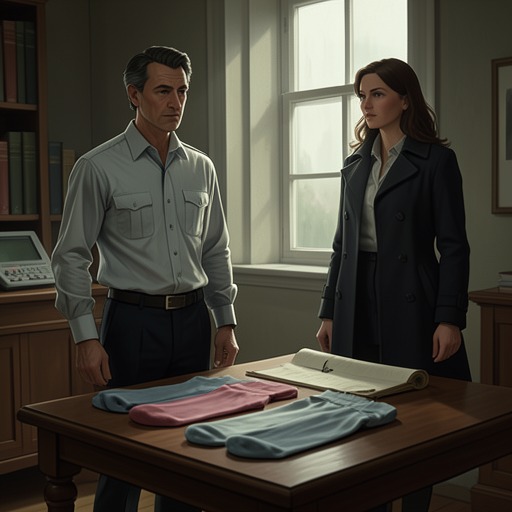
A capable-looking hospital nurse, Nurse Capstick, received the visitors there and said she had received Mr Clarke’s letter telling her they were coming. The shift from the spacious sea-facing home, with its galleries and view, to shut rooms and a stale reception room registers the household’s altered circumstances after the murder. Combeside’s changing presentation makes the house more than a backdrop: it anchors the investigation in the victim’s domestic world and gives physical form to the silence left by his death.