
Love That Cannot Keep Its Promise
The Bluest EyeThis flow examines how longing for love and care becomes entangled with possession, neglect, violence, and inadequate religious explanations.
increasing Bearing strength in each event
 decreasing
Bearing strength in each eventdecreasingPauline’s Dream of Tenderness

A Dream of Being Seen
The foot as recognition
Pauline’s injured foot has long served as an explanation for her sense of isolation. When Cholly notices it without treating it as a defect to ignore, she experiences attention as a form of tenderness. Their early relationship offers her laughter, companionship, and the feeling that her difference can be met with care.
A promise vulnerable to change
The courtship carries Pauline toward a hoped-for life in the North, but it cannot guarantee that affection will survive poverty, loneliness, and disappointment. Later memories retain the colors and sensations of early love even as the marriage becomes marked by conflict.
The beginning matters because the later harm is not evidence that tenderness never existed. It shows instead that a genuine feeling cannot by itself overcome the conditions and choices that transform a relationship.
A Home Built on Conflict

Affection Under Strain
Loneliness and unequal refuge
In Lorain, Pauline misses her people and feels isolated among white neighbors and unfamiliar Black social circles. Work and money become sources of dispute, while Cholly increasingly finds company and escape elsewhere. The marriage loses the shared ease that had once made her feel noticed.
Routine made of quarrels
The later household organizes its days around conflict. Pauline and Cholly’s violence becomes a repeated pattern that supplies them with drama and a sense of roles, while Sammy and Pecola endure the consequences. The routine does not make the violence harmless; it makes danger part of the children’s ordinary environment.
The progression shows how a relationship can become an enclosure. What once promised companionship now helps reproduce fear, and neither adult finds a reliable way to turn past affection into safety for the children.
A Mother’s Care Diverted

Tenderness in the Wrong Home
Order and praise
Pauline finds beauty, cleanliness, and appreciation in the Fisher household. Her paid labor gives her a respected role and an ordered domestic world, while the work she performs there receives praise that her own home does not provide.
The cost to her daughter
That emotional investment is not carried back to her children. At the Fisher home, she is gentle with the white child and responsive to the demands of her employer’s household; when Pecola is injured by the fallen pie, Pauline strikes her and protects the room’s order instead.
The contrast makes love inseparable from social position. Pauline’s capacities for care are real, but the hierarchy that rewards her service elsewhere helps direct those capacities away from the child who needs them most.
A Father’s Tenderness Turns Fatal

The Failure of Protective Love
A memory intrudes
Cholly sees Pecola at the sink and is briefly moved by the posture of her foot, which recalls the gesture that first awakened tenderness in him toward Pauline. The memory begins as recognition, but it unfolds inside a man whose shame, anger, and inability to care safely have never been resolved.
Violence mistaken for intimacy
His confused feelings culminate in sexual assault. The narrative traces the shift through revulsion, guilt, pity, and desire without treating any of these emotions as an excuse. The child’s shock and suffering expose the fatal difference between a feeling of tenderness in the aggressor and care that protects the vulnerable person.
The episode makes love’s ethical measure unmistakable: intention and sentiment do not make an act loving when the beloved is violated and left in danger.
A Prayer That Cannot Repair
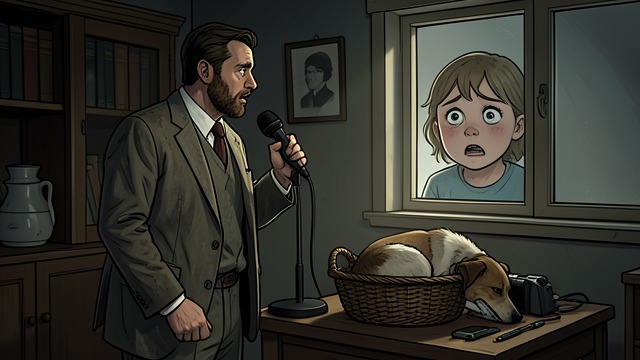
Faith Used as Substitution
A manufactured answer
Soaphead Church presents a poisoned dog’s death as evidence that God has answered Pecola’s request for blue eyes. His false miracle converts a child’s desperate need into an occasion for his own performance, while leaving the conditions that produced her longing untouched.
The limit of imagined rescue
The child’s private conviction that her wish has been granted supplies no protection from social abandonment. Her need for affirmation grows into a delusion, and the adults who might have offered truthful care instead leave her alone with an invented explanation.
The novel’s theological questioning refuses an easy claim that suffering is redeemed simply because someone invokes divine purpose. A promise of salvation cannot substitute for human responsibility toward a child who needs safety, recognition, and care.
Before Pauline and Cholly move north, during their courtship in Kentucky
After the couple settles in Lorain, before their children grow up
During Pauline’s years working for the Fisher family
During the spring section, when Cholly comes home drunk and encounters Pecola
Near the end, when Soaphead Church stages a sign for Pecola
