
Violence in the Breedlove Home
The Bluest EyeThis thread follows the household conflict between Cholly and Pauline as poverty, humiliation, alcohol, and entrenched roles turn their home into a recurring battlefield for the family.
increasing Bearing strength in each event
 decreasing
Bearing strength in each eventdecreasingA Home Without Shelter
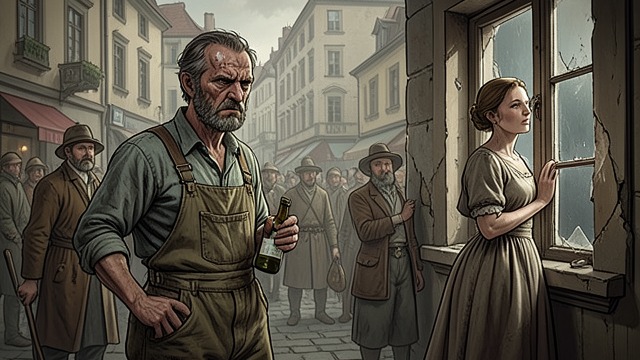
The Household Under Pressure
Poverty made domestic
The Breedloves live in a storefront not as a brief misfortune but as a consequence of poverty and racial exclusion. Their rented rooms offer little comfort, and the damaged furniture makes the dwelling feel like a place where neither care nor ownership can take root.
A conflict waiting to recur
The family’s circumstances do not explain every act of violence, but they narrow the space in which its members can imagine another way to live. Cholly drinks, Pauline bears resentment and exhaustion, and the children learn to listen for the next eruption.
The home becomes a site of conflict rather than refuge. The family’s material insecurity and emotional isolation reinforce one another, making a fight seem less like an interruption than an organizing feature of daily life.
The Morning Coal Demand
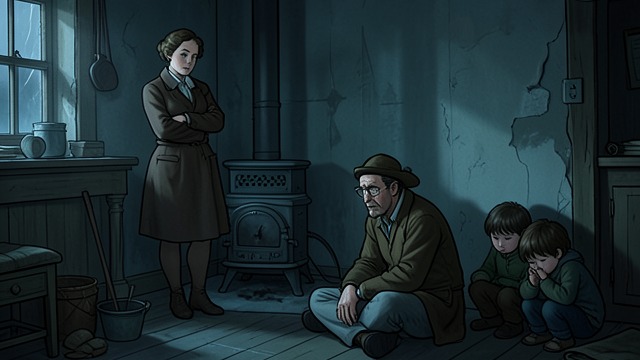
An Argument Delayed
The demand for heat
Pauline wakes to a cold house and insists that Cholly bring in coal. He has come home drunk but was too intoxicated to fight the night before; the postponed argument now hangs over the family as an expected event.
Children in the line of fire
Sammy pretends to sleep, while Pecola tightens her body and tries to preserve her breath. Both children understand the quarrel’s pattern and its threat, even before the adults begin to strike one another.
The demand is practical, but the confrontation has acquired a ritual of its own. The family’s ordinary need for warmth becomes the trigger for a familiar contest in which each adult reenacts grievance and the children must endure the consequences.
The Coal-Stove Fight
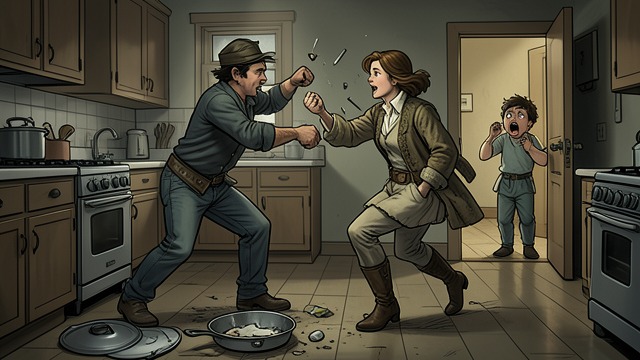
Violence as Routine
A fight staged as necessity
Cholly initially refuses to move, and Pauline taunts him for his drinking and failure to provide. Their words turn quickly into blows: he attacks with his hands and feet, while she answers with household objects, including a dishpan and the stove lid.
The children react differently
Sammy joins the struggle and shouts for his father’s death. Pecola, unable to intervene, wishes that one parent would kill the other or that she herself could disappear. Their divergent responses show how the same domestic violence produces flight, resistance, and inward collapse.
The battle ends not through reconciliation but through exhaustion and a return to routine. Pauline resumes her demand for coal, and the household absorbs the violence as another part of its daily order.
Cholly’s Humiliation
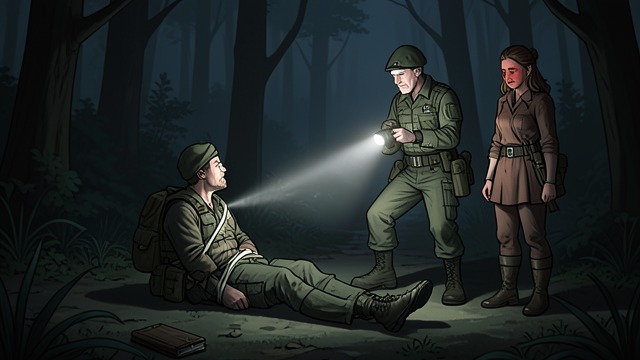
Power Redirected
White men seize control
While Cholly and Darlene are together in the woods, two white hunters surprise them with a flashlight and guns. They command Cholly to continue, turning an intimate encounter into a spectacle under their control.
Shame changes direction
Cholly cannot safely direct his hatred at the armed men. Instead, he directs it toward Darlene, the person closest to him and least able to cause the humiliation. That displacement becomes part of how he later understands power and handles injury.
The encounter does not excuse his later violence, but it clarifies one source of its direction. Racist coercion teaches Cholly that helplessness is intolerable, and he passes that lesson into relationships where he has greater power.
The Household’s Repeating Cycle
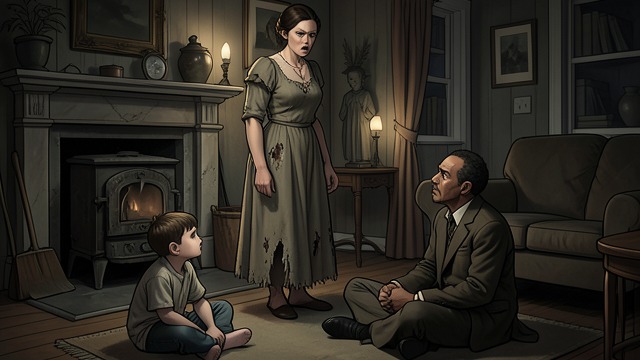
Grievance Becomes a Way of Living
Roles hardened by conflict
Pauline casts herself as a Christian woman burdened with a sinful husband; Cholly treats her as someone he can hurt when anger and frustration overwhelm him. Their recurring fights give each a familiar role, even as they make the children less secure.
The pattern outlasts any single argument
Cholly’s drinking and Pauline’s battles with him form an unstable domestic rhythm. Sammy repeatedly runs away, while Pecola turns inward and seeks invisibility, showing that the household conflict does not end when the adults stop fighting.
The cycle reproduces itself through fear and neglect. It makes home feel dangerous, diminishes the children’s expectation of protection, and prepares the conditions in which Pecola’s suffering can go unrecognized.
Before the family’s storefront years
A Saturday morning in October
Immediately after Pauline wakes Cholly
During Cholly’s adolescence in rural Kentucky
During Pecola’s childhood in the Breedlove storefront
