
Pecola’s Betrayal at Home
The Bluest EyeThis thread traces the escalating failures of protection around Pecola, from family abandonment and public humiliation to her father’s sexual violence and the community’s response.
increasing Bearing strength in each event
 decreasing
Bearing strength in each eventdecreasingA Family Put Outdoors
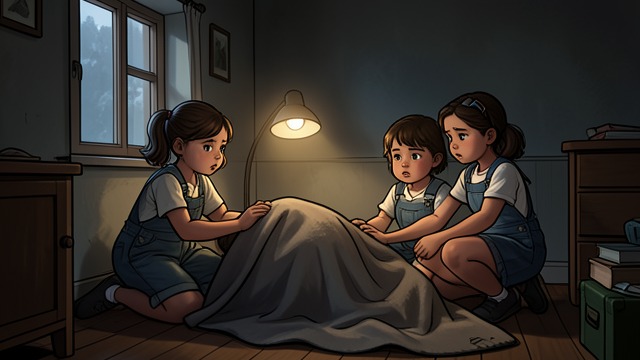
Displacement Before the Assault
A child placed elsewhere
After Cholly burns the family home and is jailed, the Breedloves are scattered. Mrs. Breedlove stays with her employer, Sammy goes to another household, and Pecola is temporarily placed with the MacTeers.
Temporary care, lasting vulnerability
The MacTeer girls try to keep Pecola from feeling outdoors, a condition they understand as having nowhere to go. Their kindness offers a brief contrast to the instability that has shaped Pecola’s home life, but it cannot restore her family or guarantee her safety.
The episode establishes how material displacement and neglect leave Pecola dependent on adults and systems that offer only temporary arrangements. The eventual violence against her occurs within a larger failure to provide durable protection.
The First Blood
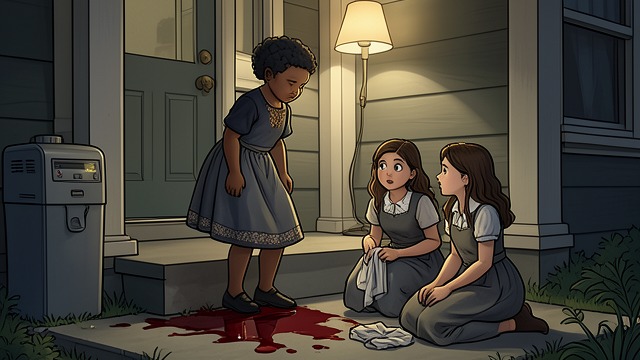
Childhood Meets Adult Consequence
A frightening discovery
Pecola begins menstruating on the porch steps. She believes she may be dying, while Claudia and Frieda try to interpret what is happening with the limited knowledge they have received from adults.
Care mixed with misunderstanding
Frieda takes charge, finds cloth, and helps Pecola clean up. Their mother initially mistakes the girls’ actions for sexual play and reaches for a switch, then understands the situation and comforts them.
The scene briefly supplies the attention and practical care Pecola needs. Yet its confusion also reveals how little reliable instruction the girls receive about their bodies, leaving them to face adult realities without language or preparation.
A Public Story of Pregnancy
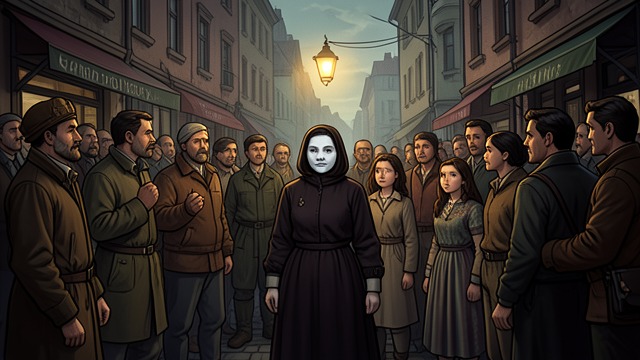
The Community Judges the Child
News spreads without her voice
Claudia and Frieda piece together overheard conversations and learn that Pecola is pregnant by her father. Neighbors discuss what happened, whether the baby will survive, and whether Pecola herself should be blamed.
Sympathy fails to arrive
The girls listen for someone to call Pecola or the unborn child deserving of pity, but hear disgust, speculation, and cruel predictions instead. The adults treat the tragedy as gossip and an occasion to judge a family already marked as different.
The community’s reaction turns private violence into public shame. Its refusal to center Pecola’s welfare deepens her isolation and shows how collective condemnation can protect the speakers from confronting their own failure to intervene.
Cholly’s Sexual Assault
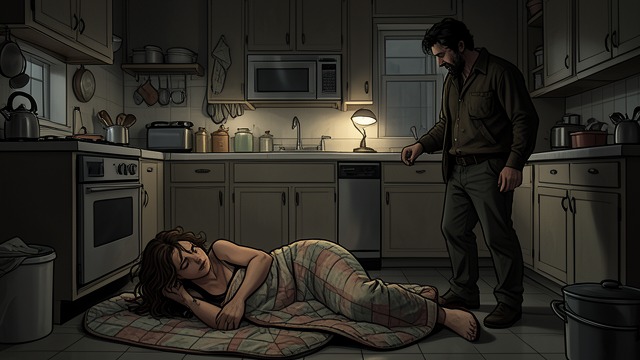
The Father Becomes the Threat
A moment that turns
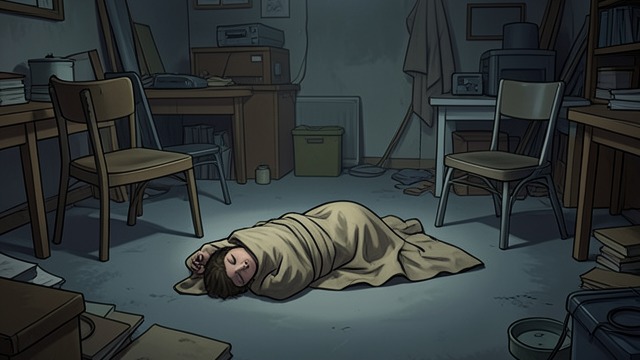
Cholly comes home drunk and sees Pecola washing dishes. A small gesture recalls his first meeting with Pauline; tenderness and memory give way to desire, and he sexually assaults his daughter in the kitchen.
Violence concealed as confusion
Pecola is left unconscious on the floor. Cholly covers her with a quilt, but this gesture does not undo the assault or provide meaningful care. When she regains consciousness, she tries to connect her bodily pain with her mother’s face.
The attack destroys the distinction between the person who should protect Pecola and the person who harms her. Cholly’s confused feelings do not reduce the violence; they make the betrayal more complete because the child is left without a safe interpretation of what has happened.
The Baby’s Loss
The Consequence Goes Unmourned
A pregnancy under judgment
Pecola’s pregnancy becomes the subject of neighborhood speculation, but she receives little public protection. People debate whether she is to blame and treat the baby’s possible death as unsurprising rather than as a reason to offer care.
A premature ending
Pecola’s baby is born too early and dies. The loss confirms the girls’ fear that the adults’ predictions and indifference have shaped the conditions around the pregnancy, while the community’s attention remains largely judgmental.
The baby’s death closes neither Pecola’s trauma nor the community’s responsibility. It marks the point at which a chain of assault, neglect, and social rejection produces an irreversible loss that the people around her have already learned to regard as inevitable.
After Cholly burns the family’s home
A Saturday afternoon during Pecola’s stay with the MacTeers
During the summer seed-selling season of 1941
A spring Saturday during Pecola’s eleventh year
Later in the summer of 1941
