domestic violence in the Breedlove household
The Bluest EyeDomestic violence in the Breedlove household is both a recurring physical conflict and an organizing force in family life. After Cholly comes home drunk, Pecola anticipates that a fight postponed from the night before will erupt in the morning; the scene shows Mrs. Breedlove confronting him, intervening, and returning to an ordinary household demand. The children’s responses reveal how differently they have learned to live inside the same cycle.
A routine organized around conflict
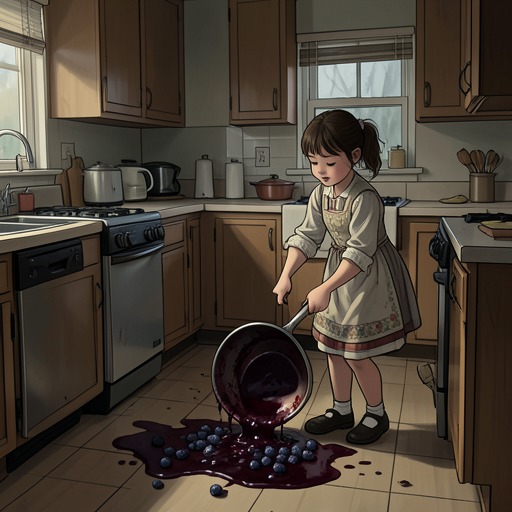
The account begins inside Pecola’s anticipation. Her awareness of Mrs. Breedlove’s movements, informed by earlier experience, makes her tighten her stomach muscles and ration her breath. Cholly has come home drunk, but he was too intoxicated to quarrel. The expected conflict has therefore been deferred until morning, and Pecola imagines it as calculated and deadly rather than spontaneous. The threat is already shaping her body and expectations before the confrontation begins.
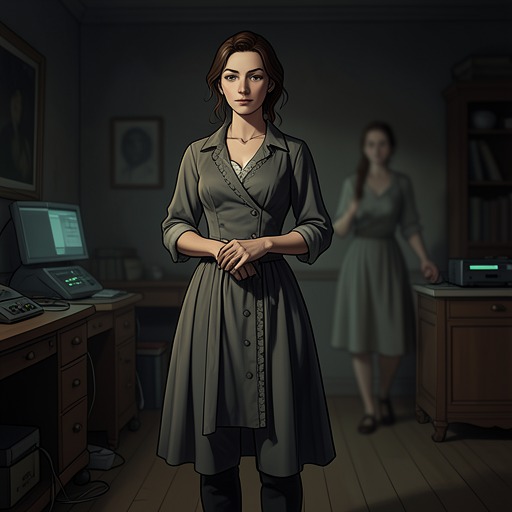
For Mrs. Breedlove, the quarrels have become a measure of otherwise undistinguished days: they identify, group, and classify them, giving substance to passing minutes and hours. The narration describes the fights as having a ceremonial close after Cholly’s routine drunkenness. This pattern does not make the violence harmless; it shows how repetition has turned it into a bleak form of order. The conflict supplies material through which the couple make their lives tolerable, even as it damages the people living around it.
Mrs. Breedlove also depends on the fights for the zest and reasonableness of life as she understands it. Cholly’s habitual drunkenness and orneriness provide the circumstances for that recurring drama. His own attempts to produce shocking excess have failed to astonish anyone but himself, and he has given them up. Their relationship is described as a darkly brutal formalism, paralleled only by their lovemaking; the account says they have tacitly agreed not to kill each other. The comparison makes the violence part of a repeated relationship pattern, not a single loss of control.
The morning confrontation
Mrs. Breedlove comes quickly into the room where Cholly lies and demands coal for the house. The immediate household need and the looming quarrel occupy the same scene: her request is practical, but Pecola understands the surrounding movements as signs that the delayed fight is about to happen. The clash between domestic routine and anticipated danger is central to the episode’s tension.
Pecola whispers for Mrs. Breedlove to stop. She calls her mother Mrs. Breedlove, as Sammy and Cholly do, rather than using a more intimate form of address. Her plea carries both fear that one parent will kill the other and a wish that she herself could die. Mrs. Breedlove does not stop. She brings cold water into the bedroom and throws it on Cholly, then the confrontation escalates; after he is knocked back into unconsciousness, she covers him with a quilt and lets him lie.
The scene ends without reconciliation. Mrs. Breedlove tells Sammy to stop shouting and directs him to get up, repeating that she needs coal. Pecola covers her head with the quilt and tries to breathe easily, but the sickness she had tried to ward off arrives despite her precautions. The return to the coal, the quilt, and Pecola’s bodily distress places an ordinary household task beside the aftermath of violence without suggesting that the danger has passed for good.
The children’s different responses
The narration distinguishes the children’s reactions rather than treating them as a single experience. Sammy curses, leaves the house, or throws himself into the fight; by fourteen, he is known for running away. His responses range from verbal protest to escape and direct intervention, each a different way of confronting the same repeated conflict.
Pecola instead pleads with Mrs. Breedlove and remains caught between wanting one parent to kill the other and wishing she could die herself. Her attempt to hold in her stomach and ration her breath shows that fear precedes the fight and persists after its immediate crisis. When she covers her head, the gesture offers only temporary shelter: the sickness she hoped to prevent comes anyway.
The contrast makes the household violence legible through its effects on each child. Sammy’s departures and attempts to enter the fray are outward responses; Pecola’s fear is described through anticipation, restraint, and a wish to disappear. The account does not present either response as a solution. The adults’ recurring conflict remains the condition to which both children must react.
Repetition and significance
The episode’s force comes from the way an anticipated fight, a practical demand, and its aftermath belong to one recurring domestic pattern. Mrs. Breedlove’s days take shape around quarrels; Cholly’s drunkenness supplies the occasion; and the children develop contrasting ways of enduring or confronting it. The apparent formality of the conflict can make it seem predictable, but for Pecola its expected return remains threatening.
By ending with Mrs. Breedlove’s repeated need for coal and Pecola’s inability to prevent her sickness, the scene refuses a clean separation between household routine and violence. The family resumes its practical concerns, but the consequences are not thereby undone. Domestic violence in the Breedlove household is shown as an ongoing structure of daily life: it orders the adults’ relationship, governs the children’s anticipation, and leaves fear present even when the immediate confrontation is over.