
Usefulness Against Ornament
The Book of Five RingsThis thread follows the book’s repeated distinction between effective craft and decorative display.
increasing Bearing strength in each event
 decreasing
Bearing strength in each eventdecreasingThe Flower and the Nut
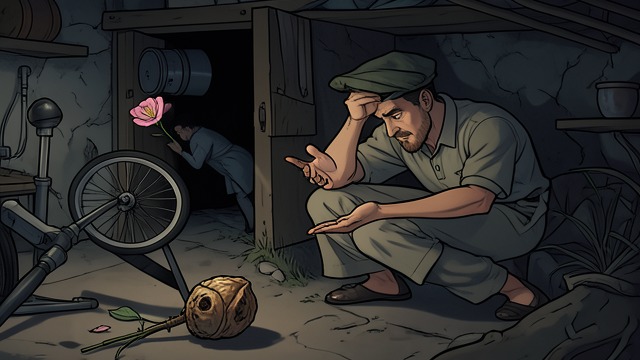
Appearance and Substance
The Nut Neglected
Musashi complains that some teachers and learners emphasize the flower of technique while neglecting its useful core. Display becomes more valued than nourishment.
A Critique of Incentives
The image connects instruction to the desire for profit and reputation. A Way can lose its purpose when appearance becomes its product.
Technique Without Purpose

The Limits of Dexterity
Narrow Training
Musashi criticizes practitioners who focus on small movements of the hands and feet or on the span of a practice weapon. Such details can obscure the larger contest.
A Wider Test
The true measure is whether a method serves survival and victory under actual conditions. Fine movement alone cannot answer that question.
Cutting Rather Than Touching
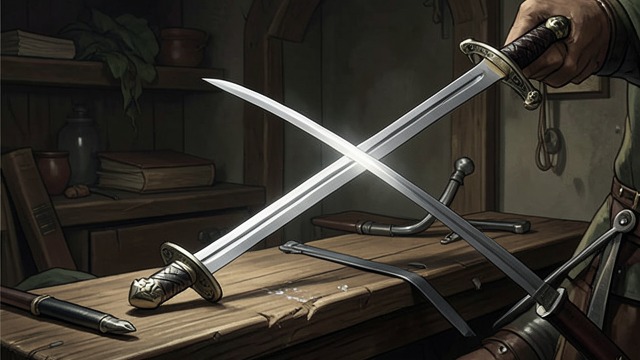
Decisive Purpose
Contact Is Not Completion
Musashi distinguishes a decisive cut from a slash that merely touches, even if the contact is forceful. The difference lies in intention and follow-through.
Substance in Action
A technique must carry its purpose through rather than settle for an impressive-looking touch. The distinction restates the book’s opposition between real effect and surface display.
No Decorative Speed

Rhythm Over Hurry
The Appearance of Speed
Musashi argues that speed may only be an impression created by rhythm. A skilled person need not look hurried, and a hurried novice can lose timing.
Effective Pace
The practitioner must fit movement to terrain, weapon, and opponent. A slower-looking action can be more useful if it remains in rhythm.
A Useful Way

The Standard of Use
Rejecting Waste
Musashi’s final principle in the list is to do nothing that is of no use. The command turns practicality into a test for habits, study, and action.
Beyond Mere Efficiency
Usefulness is not simply haste or immediate gain. It means directing practice toward a real understanding of the Way rather than toward empty display.
During the Ground Book’s critique of schools
During Musashi’s criticism of small techniques
During the Water Book’s distinction between cutting and slashing
During the Wind Book’s critique of speed
At the end of the nine Ground Book principles
