
From Pressure to Collapse
The Book of Five RingsThis thread follows how a strategist detects an opponent’s destabilization, prevents recovery, and turns a local advantage into a decisive outcome.
increasing Bearing strength in each event
 decreasing
Bearing strength in each eventdecreasingReading the Enemy’s State
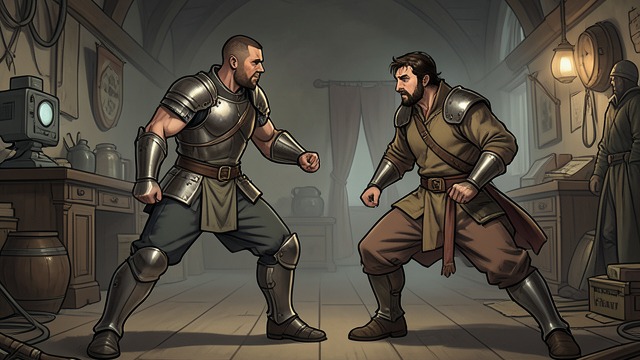
Detecting Change
Disposition and Rhythm
Musashi asks the strategist to recognize whether an enemy is flourishing or waning. Position and observable behavior reveal changes that can guide action.
A Moment to Exploit
The fighter must distinguish useful from unsuitable timing. This perception prepares the transition from observation to pressure.
Suppressing the First Move
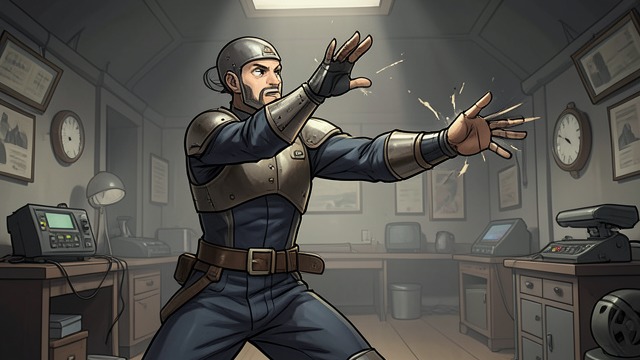
Holding Down a Pillow
Cutting Off the Attempt
Musashi urges the fighter to interrupt an attack while it is still forming: check the leap, thrust, or cut before it becomes effective.
Leading the Encounter
The purpose is not simply to defend. Preventing the enemy’s useful action lets the strategist determine what happens next.
Attacking During Reload
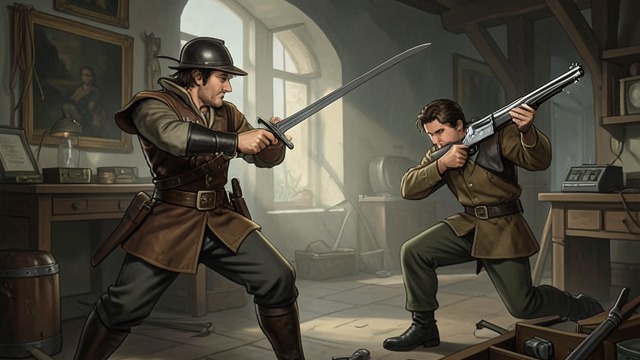
Treading Down the Sword
Exploiting the Interval
On a larger battlefield, Musashi advises attacking while an opponent is occupied with reloading a Gun or preparing a Bow. The pause creates a vulnerable opening.
No Second Attack
The principle extends to single combat: meet the beginning of an attack so the enemy cannot launch it again. Pressure must continue beyond the first contact.
Recognizing Collapse
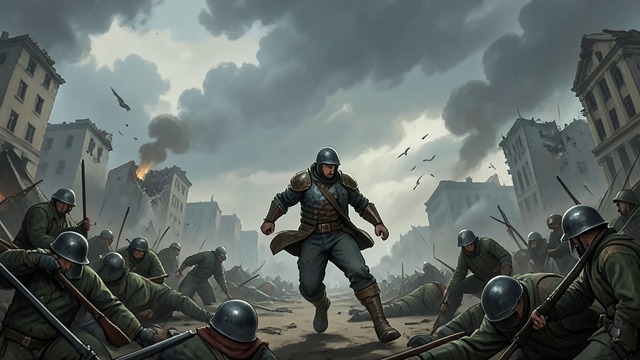
The Opening in Disorder
A Moment of Weakness
Musashi describes bodies, houses, and forces as collapsing when their rhythm becomes deranged. In single combat, the enemy may lose timing and attention.
The Need to Pursue
The strategist must not treat the opening as a temporary pause. If the enemy is left alone, composure may return and the advantage disappear.
Denying Recovery
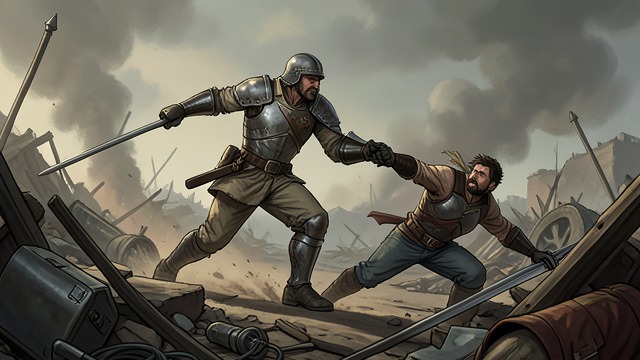
Completing the Advantage
Continuous Pressure
Musashi calls for a strong pursuit that prevents the enemy from regaining position. The goal is to finish the struggle rather than collect a superficial success.
Collapse as Resolution
This closing action completes the movement from reading disorder to decisive outcome. Strategic perception matters because it makes the final pressure timely.
As the Fire Book turns to timing
At the first sign of an enemy’s intention
When an opponent pauses to prepare a ranged weapon
When the enemy’s rhythm breaks
Immediately after an opponent falters
