
The Discipline of Timing
The Book of Five RingsThis thread follows timing from an abstract principle into the recognition of openings, rhythms, and changing circumstances.
increasing Bearing strength in each event
 decreasing
Bearing strength in each eventdecreasingTiming Everywhere

A Universal Measure
Rhythm in Many Activities
Musashi finds timing in music, dance, the military arts, riding, and daily life. The concept belongs to more than the instant of a sword strike.
Change and Fortune
He also connects timing to thriving, decline, harmony, and discord. Recognizing change is a central part of strategic understanding.
Useful and Unsuitable Moments
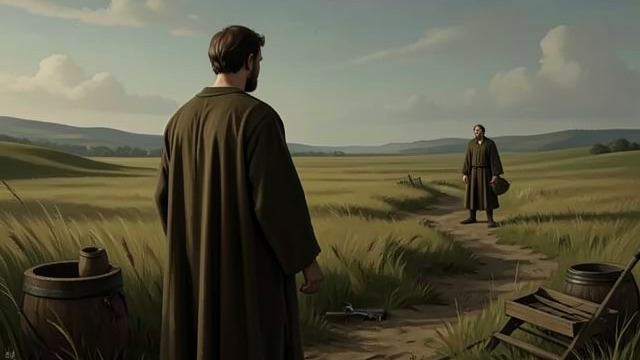
Discerning the Opening
Different Scales
The learner must recognize large and small, fast and slow, near and distant forms of timing. Not every apparent opening is useful.
Context Before Action
Timing depends on distance and background conditions. Strategic judgment begins by understanding the situation in which an action would occur.
The Enemy’s Unexpected Moment

Acting Outside Expectation
Reading the Other Side
Musashi links victory to knowing the enemy’s timing and using a moment the opponent does not expect. Attention becomes a way to shape initiative.
Trained Perception
This recognition requires sustained practice. Timing cannot be reduced to a universal speed because each encounter supplies its own rhythm.
One Timing
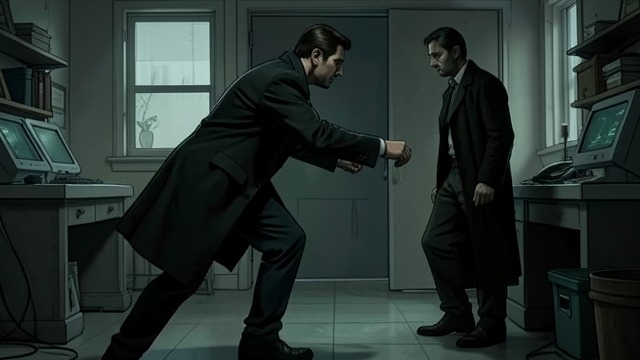
The Unsettled Instant
Direct Action
One Timing means striking as directly as possible while the enemy remains undecided. The action precedes the opponent’s choice to withdraw, break, or attack.
Immediacy Through Training
Musashi calls for practice that makes this instant available. What looks spontaneous rests on prior preparation and attentive reading.
Crossing at the Ford

Choosing the Crossing
Readiness and Conditions
Musashi’s sea-crossing image asks the traveler to know the route, vessel, and weather before setting out. Favorable conditions may support a direct passage, while a changed wind demands adjustment.
Strategic Commitment
The metaphor turns timing into a decision about where and when to commit. A good crossing depends on preparation and adaptation together.
During the Ground Book’s timing chapter
As the timing discussion turns to combat
When the opponent’s rhythm can be read
At close range, before the enemy decides
When favorable conditions align for a decisive move
