
Faith, Miracle, and Disappointment
The Brothers KaramazovThis flow traces how the characters distinguish faith from proof and how expectations of miracles are tested by ordinary events.
increasing Bearing strength in each event
 decreasing
Bearing strength in each eventdecreasingA Realist’s Faith
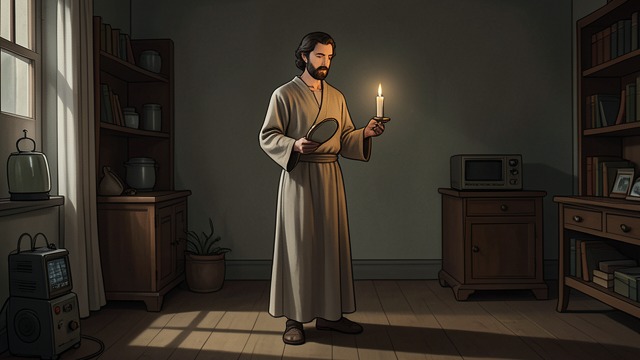
Belief before spectacle
Faith and realism
Alyosha does not regard miracles as the source of faith. He believes that a realist may accept the miraculous only after an inward commitment to belief.
A chosen path
His decision to enter the monastery follows his conviction about God and immortality. The contrast with Ivan shows that the same questions can lead one brother toward devotion and the other toward rebellion.
The Widow’s Returned Son
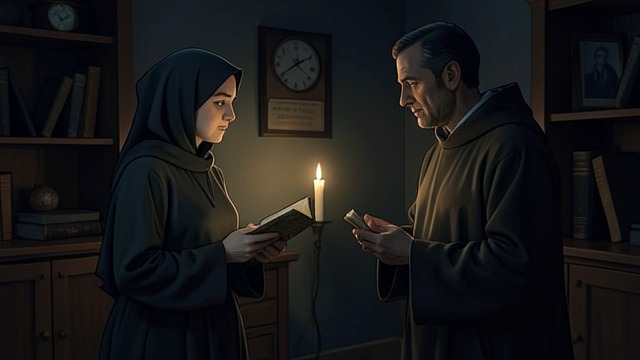
A prediction comes true
A mother’s worry
A widow asks whether she may pray for her missing son as though he were dead. Zossima tells her that this would be wrong and predicts that the son is alive and will return or write.
A natural coincidence
A letter arrives soon afterward, apparently fulfilling the prediction. The monastery treats the event as a miracle, while cautious observers acknowledge that coincidence remains possible.
The Body That Does Not Stay Pure
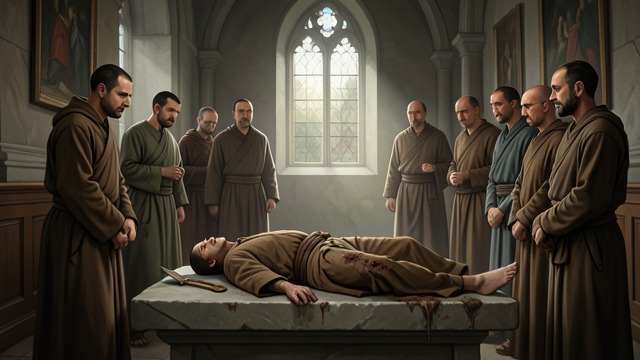
Faith meets ordinary decay
The hoped-for miracle fails
The early smell of decomposition contradicts expectations that Zossima’s body would be incorrupt. The monks disagree over whether the event is natural or a sign of divine judgment.
A deeper test
Alyosha’s crisis does not arise from a simple demand for spectacle but from the apparent humiliation of a beloved saint. His later renewal comes through compassion and prayer, not through proof that the body was miraculous.
Alyosha’s account of his vocation in Book I
the morning after Zossima comforts the pilgrim women
the day after Zossima’s death
